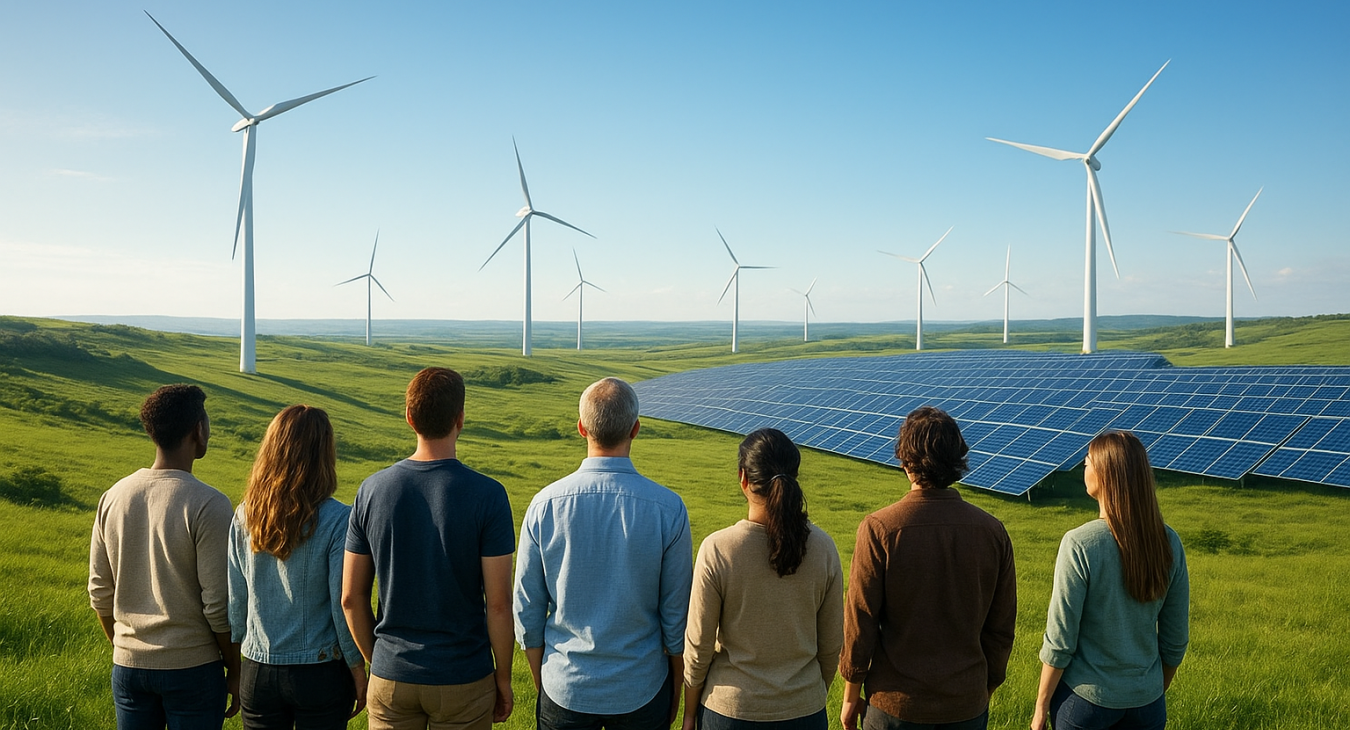
The Mandate for Net Zero Emissions
Achieving net zero emissions represents a global imperative to stabilize the climate by balancing the amount of greenhouse gases produced with the amount removed from the atmosphere. This process requires a rapid and profound transformation of global energy systems. To reach this target, the world must scale up innovative clean energy technologies that can address hard to abate sectors and tackle residual emissions. The transition involves moving away from carbon intensive fossil fuels toward low carbon or zero carbon alternatives. This systemic shift is not merely a technical challenge but a multidimensional endeavor involving economic, social, and political restructuring across every continent.
The Quadruple Challenge of Energy Transitions
Successfully navigating the transition to a sustainable future requires balancing four interdependent objectives. These are emissions reduction, energy affordability, system reliability, and industrial competitiveness. If any one of these pillars is neglected, the entire energy transition faces significant risks. For instance, prioritizing emissions reduction without considering affordability may make energy and materials more expensive, which can undermine economic empowerment for vulnerable populations. Conversely, focusing solely on low costs without addressing reliability could lead to grid instability. A holistic approach is required to ensure that the movement toward decarbonization does not create new economic burdens.
Clean Technology as an Engine for Equity
Clean energy technologies hold significant potential for addressing social inequalities, particularly within urban disadvantaged communities. When implemented thoughtfully, these technologies align closely with both decarbonization goals and the specific needs of local communities. Current program assistance policies are increasingly designed to support this alignment, ensuring that the benefits of the green transition are distributed more equitably. By integrating clean tech into underserved areas, policymakers can promote both environmental sustainability and social justice, turning the energy transition into a tool for community empowerment rather than a source of economic strain.
Frameworks for Community Engagement and Data Collection
To bridge the gap between high level climate policy and local impact, researchers and policymakers are developing new frameworks to engage community based organizations. These frameworks allow for the collection of vital data that highlights the intersection of energy affordability and clean tech deployment. By understanding how low income households interact with renewable energy systems, smart meters, and energy efficiency programs, stakeholders can design more effective interventions. This data driven approach is essential for creating inclusive net zero pathways that account for the socio economic realities of diverse populations.
Smart Cities and Digital Transformation
Urban energy transitions are increasingly centered around the concept of smart cities. In these environments, the focus is on sustainability, improved air quality, and significant economic benefits. The key objectives for smart city energy pathways include achieving net zero energy status and improving overall city efficiency and resilience through digital transformation. By leveraging digital technologies, cities can better manage the intermittent nature of renewable energy sources, optimize energy consumption patterns, and reduce greenhouse gas emissions through more intelligent grid management and distributed energy resources (DERs).
Technological Innovations in Decarbonization
The technical path to net zero involves a wide array of scientific advancements and engineering innovations. Beyond traditional solar photovoltaic (PV) and wind energy, the focus is shifting toward addressing residual emissions in sectors like heavy industry and long distance transport. This includes the development of green hydrogen, carbon capture and storage (CCS), and advanced battery chemistries for long duration energy storage. These technologies are essential for maintaining grid reliability as the share of variable renewable energy (VRE) increases. The success of these technologies depends on their ability to scale economically while maintaining high levels of performance.
Economic Implications of the Green Transition
As the global economy shifts toward low carbon technologies, the cost structures of energy and raw materials are undergoing significant changes. Maintaining industrial competitiveness is a major concern for nations as they transition their manufacturing bases to support clean energy production. While the initial capital expenditure (CAPEX) for new clean tech infrastructure can be high, the long term operational expenditure (OPEX) of renewables is typically much lower than that of fossil fuel plants. The challenge lies in managing this transition period to ensure that the movement toward net zero does not lead to energy poverty or a loss of industrial leadership in the global market.
Synthesizing Affordability and Sustainability
Ultimately, the intersection of energy affordability and clean tech is the most critical junction for achieving net zero goals. A transition that is not affordable will lack the political and social legitimacy required for long term success. Therefore, the integration of social equity into the technical deployment of clean energy is not optional but necessary. By combining innovative technology with inclusive economic policies, the global community can build an energy system that is not only carbon neutral but also resilient, reliable, and accessible to all segments of society.