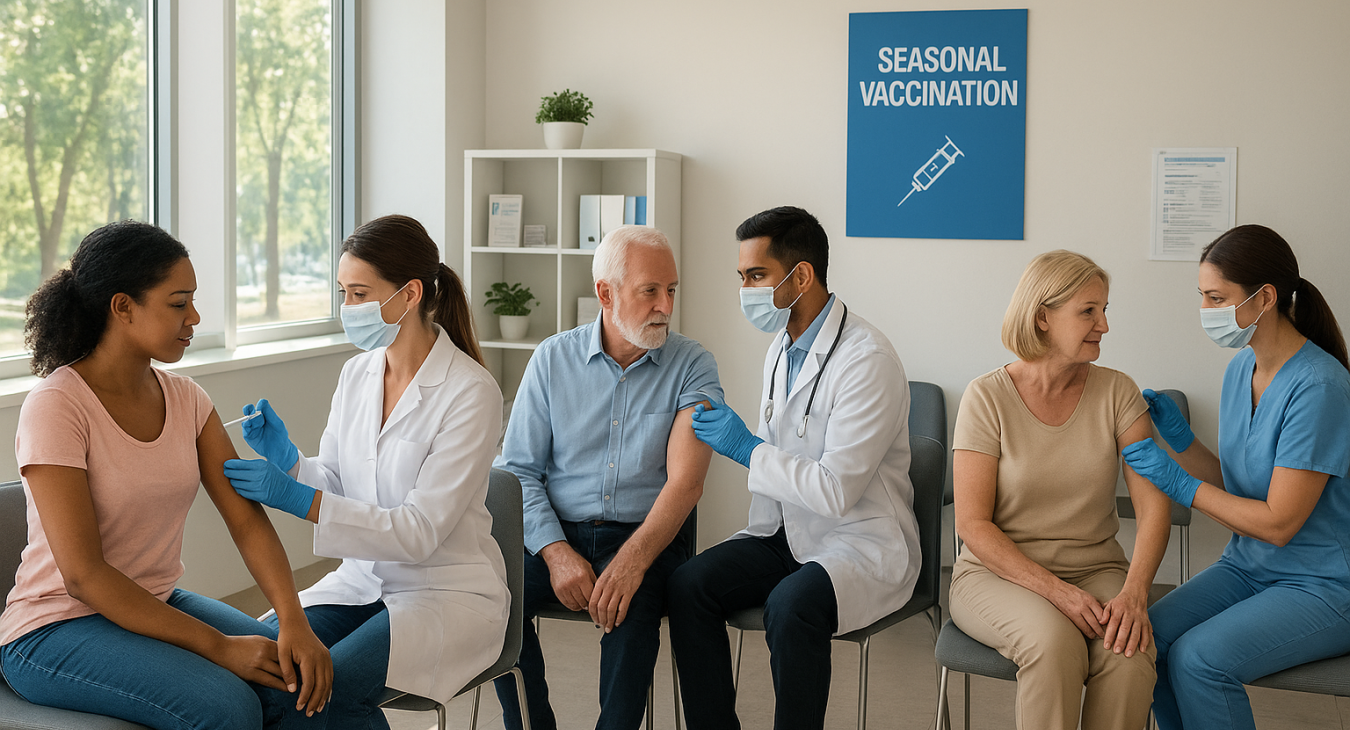
Vaccination is one of the most significant public health achievements in human history. It has saved millions of lives by preventing diseases such as polio, measles, tetanus, influenza, and hepatitis B. The global community recognizes vaccines as a cornerstone of modern medicine that protects individuals and communities from infectious diseases.
The Global Impact of Vaccination
Vaccines have played a critical role in reducing the burden of vaccine preventable diseases worldwide. By providing immunity against these illnesses, vaccination programs have significantly decreased morbidity and mortality rates across different countries and regions. The World Health Organization Immunization Data portal provides comprehensive summaries of global, regional, and country reports on vaccine preventable disease coverage and program indicators.
The Importance of Access to Vaccines
Improving access to vaccines is essential for achieving the goal of a world without vaccine preventable diseases. This requires strengthening health systems and developing new vaccines to meet evolving public health needs. Vaccination programs must be accessible to everyone, regardless of their location or socioeconomic status.
Life Course Immunization
A life course approach to immunization ensures that vaccination schedules and access respond to an individual's life stage, lifestyle, and specific needs. This means that vaccines are provided at the appropriate times throughout a person's life to maximize their effectiveness and protect them from diseases relevant to their age group.
The Role of Data in Vaccination Programs
Data is crucial for monitoring and evaluating vaccination programs. The WHO Immunization Data portal provides valuable information on vaccine preventable disease reports, vaccination coverage, program indicators, vaccine introductions, and schedules. This data helps public health officials identify gaps in immunization coverage and develop strategies to improve access and effectiveness.
The Future of Vaccination
Vaccination will continue to be a key tool in public health as new vaccines are developed and existing ones are improved. The goal is for everyone worldwide to live without vaccine preventable diseases, which requires ongoing efforts to increase vaccination coverage and improve access to vaccines.