
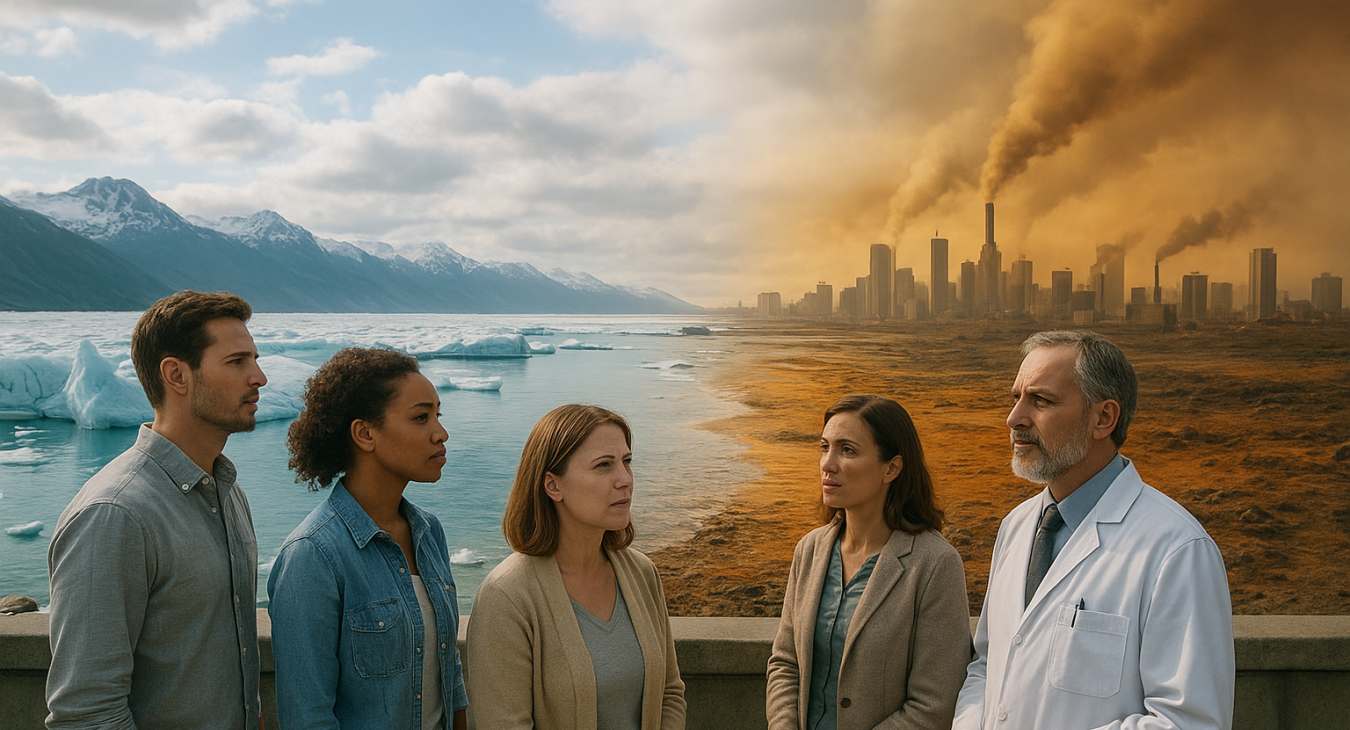
The phrase "It's just a natural cycle" has become one of the most common arguments used to dismiss the reality of modern climate change. While it is true that Earth's climate has undergone significant shifts over millions of years, this argument ignores the critical context of current trends. The rapid warming we are witnessing today is not part of any known historical pattern and is occurring at a speed that far exceeds natural fluctuations.
The Speed of Change Matters
One of the most significant differences between modern global warming and past climate shifts is the rate of change. During previous periods such as the Ice Ages, temperature changes occurred over thousands or even millions of years. This slow progression allowed ecosystems to adapt and species to migrate. In contrast, current temperatures are rising at a pace that is unprecedented in human history. The rapid increase in greenhouse gas concentrations from burning fossil fuels has created a warming effect that is happening much faster than any natural cycle could account for.
Human Activity as the Primary Driver
Scientific evidence points clearly to human activities as the primary driver of current climate change. The combustion of coal, oil, and gas releases massive amounts of carbon dioxide into the atmosphere. This process traps heat and leads to a rise in global temperatures. While natural factors like solar activity and volcanic eruptions do influence the climate, their impact is minimal compared to the effect of human emissions. Understanding this distinction is vital for addressing the root causes of our current situation.
The Role of Greenhouse Gases
Greenhouse gases such as carbon dioxide and methane play a crucial role in regulating Earth's temperature. These gases trap heat from the sun, preventing it from escaping back into space. Human activities have significantly increased the concentration of these gases in the atmosphere over the last century. This increase is directly linked to the rise in global temperatures and has led to more frequent and severe weather events like droughts, floods, and wildfires.
The Impact on Ecosystems
Climate change poses a significant threat to ecosystems worldwide. Rising temperatures lead to habitat loss for many species and disrupt the migration patterns of animals. The ocean's warming also affects marine life, leading to coral bleaching and the loss of biodiversity in our oceans. These changes have far-reaching consequences for human societies as well, impacting food security and water availability.
The Importance of Action
Addressing climate change requires a concerted effort from governments, industries, and individuals alike. Transitioning to renewable energy sources like solar and wind can help reduce greenhouse gas emissions and mitigate the effects of global warming. Implementing sustainable practices in agriculture and transportation also plays a key role in creating a more resilient future for our planet.
The Need for Education
Public awareness and education are essential for effective action on climate change. By understanding the science behind current trends, we can make informed decisions about how to address these challenges. It is important to communicate clearly and accurately about the risks associated with global warming so that everyone can participate in solutions.
The Role of Science
Scientific research provides a wealth of information on climate change, including data on temperature trends, greenhouse gas concentrations, and their impact on ecosystems. By studying these patterns, we can better understand the causes and consequences of our current situation. Scientists continue to work on developing new technologies and strategies for mitigating the effects of global warming.
The Importance of Collaboration
Solving climate change requires international cooperation and collaboration between countries. By working together, we can share knowledge and resources to develop effective solutions and mitigate the impacts of global warming. This collective effort is necessary for a sustainable future where both humans and nature can thrive.
The Role of Policy
Policy decisions made by governments and international organizations have a significant impact on climate change mitigation efforts. By implementing policies that promote renewable energy, reduce greenhouse gas emissions, and support sustainable practices, we can make progress toward a more resilient future for our planet.
The Role of Individual Action
Individual actions also play a role in addressing climate change. By making conscious choices about reducing carbon footprints, supporting sustainable products, and participating in community initiatives, individuals can contribute to the overall effort to mitigate global warming.
Conclusion
The phrase "It's just a natural cycle" is misleading because it ignores the rapid rate of change and the human activities that are driving current climate trends. By understanding the science behind these changes, we can make informed decisions about how to address these challenges and create a more resilient future for our planet.



