
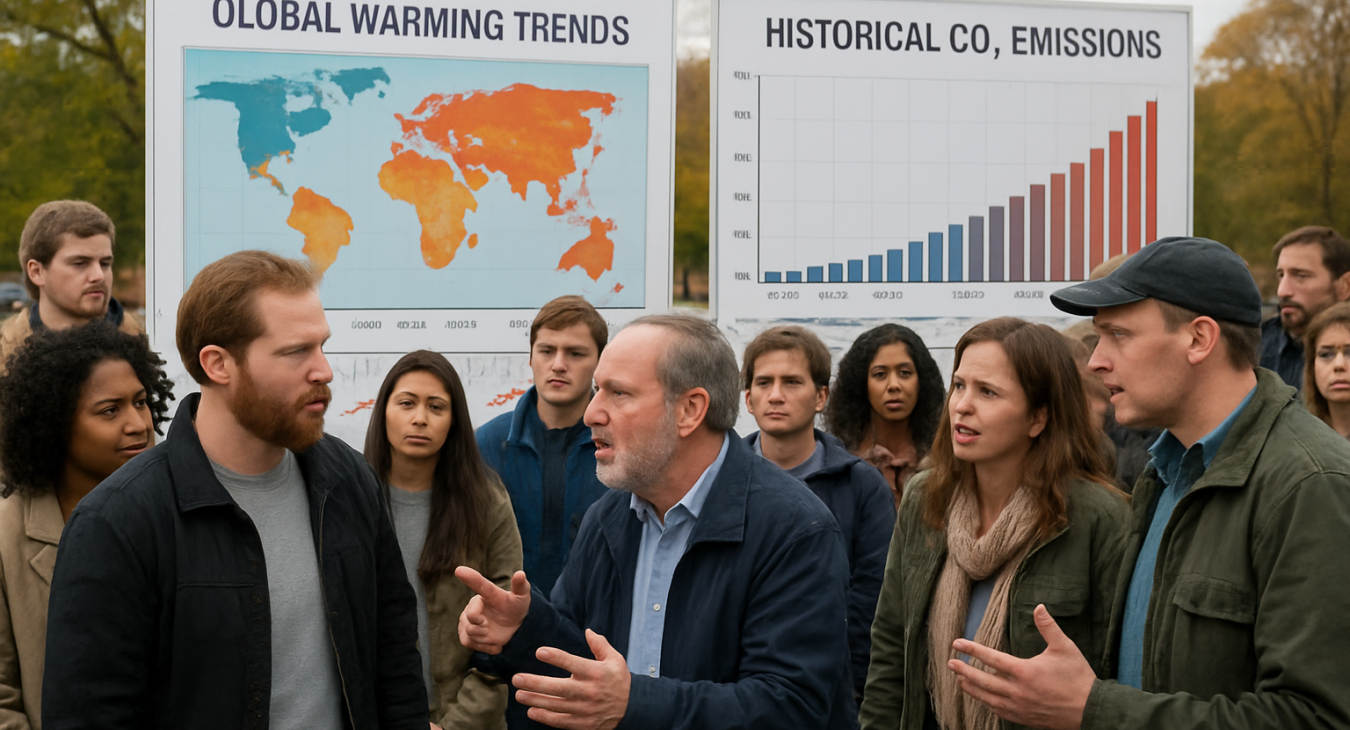
Despite the overwhelming scientific consensus that human activities are driving climate change, a significant number of people still hold onto misconceptions about global warming. These myths persist due to political agendas, economic interests, and misinformation campaigns designed to sow doubt. In 2026, understanding these common fallacies is essential for fostering an informed public discourse on environmental action.
Myth 1: The Earth has always gone through natural cycles of warming and cooling
One of the most frequent arguments used by climate change deniers is that current global warming is merely a natural cycle. While it is true that the planet has experienced periods of warming and cooling over millions of years, these changes occurred at much slower rates than what we are seeing today. The rapid increase in temperature since the Industrial Revolution is unprecedented in human history and cannot be explained by solar activity or volcanic eruptions alone.
Myth 2: Carbon dioxide is a natural gas that benefits plants
Another common myth is that carbon dioxide is harmless because it is necessary for plant growth. While CO2 does support photosynthesis, the concentration of this gas in our atmosphere has reached levels not seen in millions of years. The excessive amount of greenhouse gases traps heat and leads to extreme weather events, rising sea levels, and ocean acidification. The benefits of increased CO2 are far outweighed by the negative impacts on human health and ecosystems.
Myth 3: Scientists do not agree on the causes of climate change
The idea that there is no scientific consensus on climate change is a persistent myth. In reality, over 97 percent of actively publishing climate scientists agree that human activity is the primary driver of global warming. This consensus is supported by extensive research from organizations like NASA and the National Oceanic and Atmospheric Administration (NOAA). The remaining small percentage of dissenters often have conflicts of interest or lack sufficient evidence to support their claims.
Myth 4: Renewable energy sources are not reliable enough for human use
Many people still believe that renewable energy sources like wind and solar power are unreliable. While these technologies were once limited, significant advancements in battery storage and smart grid management have made them increasingly viable. In many parts of the world, renewable energy is now a primary source of electricity production. The cost of installing and maintaining these systems has also decreased significantly over the last decade.
Myth 5: Climate change will not affect human society for decades
The final myth is that climate change is too far away to be a concern today. While some impacts may take time to manifest, others are already occurring and affecting millions of people around the world. Severe droughts, wildfires, and floods have become more frequent and intense in recent years. These events directly impact food security, water availability, and public health. Taking action now is critical to mitigate the most severe consequences for future generations.



