
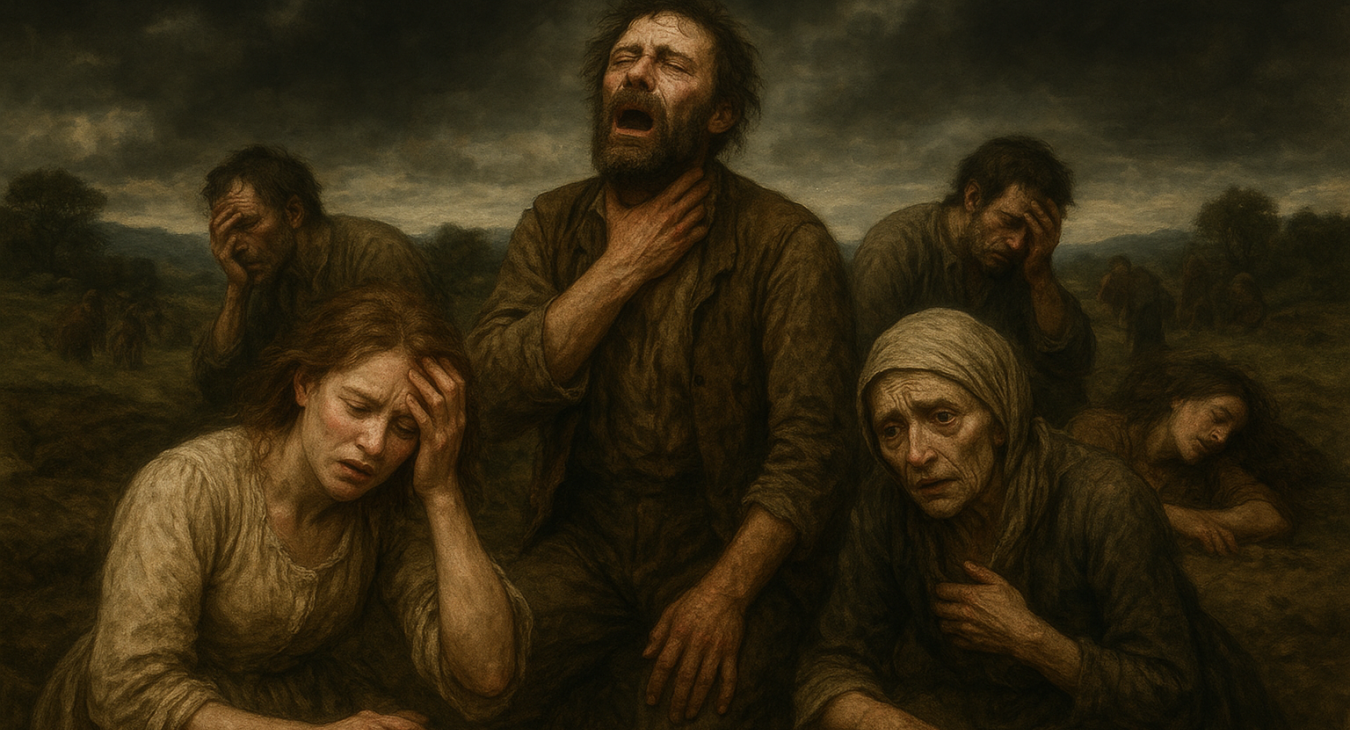
For decades, humanity struggled against infections caused by common bacteria. Before the advent of antibiotics, even minor wounds could lead to life-threatening complications. The story of penicillin changed everything because it provided a way to kill pathogens without harming human cells. This revolution began with a simple observation in a laboratory setting.
The discovery happened in 1928 when Alexander Fleming returned to his laboratory at St. Mary's Hospital in London. He noticed that one of his Petri dishes had been contaminated by mold, specifically Penicillium notatum. This mold had killed the surrounding bacteria, creating a clear zone where no growth occurred. Fleming realized that this substance produced by the mold was capable of inhibiting bacterial growth.
While Fleming identified the initial properties of penicillin, he could not isolate it in pure form for medical use. The task fell to other scientists who developed methods to extract and purify the compound. This process allowed for the production of large quantities of medicine that could be used on a massive scale during World War II.
Mary Hunt played a crucial role in this development by providing the mold necessary for Fleming to create penicillin. Her contribution helped ensure that the correct strain was available for further research and testing. This collaboration between different scientists paved the way for modern medicine as we know it today.
Penicillin is now one of the most widely used antibiotics in history. It has saved countless lives by treating infections such as pneumonia, syphilis, and streptococcal meningitis. The discovery remains a landmark achievement in medical science because it demonstrated how natural organisms could be harnessed to fight disease.



