
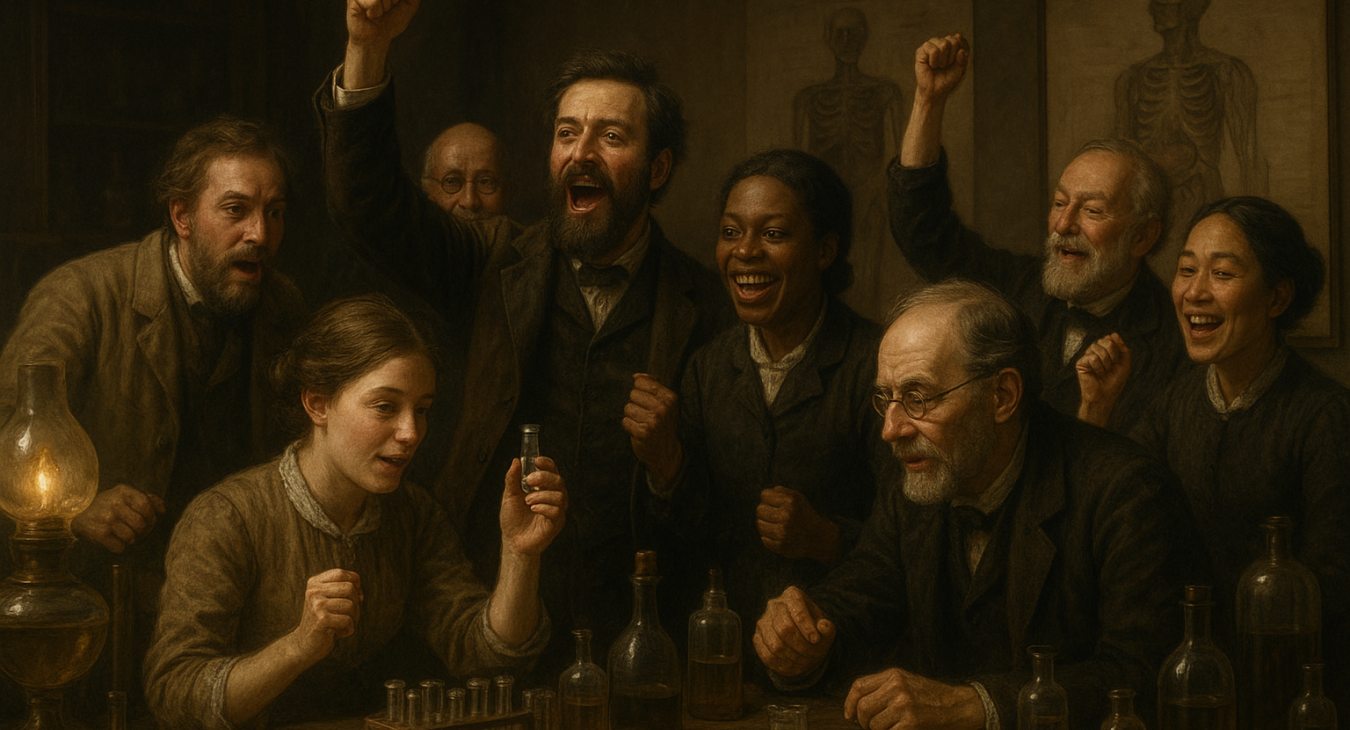
The history of medicine is filled with stories of incredible breakthroughs that changed human lives forever. One such story is the discovery of penicillin, a miracle drug that revolutionized how we treat bacterial infections. However, many people still hold misconceptions about antibiotics and their role in modern healthcare. Understanding these myths can help us make better decisions about our health and ensure that these life saving medications remain effective for future generations.
The Ancient Roots of Antibiotics
Long before the discovery of penicillin, ancient civilizations used moldy bread to treat wounds. This practice was rooted in a natural understanding of how certain molds could inhibit bacterial growth. While they did not understand the underlying science, their observations were correct and provided an early form of antibiotic treatment.
The Discovery of Penicillin
Alexander Fleming discovered penicillin after observing that mold had inhibited the growth of bacteria in a petri dish. This discovery led to the development of one of the first true antibiotics, which became widely available during World War II and saved countless lives. The story of how penicillin was mass produced is also fascinating, with Hare rediscovering it by the end of the fifth day.
Debunking Common Myths
There are many myths about antibiotics that can lead to confusion and incorrect treatment. One common myth is that antibiotics cure all infections, but they only work against bacteria and not viruses like the flu or a cold. Another misconception is that taking antibiotics for viral infections does not help and can even contribute to antibiotic resistance.
The Importance of Proper Use
Using antibiotics correctly is essential for maintaining their effectiveness. This includes finishing the entire course prescribed by a doctor and avoiding unnecessary use when possible. Misuse of antibiotics contributes to the development of resistant bacteria, which can make infections harder to treat.
When to Seek Medical Advice
It is important to know when to seek medical advice for an infection. If symptoms persist or worsen despite treatment, it is necessary to consult a healthcare professional. They can provide the correct diagnosis and determine if antibiotics are appropriate.
The Future of Antibiotics
Researchers continue to work on new antibiotics and treatments for resistant bacteria. This ongoing research is crucial for ensuring that we have effective medications available in the future. By understanding the facts about antibiotics, we can help protect these miracle drugs from becoming ineffective.



