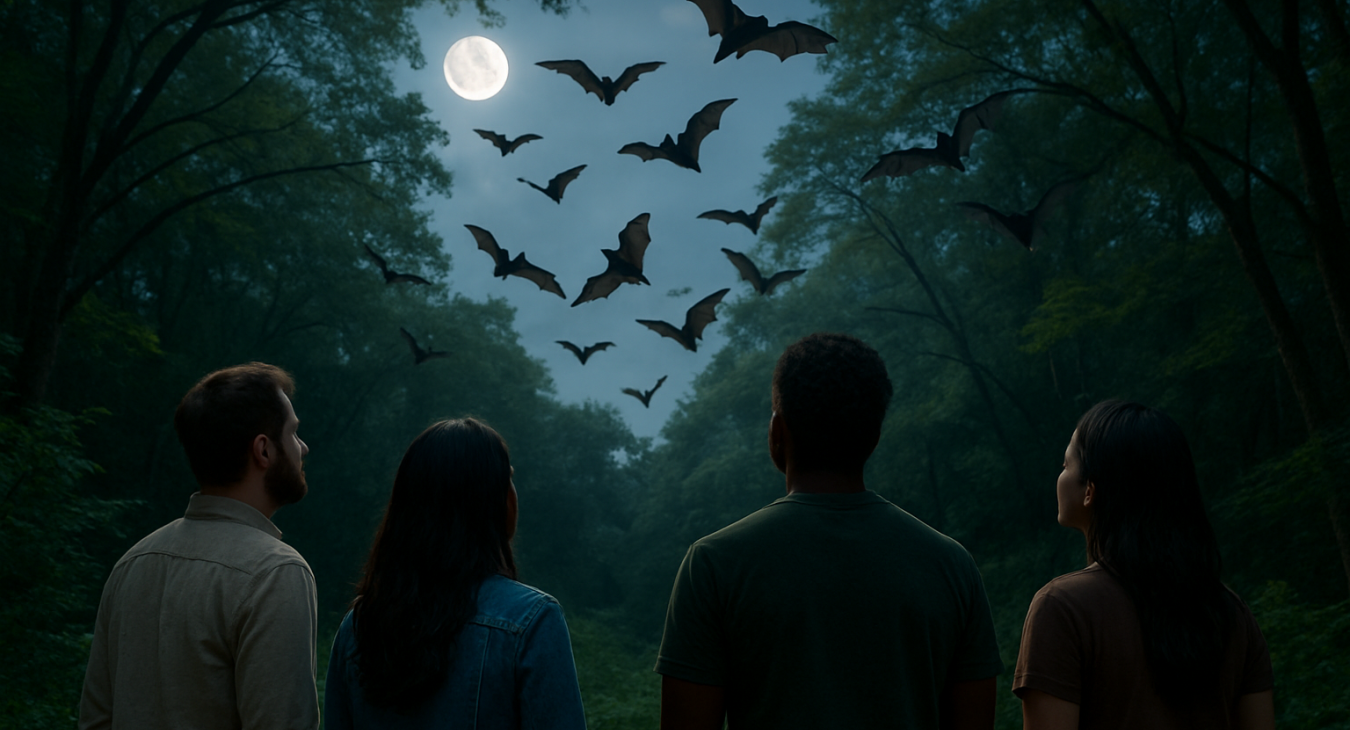
An Introduction to the World of Chiroptera
Bats, belonging to the order Chiroptera, are the only mammals capable of true powered flight. While they are often subject to negative stereotypes or misconceptions, these nocturnal creatures are indispensable components of the global ecosystem. Often referred to as night flyers or flying mammals, bats play a multifaceted role in maintaining the balance of nature. Despite their essential contributions, many species face threats from habitat loss and climate change, making conservation efforts more critical than ever before.
1. Natural Pest Control and Agricultural Support
One of the most significant economic and environmental contributions of bats is their role in insect population control. Using a biological sonar known as echolocation, bats can navigate and hunt in complete darkness. Many bat species are insectivores, meaning they consume large quantities of insects. By feeding on nocturnal pests, bats act as a form of natural pest control. This service is particularly vital for the agricultural sector. When bats thrive in an ecosystem, they help reduce the abundance of crop-destroying insects, which in turn can decrease the human reliance on chemical pesticides. This reduction in chemical usage promotes healthier soil and water systems.
2. Essential Pollination Services
Beyond their role as hunters, many bat species function as highly efficient pollinators. While bees are often the most recognized pollinators, bats provide a service that is equally vital for many plant species. Chiropterophilous plants, which are plants specifically adapted to be pollinated by bats, rely on these mammals for reproduction. Bats visit flowers to feed on nectar, and in the process, they transfer pollen from one plant to another. This process is essential for the survival of various tropical and subtropical forests, ensuring the genetic diversity and continued growth of diverse plant life across the globe.
3. Seed Dispersal and Forest Regeneration
Bats also serve as critical agents of seed dispersal, contributing heavily to the regeneration of forests and various plant habitats. Many fruit eating bats, or frugivorous bats, consume various types of fleshy fruits and later deposit the seeds in different locations through their droppings. This process helps plants spread to new territories, prevents overcrowding in a single area, and promotes the overall health of the forest canopy. Without the movement provided by these flying mammals, many plant species would struggle to colonize new environments, potentially leading to a decline in forest density and biodiversity.
4. Nutrient Cycling and Soil Health
The biological activities of bats contribute significantly to nutrient cycling within ecosystems. As bats forage, they consume large amounts of organic matter in the form of insects or fruits. Their excrement, commonly known as guano, is extremely rich in nitrogen and phosphorus. When this organic matter is deposited on the ground or in aquatic environments, it serves as a potent natural fertilizer. This influx of nutrients supports the growth of plants and the health of microorganisms in the soil, creating a feedback loop that sustains the entire food web. In some cave systems, guano even serves as the foundation of a complex, specialized ecosystem.
5. Supporting the Food Web as Prey
Bats occupy a crucial position in the trophic levels of various ecosystems. They are not only predators of insects but also serve as a vital food source for a wide variety of other animals. Many birds of prey, such as owls, and various mammalian predators rely on bats as a seasonal or consistent food source. By acting as a bridge between insect populations and higher level predators, bats help maintain the stability of the food web. Their presence ensures that energy is transferred efficiently through different levels of the biological hierarchy, supporting a higher diversity of life.
Conclusion: The Importance of Conservation
The diverse benefits provided by bats—ranging from pest control and pollination to seed dispersal, nutrient cycling, and supporting the food web—make them indispensable to the planet. Despite these contributions, many bat populations are declining due to human activities and environmental changes. Protecting these night flyers is not just an act of wildlife conservation, but an investment in the health of our ecosystems and the stability of our food systems. Understanding the scientific importance of Chiroptera is the first step toward ensuring these remarkable mammals continue to fly for generations to come.