The Often Misunderstood World of Chiroptera
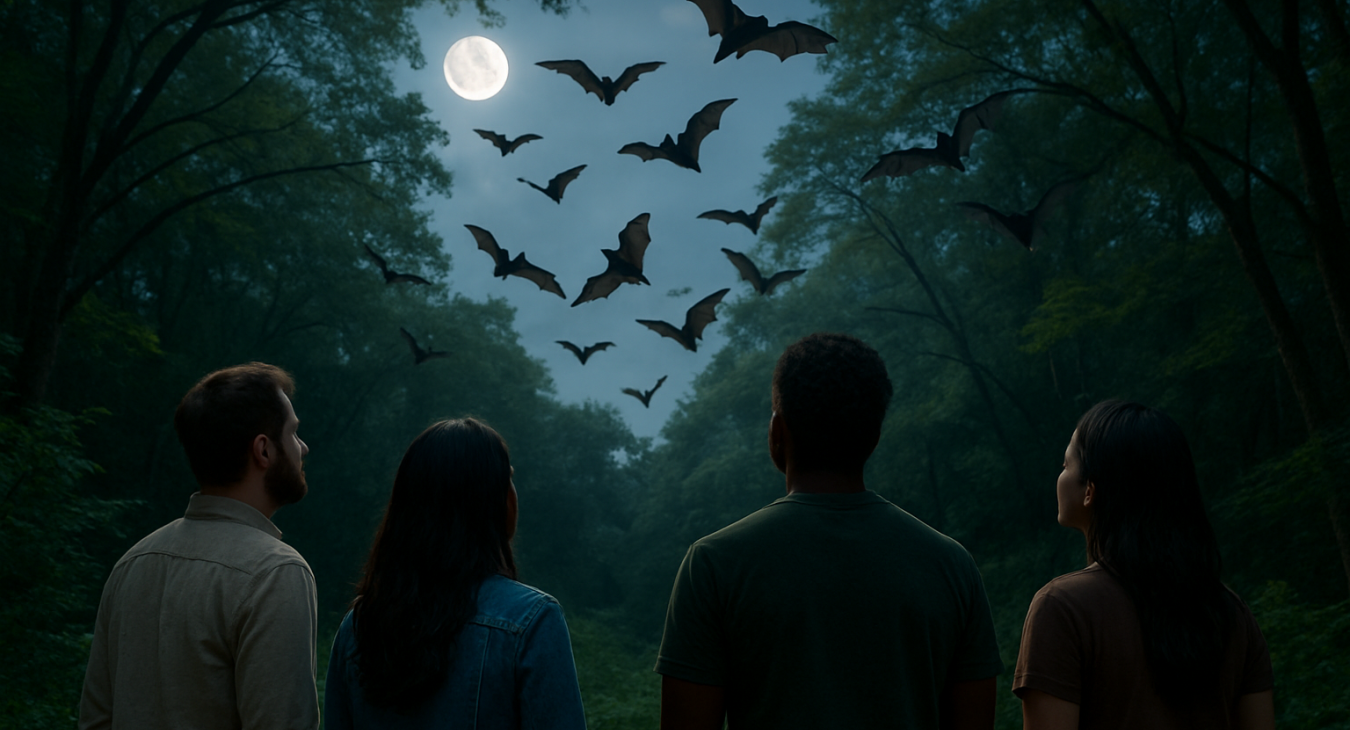
When most people think of bats, their immediate reactions may involve fear or discomfort. These nocturnal mammals, belonging to the order Chiroptera, have often been unfairly characterized as pests or even as harbingers of disease. However, modern biological science paints a far more beneficial picture. Bats are not just creatures of the night; they are essential engineers of our natural world. From small insectivores to specialized pollinators, these animals provide services that are vital to the survival of various plant and animal species across the globe.
The misconception that bats are inherently dangerous often stems from historical terminology and folklore that painted them as villains. In reality, most bat species are shy, reclusive animals that actively avoid human contact. When they enter human dwellings, it is usually due to habitat loss or a need for roosting sites rather than aggression. Understanding the actual ecological role of these mammals is the first step in shifting the public perception from one of extermination to one of conservation.
Natural Pest Control and Economic Stability
One of the most significant contributions of bats to human society is their role as natural pest control agents. Many species are highly specialized insectivores, meaning they feed almost exclusively on insects. During a single night, a single bat can consume thousands of insects, including mosquitoes, moths, and beetles. This relentless consumption helps maintain a balance in insect populations, preventing any one species from becoming an overwhelming plague.
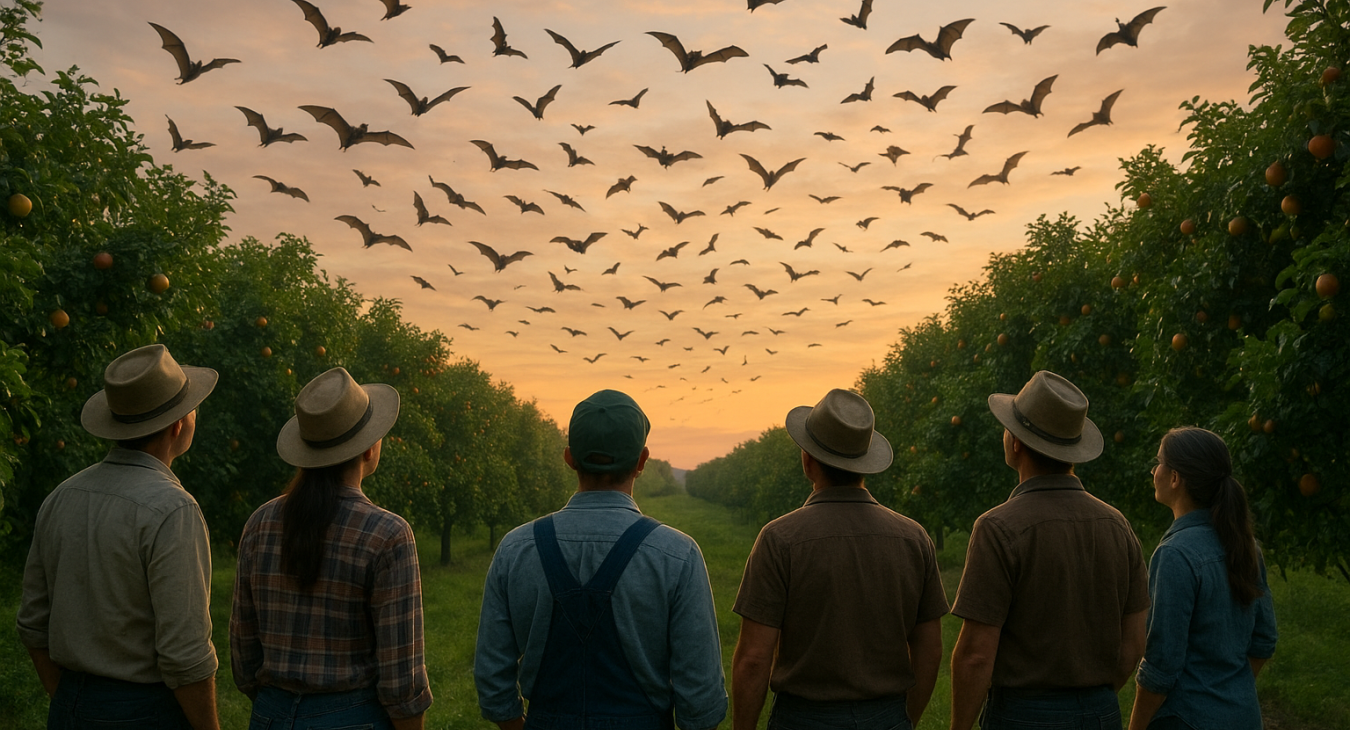
The economic impact of this biological service is staggering. In the United States alone, bats help save farmers billions of dollars annually in pest control costs. By consuming insects that would otherwise destroy crops, bats act as a free, natural, and non-toxic form of agriculture protection. When farmers rely on bats to manage pest populations, they can significantly reduce their dependence on chemical pesticides. This reduction in chemical use benefits the entire food chain and prevents toxic runoff from entering local water supplies.
The Silent Architects of Forest Regeneration
Beyond their role as insectivores, many bat species serve as critical agents of seed dispersal. This process is essential for forest regeneration and the maintenance of biodiversity. As bats feed on various fruits, they consume seeds and later deposit them in new locations through their droppings. This method of dispersal allows plants to colonize new areas, promoting genetic diversity and helping forests recover from disturbances such as fires or logging.
The movement of seeds by bats is often more efficient than wind or water dispersal in dense tropical environments. By spreading seeds across wide areas, bats ensure that plant communities remain resilient and varied. This movement supports the structural integrity of ecosystems, providing habitats and food sources for countless other species. Without this nocturnal gardener, many of the world's most diverse forests would struggle to maintain their current levels of biodiversity.
Pollination and the Support of Global Industries
While bees are often celebrated as the primary pollinators of the world, bats play an equally indispensable role in the pollination of various plant species. Many plants have evolved to bloom at night and produce large, pale flowers specifically to attract nectar-feeding bats. This specialized relationship, known as chiropterophily, is a cornerstone of several important ecosystems and agricultural products.
A prominent example of this ecological service is seen in the tequila industry. The agave plant, which is the primary ingredient in tequila, relies heavily on bats for pollination. Without the movement of these winged mammals between agave plants, the production of many traditional spirits would be threatened. This highlights how the survival of a specific animal can directly impact human industries and cultural traditions, linking ecological health to economic stability.
The Environmental Cost of Extermination
The practice of exterminating bats to clear homes or gardens may provide a temporary sense of relief, but it carries long-term ecological consequences. When local bat populations are decimated, the immediate result is often an explosion in insect populations. This can lead to increased crop damage, higher expenditures on chemical pesticides, and an increase in mosquito-borne illnesses. The removal of these apex insectivores disrupts the delicate equilibrium of the local environment.
Furthermore, widespread use of pesticides to combat the insects that bats would naturally eat creates a feedback loop that harms other wildlife. As these chemicals enter the soil and water, they impact pollinators, birds, and aquatic life. By choosing to coexist with bats rather than exterminating them, we support a holistic approach to environmental management that favors natural balance over chemical intervention.
Moving Toward Coexistence and Conservation
Protecting bat populations does not require radical lifestyle changes, but it does require a shift in perspective. One of the most effective ways to help is to preserve natural habitats and provide safe roosting sites. Reducing the use of pesticides in gardens and agricultural lands also creates a safer environment for both bats and the beneficial insects they help manage. For those who find bats in their homes, non-lethal exclusion methods and professional consultations are far more effective and ethical than extermination.
By recognizing bats as essential contributors to our food security, our forests, and our economic stability, we can move toward a future of coexistence. Protecting these remarkable mammals is not just about saving an animal; it is about safeguarding the complex web of life that supports all living things, including humans. Stopping the trend of extermination today is an investment in a healthier, more resilient planet for tomorrow.