Nature’s Secret Weapon for Slashing Insect Pests and Pesticides
The Unseen Architects of Ecological Balance
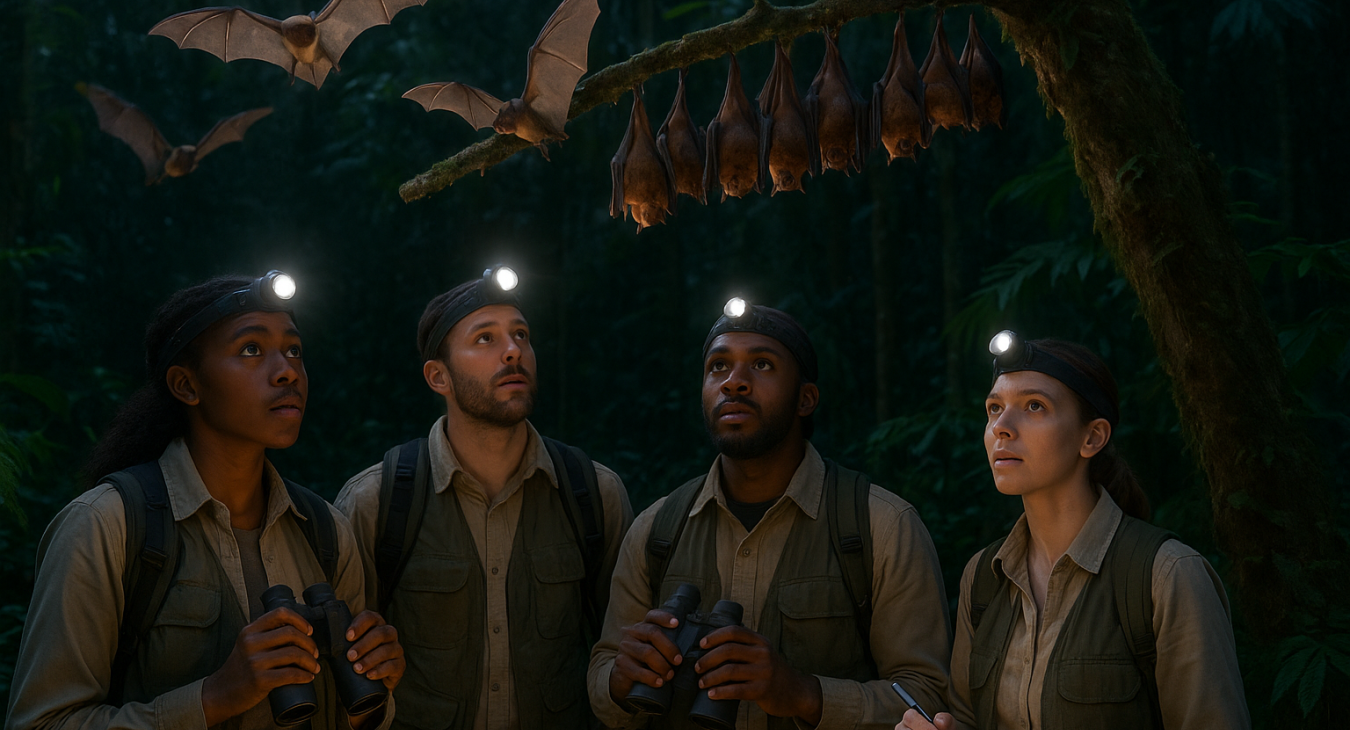
Bats belong to the order Chiroptera, a group of mammals characterized by their ability to fly using modified forelimbs. These nocturnal creatures are often misunderstood, frequently cast as villains in folklore or viewed merely as nuisances requiring immediate bat control. However, a closer scientific examination reveals them to be vital players in the maintenance of global ecosystems. By consuming vast quantities of insects, bats act as a biological force that regulates various populations, including moths, beetles, and mosquitoes. This natural predation serves as a fundamental pillar of ecological health, ensuring that no single insect species overwhelms the local environment.The Massive Economic Value of Insectivory
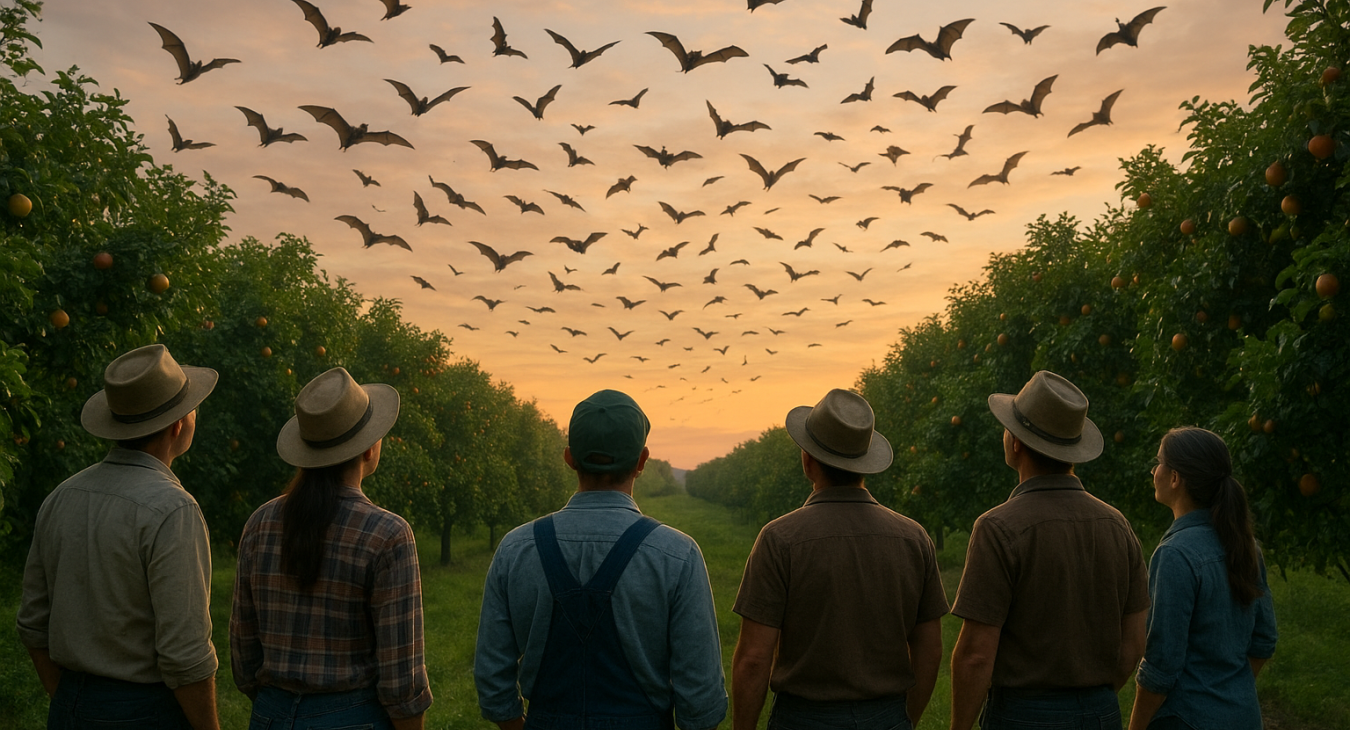
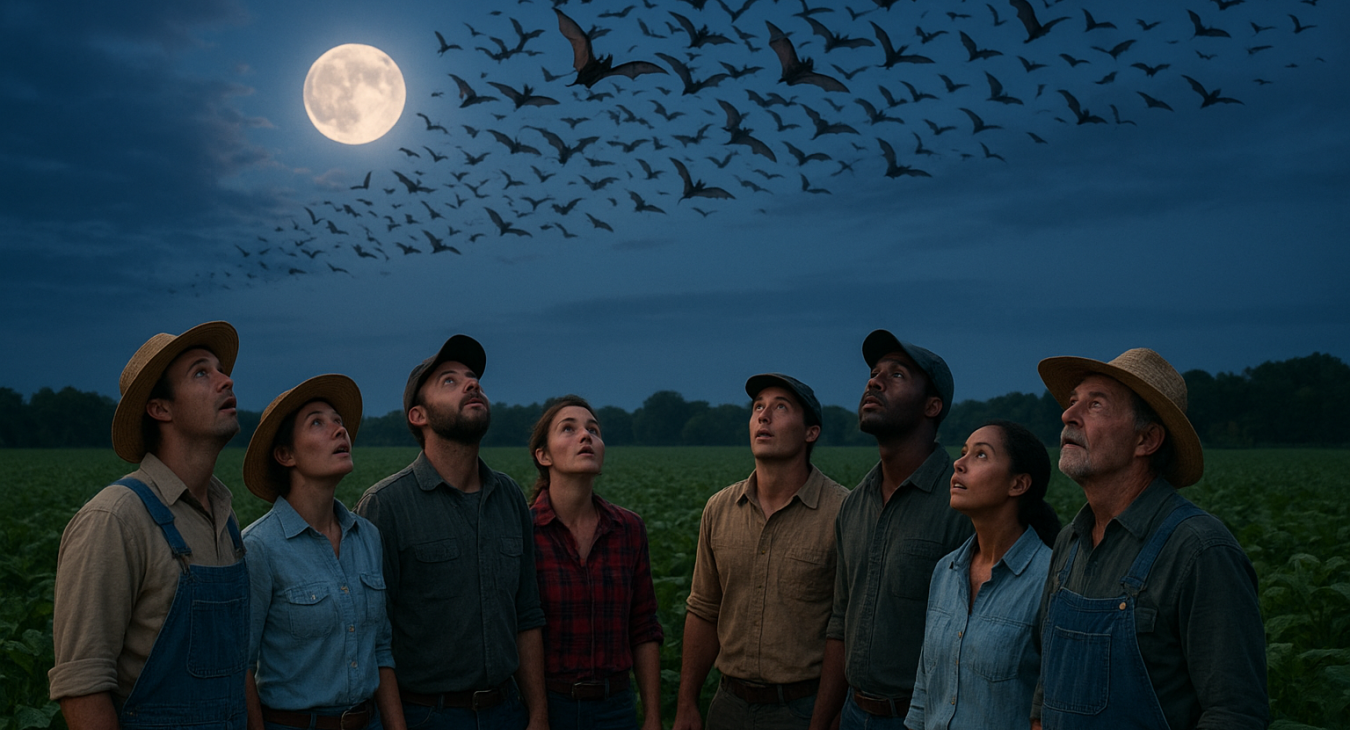
From a strictly financial perspective, the services provided by bats are staggering. In North America, many species are specialized insectivores. For instance, a single little brown bat (Myotis lucifugus) can consume up to 1,000 mosquito-sized insects in just one hour. When scaled up to an industrial level, the numbers become profound. Research conducted in south-central Texas cotton fields demonstrated that Mexican free-tailed bats (Tadarida brasiliensis) provide pest control services valued at approximately $741,000 per year. Expanding this scope to a national level, some estimates suggest the value of bat pest suppression services in the United States reaches roughly $23 billion annually. These figures highlight how bats act as a silent labor force, protecting harvests and bolstering food security.The Dilemma of Commodification
While the economic benefits are undeniable, the practice of valuing wildlife solely through its utility to human markets raises profound ethical questions. When we describe bats as 'ecosystem service providers,' we enter the realm of the commodification of nature. This framing views the animal through the lens of its economic output rather than its intrinsic right to exist. If we only value a species because it saves agribusiness billions of dollars, we risk a dangerous precedent where conservation efforts are only funded when they are profitable. This approach ignores the sovereign biological importance of bats, reducing complex living beings to mere tools for industrial productivity.Ecological Justice and the Inequality of Loss
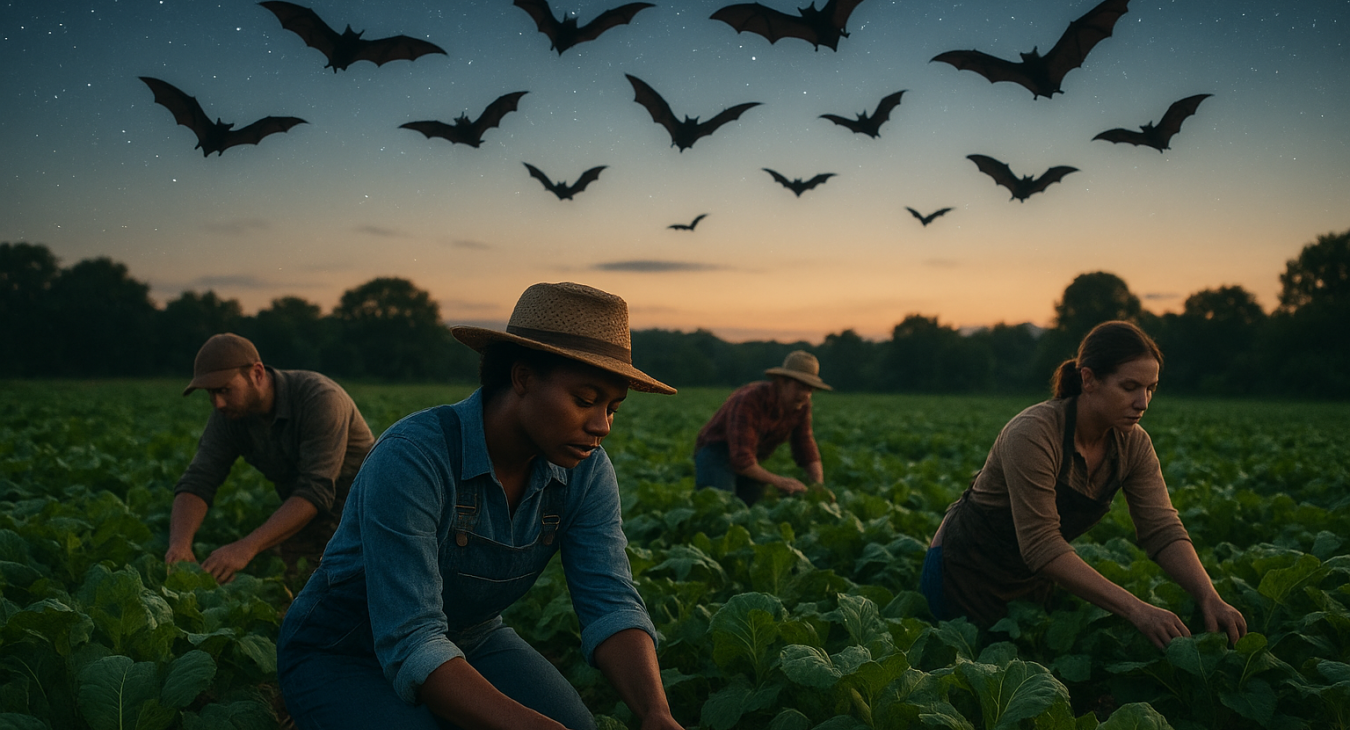
The decline of bat populations, driven by habitat loss and the devastating white-nose syndrome (a fungal disease affecting hibernating bats), does not affect all humans equally. This is a matter of ecological justice. Large-scale industrial agribusinesses often have the capital to absorb losses or invest in expensive chemical alternatives when natural pest control fails. In contrast, small-scale subsistence farmers in developing regions rely heavily on the natural cycles of the ecosystem to maintain their livelihoods. When bat populations crash, these vulnerable communities face increased crop failure and heightened exposure to insect-borne diseases. The loss of bats is not just a biological tragedy; it is a socio-political issue that disproportionately burdens those with the least resources.Techno-Optimism and the Risk of Systemic Avoidance
There is a growing trend of techno-optimism that seeks to solve agricultural problems through high-tech interventions or chemical dependency. In some ways, celebrating bats as a 'natural solution' can be used as a convenient excuse for industrial agriculture to avoid necessary systemic reforms. Instead of transitioning away from harmful monoculture farming practices that destroy habitat, some industries may choose to rely on the 'free' service of wildlife to mitigate the damage caused by intensive farming. Relying on bats to fix the problems created by human-dominated landscapes may prevent the more difficult, necessary work of restoring true biodiversity and creating sustainable agricultural models.Navigating the Conflict of Human and Wild Spaces
As human development continues to expand, conflicts between people and bats are inevitable. Homeowners may encounter bats in their attics or eaves, leading to calls for bat removal or professional bat extermination to protect property and health. While these concerns are understandable from a human safety standpoint, they often clash with the need to preserve roosting sites. The tension between individual property rights and the collective need for biodiversity conservation is a central challenge of the modern era. Finding a middle ground requires moving beyond a binary view of bats as either 'pests' or 'assets' and instead recognizing them as vital components of a shared world.Moving Toward a Holistic Conservation Model
To truly protect these mammals, we must move beyond viewing them through a narrow economic or nuisance-based lens. A holistic approach to conservation would respect the intrinsic value of Chiroptera and recognize that their survival is necessary for both ecological health and human stability. This means protecting habitats not just because they serve an economic purpose, but because they are essential to the web of life. By integrating the principles of ecological justice into our conservation strategies, we can ensure that the protection of wildlife benefits everyone, from the industrial farmer to the smallholder, while respecting the autonomy of the natural world.Read more articles
Newer
Older