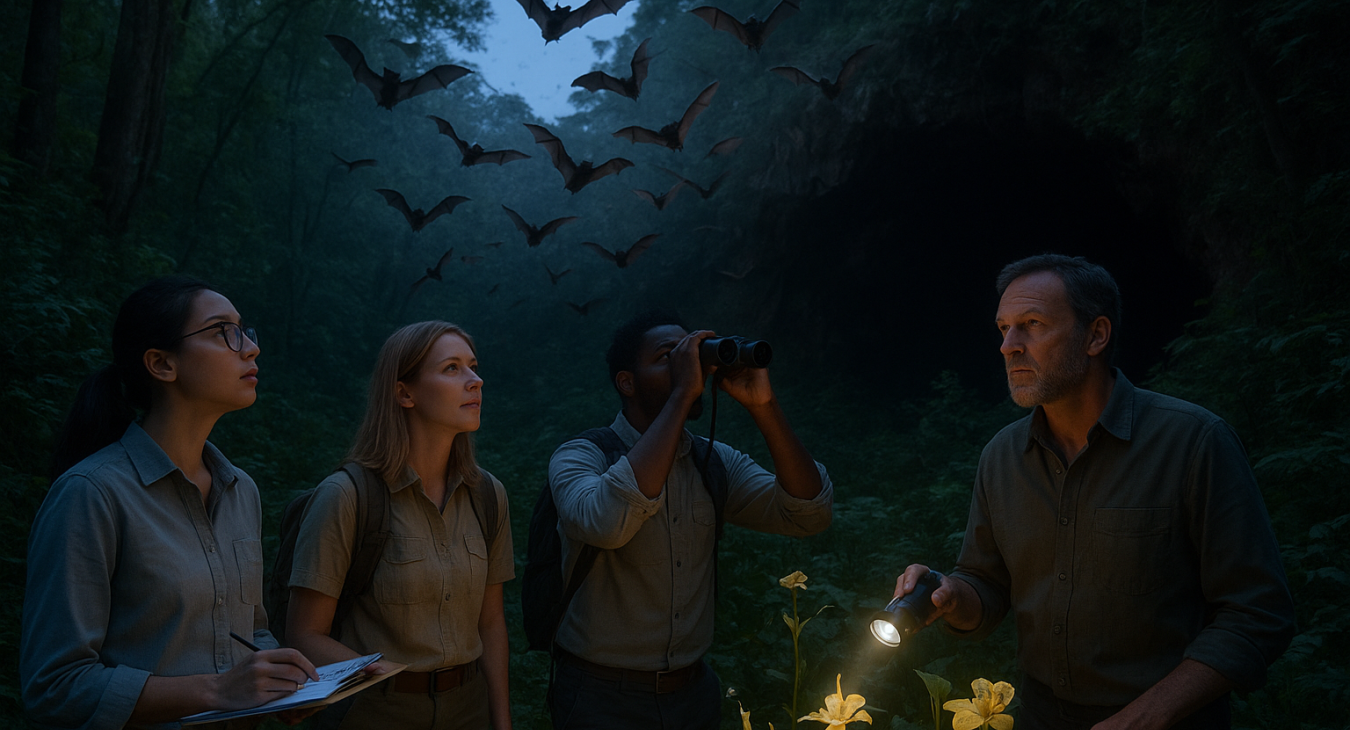
The Ecological Significance of Chiroptera
Bats, members of the order Chiroptera, represent a unique and vital group of mammals that play indispensable roles in global ecosystems. These nocturnal creatures are essential contributors to biodiversity, acting as natural regulators of insect populations and key pollinators for various plant species. From a scientific perspective, the ecological services provided by bats include pest control in agricultural settings and the maintenance of forest health through seed dispersal. Because they occupy such critical niches, the presence of bats is a hallmark of a functional and balanced environment. Recognizing their biological importance is the first step in shifting the public perception from fear to appreciation.
The Common Misconceptions and Historical Stigma
Historically, bats have often been the subject of superstition and fear, frequently depicted in folklore as creatures of omen or darkness. This historical baggage has contributed to a lack of public understanding regarding their actual biology and behavior. Many people view bats through the lens of outdated terminology or myths, often associating them solely with disease or nuisance. However, these misconceptions overlook the reality that most bat species are harmless to humans when managed correctly. Moving past these historical stigmas is necessary to foster a culture of conservation rather than one of eradication.
The Pitfalls of Eradication Strategies
Attempts to eradicate bat populations can lead to significant ecological instability. When a local population of bats is removed, the vacuum they leave behind can cause a surge in insect populations, which can negatively impact both natural vegetation and human agriculture. Eradication is often a short term solution that fails to address the underlying reasons for human-bat conflict. Furthermore, aggressive eradication efforts can inadvertently threaten endangered species, potentially leading to local extinctions that disrupt the delicate food web. Instead of attempting to eliminate these mammals, scientific consensus suggests that focusing on ecological stability is the more responsible course of action.
Effective Management through Scientific Research
Modern conservation efforts rely on rigorous scientific methods to monitor and manage bat populations. Organizations such as the National Park Service utilize advanced techniques including acoustic surveys and mist netting to gather data on species diversity and population health. Acoustic surveys use specialized equipment to detect the ultrasonic echolocation calls used by bats, allowing researchers to identify species without disturbing them. Mist netting involves using fine meshes to safely capture bats for health assessments and identification. These research-driven approaches provide the data necessary to create effective management plans that prioritize the survival of the species while addressing human concerns.
Strategies for Coexistence and Mitigation
The transition from eradication to management requires practical strategies that allow humans and bats to coexist. Mitigation techniques often focus on making human structures less attractive to bats or providing alternative habitats. For example, installing bat boxes can provide safe roosting sites away from residential buildings, reducing the likelihood of conflict. In agricultural sectors, understanding bat foraging patterns can help farmers implement integrated pest management (IPM) strategies that leverage bats as natural biocontrol agents. By providing these alternatives, we can reduce the perceived nuisance of bats without resorting to lethal measures.
The Importance of Education and Public Outreach
Education is perhaps the most powerful tool in the movement toward bat management and conservation. When communities understand the vital roles bats play in pollination and pest suppression, their attitude toward these animals often shifts from fear to support. Public outreach programs can dispel myths regarding zoonotic diseases and provide clear guidelines on how to safely manage bats found in homes or gardens. By empowering individuals with knowledge, we transform them from accidental persecutors into active participants in conservation efforts. A well informed public is much more likely to support policies that protect biodiversity.
The Role of Bats in Maintaining Biodiversity
Biodiversity is the foundation of a resilient planet, and bats are key pillars in this structure. As specialists in various niches, different bat species contribute to the survival of countless other organisms. For instance, nectar feeding bats are critical for the reproduction of many tropical plants, while insectivorous bats protect forest canopies from defoliating insects. Protecting bat populations is not just about saving a single group of animals; it is about preserving the intricate web of life that supports all terrestrial ecosystems. Effective management ensures that these biological processes continue uninterrupted for future generations.
Conclusion: A Path Toward Ecological Balance
The choice between eradication and management is a choice between ecological instability and environmental balance. While the impulse to eliminate perceived nuisances is understandable, the biological cost of such actions is far too high. By embracing scientific research, implementing smart mitigation strategies, and prioritizing education, society can move toward a future of coexistence. Managing bats through understanding and respect is not just a conservation goal; it is a necessity for maintaining the healthy, functioning ecosystems upon which all life depends.