
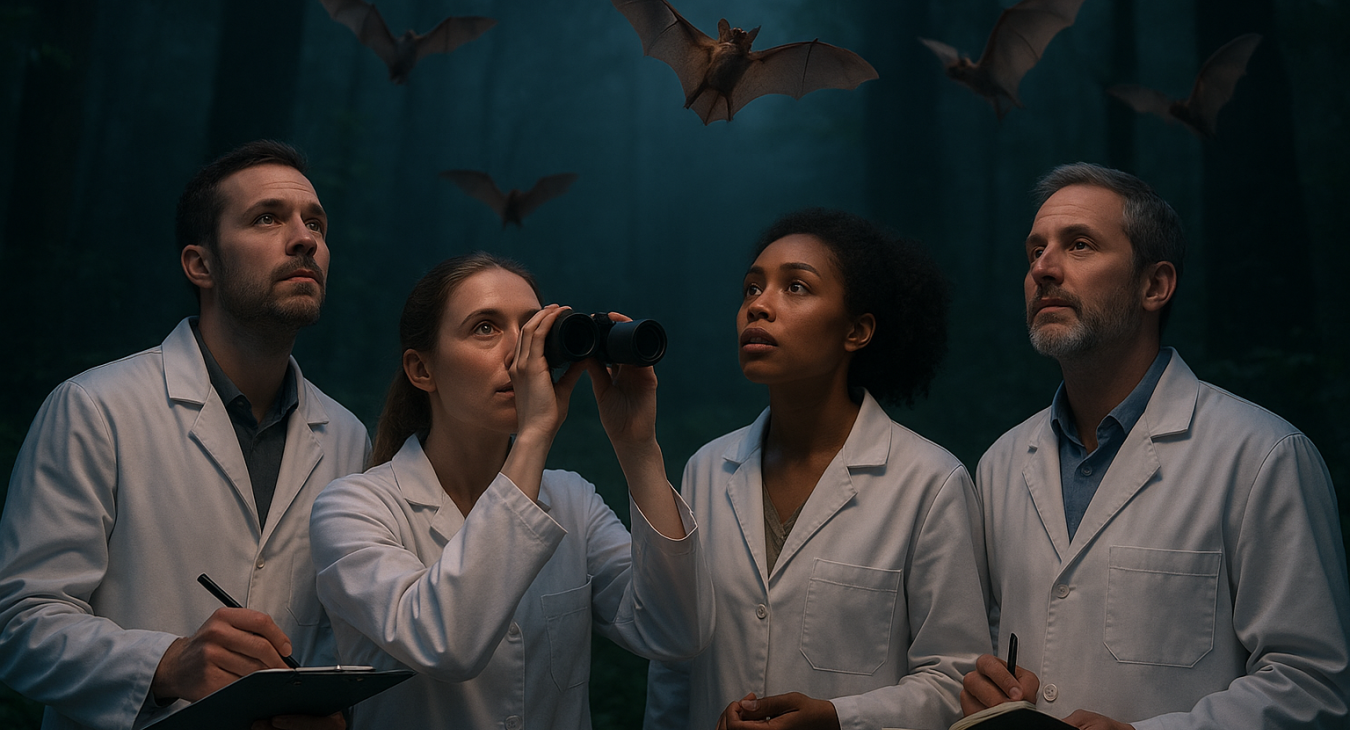
Debunking Myths About Their Nuisance Role
Introduction to Chiroptera and the Importance of Perspective
Bats, which belong to the scientific order Chiroptera, are among the most misunderstood mammals on the planet. Throughout history, these creatures have been the subject of various superstitions and folklore that often paint them as pests or even omens of bad luck. However, modern biological science provides a much different perspective. Rather than being a nuisance that necessitates aggressive bat extermination, bats are vital components of a healthy, functioning ecosystem. Understanding the true role of these mammals is the first step toward moving away from fear based interventions and toward more responsible wildlife management strategies.The Myth of the Nuisance versus the Reality of Ecological Services
One of the most persistent myths regarding bats is that they are inherently harmful pests that must be eradicated. This misconception often leads homeowners to seek immediate bat removal services when they encounter a single bat. In reality, bats are essential insectivores that provide a massive service to human agriculture and public health. By consuming vast quantities of insects, they act as a natural mechanism for pest management. When people attempt to get rid of bats without understanding the ecological consequences, they inadvertently disrupt the local food web and may actually lead to an increase in the insect populations they were trying to avoid.Natural Pest Control and the Little Brown Bat
To understand the economic and environmental value of these animals, one can look at the specific dietary habits of certain species. For instance, the Little Brown Bat, known scientifically as Myotis lucifugus, is an incredible tool for natural pest control. A single Little Brown Bat can consume as many as 1,000 mosquito-sized insects in just one hour. This capability makes them invaluable in controlling populations of mosquitoes, moths, and other nocturnal insects that can damage crops or spread diseases. When viewed through this lens, the goal of effective bat control should not be total elimination, but rather coexistence and the management of habitat proximity.Addressing the Fear of Disease and Safety
A significant driver behind the demand for bat extermination is the fear of zoonotic diseases. While it is true that some bat species can carry pathogens, the actual risk to humans and domestic pets is statistically quite low for most people. Most interactions between humans and bats are indirect. The primary safety concern occurs when a bat is found in a living space, which may indicate that the animal is sick or that there are several others living within the structure. In these specific instances, professional guidance is necessary to ensure human safety while adhering to local conservation laws.The Difference Between Bat Removal and Responsible Management
When a situation arises where bats are nesting in a residential attic or crawlspace, homeowners often search for ways to get rid of bats immediately. It is important to distinguish between aggressive extermination and professional bat removal techniques. Professional management focuses on exclusion methods. This involves identifying entry points and using one-way doors that allow the bats to exit the structure to forage at night but prevent them from re-entering. This method ensures that the colony is not trapped inside, which would lead to significant hygiene issues due to guano accumulation, and it avoids the ethical and legal complications associated with killing protected wildlife.Understanding the Impact of Habitat Loss
As urban development expands, the natural habitats of Chiroptera are being fragmented. This loss of habitat often forces bats to seek shelter in human-made structures, such as buildings and sheds. This is not a sign of bat aggression, but rather a consequence of environmental change. Effective bat control in a modern world requires a holistic approach that includes preserving natural roosting sites and creating bat-friendly environments. By promoting coexistence, we allow these mammals to continue their vital work of insect suppression while maintaining our own living spaces.Conclusion: Moving Toward Coexistence
In conclusion, the role of bats in our environment is one of service rather than nuisance. While it is understandable that people want to secure their homes, the instinctual drive toward bat extermination is often based on misinformation. By debunking the myths that label them as mere pests, we can transition toward more intelligent, science-based methods of bat control. Protecting these incredible insectivores is not just a matter of conservation for its own sake; it is a practical necessity for maintaining the ecological balance and controlling the insect populations that affect our daily lives.Read more articles
Newer



