The Glow That Never Fades
Walk outside a city center at midnight. The sky does not look black; it looks a sickly, milky grey. This isn't the natural darkness of the universe. It is a dome of scattered light, a fog of artificial photons bouncing off dust, moisture, and particulate matter in the atmosphere. Scientists call this skyglow. It is the visual evidence of light pollution, a byproduct of our modern obsession with keeping the night at bay.
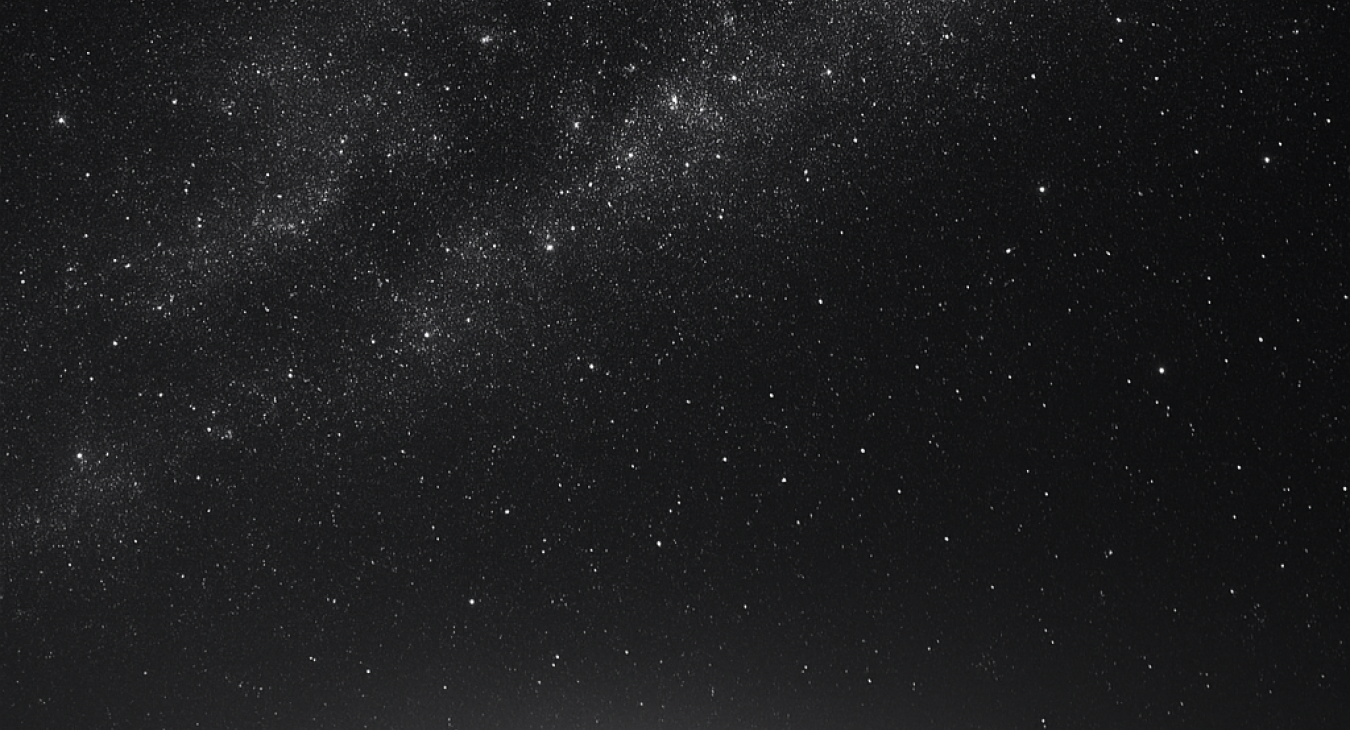
For most of human history, the sun dictated the rhythm of life. When it dipped below the horizon, the world transitioned into shadow. Our ancestors lived by the lunar cycle and the stars. Today, we have severed that connection. We have replaced the natural ebb and flow of light with a constant, unrelenting glare that erases the Milky Way from view for billions of people. This loss is not merely aesthetic; it is a biological and ecological disruption.
We treat light as if it were a zero-sum game. We assume that more light always equals more safety, more productivity, and more progress. In reality, much of the light we produce is wasted. It shoots upward into the void or spills sideways into windows, rather than illuminating the ground where it is actually needed. We are paying for light that serves no practical purpose, while simultaneously paying the price for the chaos it creates.
The Biological Clock and the Melatonin Problem
The human body operates on a circadian rhythm, an internal clock tuned to the 24-hour cycle of light and dark. This mechanism regulates everything from sleep patterns to hormone production and metabolism. The primary driver of this clock is the presence or absence of light, specifically blue-rich light that mimics daylight.
When artificial light—particularly from LED lamps with high blue-light content—penetrates our bedrooms at night, it confuses the pineal gland. This small gland is responsible for secreting melatonin, the hormone that tells your body it is time to sleep. Even a small amount of light can suppress melatonin production. When melatonin drops, sleep quality collapses. You might fall asleep, but your body doesn't enter the deep, restorative stages of sleep required for neurological repair and memory consolidation.
Chronic sleep deprivation is a documented precursor to various health issues. Research links disrupted circadian rhythms to obesity, diabetes, and even certain types of cancer. By saturating our environments with light, we are essentially living in a state of permanent jet lag. We have traded our physiological stability for the convenience of seeing clearly at 3:00 AM.
Ecological Cascades and the Insect Apocalypse
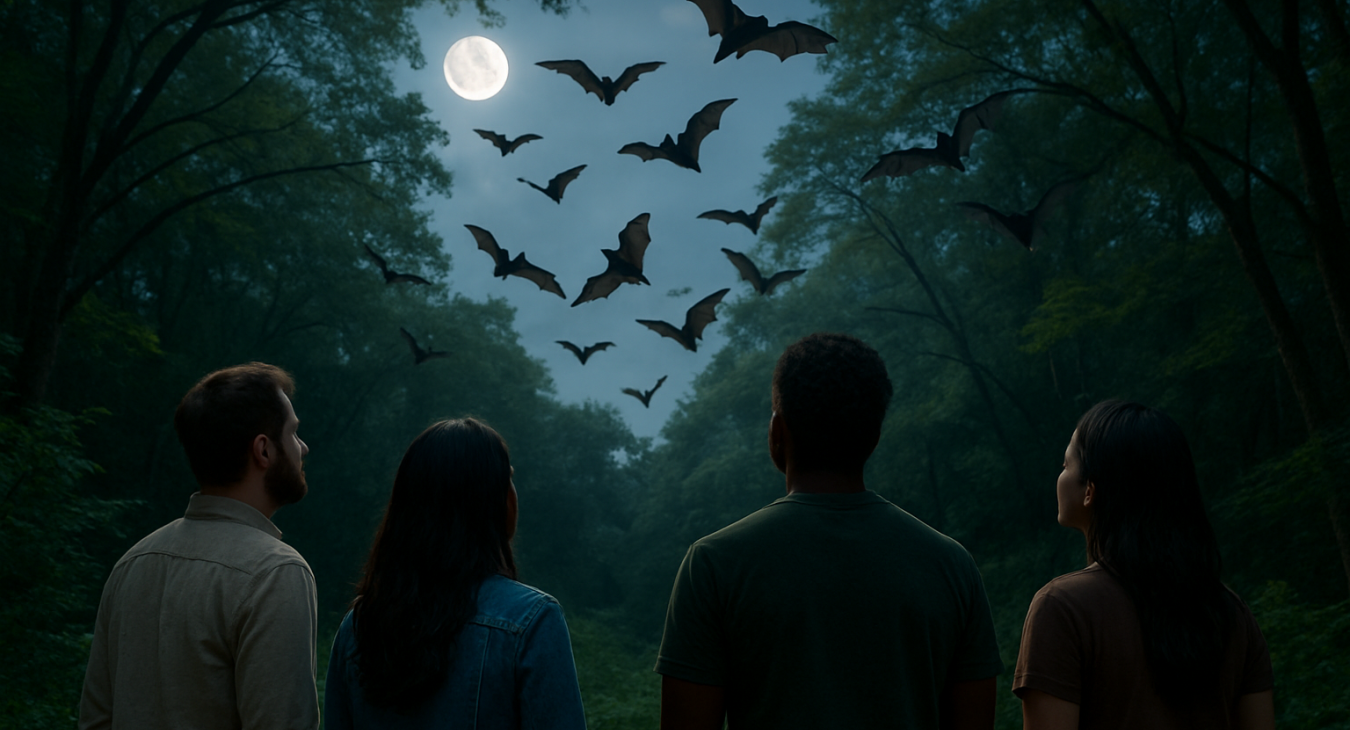
Nature does not have an "off" switch for artificial light. For nocturnal animals, the arrival of a streetlamp is not a convenience; it is an environmental catastrophe. Many species have evolved highly specialized behaviors that depend entirely on darkness. When we introduce light into these ecosystems, we trigger a cascade of unintended consequences.
Consider the moths. They use transverse orientation, or celestial navigation, to fly. By flying toward a streetlamp, they become trapped in a fatal loop of disorientation. This "vacuum cleaner effect" pulls insects away from their natural habitats and into urban centers, where they perish from exhaustion, dehydration, or predation. This localized extinction event does not happen in a vacuum; it ripples through the entire food web. As insect populations plummet, the birds and amphibians that rely on them for sustenance face similar declines, leading to a quiet, illuminated desert.
The impact extends beyond the insect world to the complex migratory patterns of birds. Many species travel thousands of miles using the stars and the Earth's magnetic field as guides. Brightly lit skyscrapers and offshore oil rigs act as beacons that lead migratory flocks off course, causing massive collisions or exhausting birds until they fall into the sea. The darkness that once served as a reliable compass has been replaced by a confusing, luminous obstacle course.
The Solutions: Reclaiming the Night
Mitigating light pollution does not require a descent into total darkness or a return to candlelight. Rather, it requires a shift toward precision lighting and intelligent design. By implementing specific changes, urban environments can remain safe while restoring the natural rhythms of the planet.
Practical Steps for Light Management
- Shielding: Installing fixtures that direct light downward prevents "light spill" into the sky and nearby windows.
- Color Temperature: Using warmer, amber-toned LEDs instead of harsh blue-rich white light reduces the impact on circadian rhythms.
- Intensity Control: Implementing dimmers and motion sensors ensures that light is only used when and where it is actually required.
"Darkness is not the absence of light, but the presence of opportunity for the natural world to heal."
The movement to protect the night sky is growing. Organizations like the International Dark-Sky Association advocate for lighting policies that balance human necessity with ecological stewardship. By choosing to dim the glare and shield the glow, humanity can finally rediscover the majesty of the cosmos and restore the biological balance that has sustained life for eons.
Environmental Policy Review, 2023