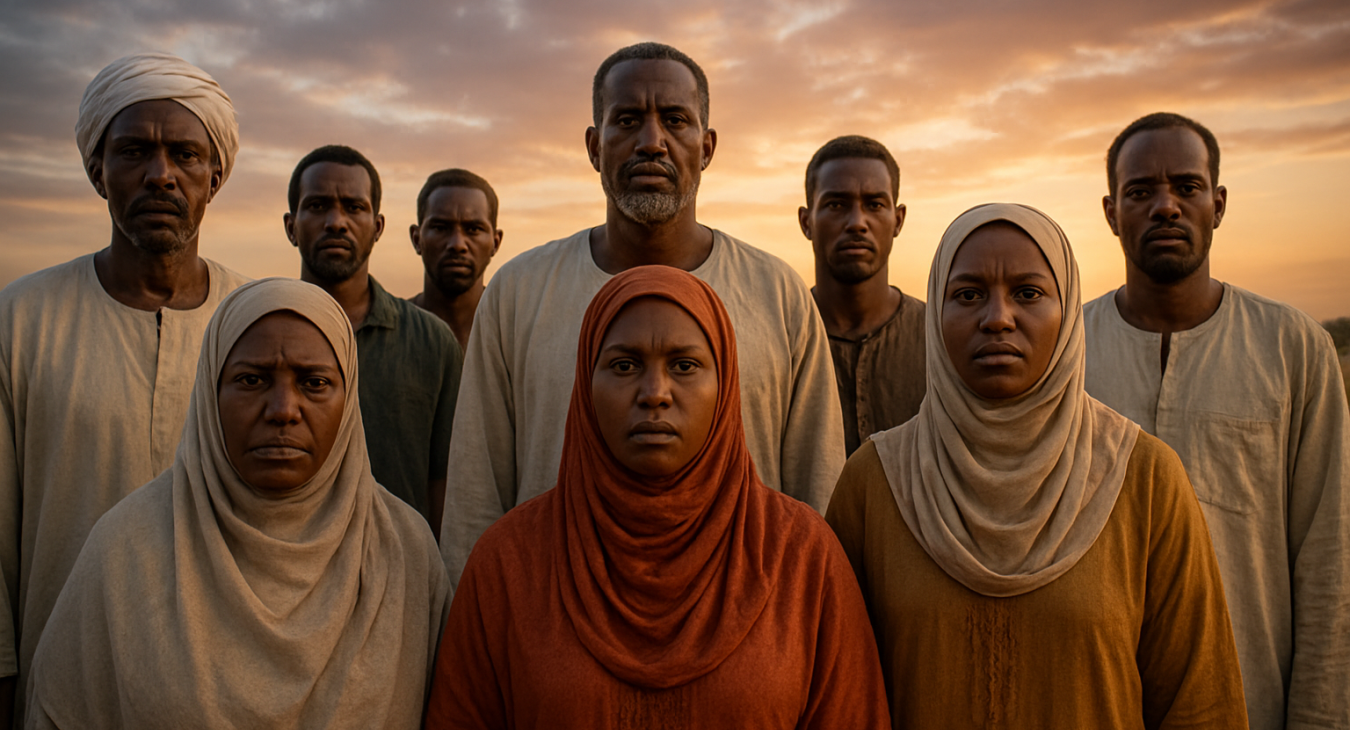
Social Roles and Group Identity
The Default Mode Network (DMN), linked to self-referential thought and mentalizing, often shifts in activity depending on social context. For example, cultural norms about individuality versus collectivism shape how much people engage in reflective self-analysis versus other-focused thinking during rest. In individualistic cultures, the DMN may lean toward autobiographical memory and personal planning, while collectivist societies might show enhanced DMN patterns tied to social thinking and group cohesion.
Language and Narrative Traditions
Cultural storytelling practices influence the DMN by affecting how individuals organize and process introspective content. Languages that emphasize relational concepts or temporal perspectives can alter the DMN’s involvement in internal dialogue and mental simulation. Oral versus written traditions may also modulate spontaneous mental elaboration, affecting default network recruitment during idle moments.
Social Stress and Attachment Patterns
Early social environments and attachment styles impact DMN function by shaping self-other representations encoded during rest. Chronic social stress or social deprivation can alter connectivity within the DMN, reducing its capacity for constructive introspection. Cultures with varying caregiving norms produce differing baseline DMN activity patterns related to social cognition and emotional regulation.
Religious and Meditative Practices
Specific cultural practices like meditation or prayer frequently influence DMN dynamics. These activities often dampen or reorganize default network engagement to promote reduced self-referential rumination or enhanced present-moment awareness, illustrating how cultural rituals can modulate the intrinsic activity of this core brain network.