How does artificial light at night disrupt insect behaviors and cause a ripple effect through bird and bat food webs?
Light pollution creates a dangerous chain reaction in nature. It starts with insects. Many insects are naturally drawn to artificial lights at night. This behavior can confuse them, making them easier targets for predators or preventing them from mating and laying eggs. When insect populations drop or their movements change, it directly impacts the animals that eat them.
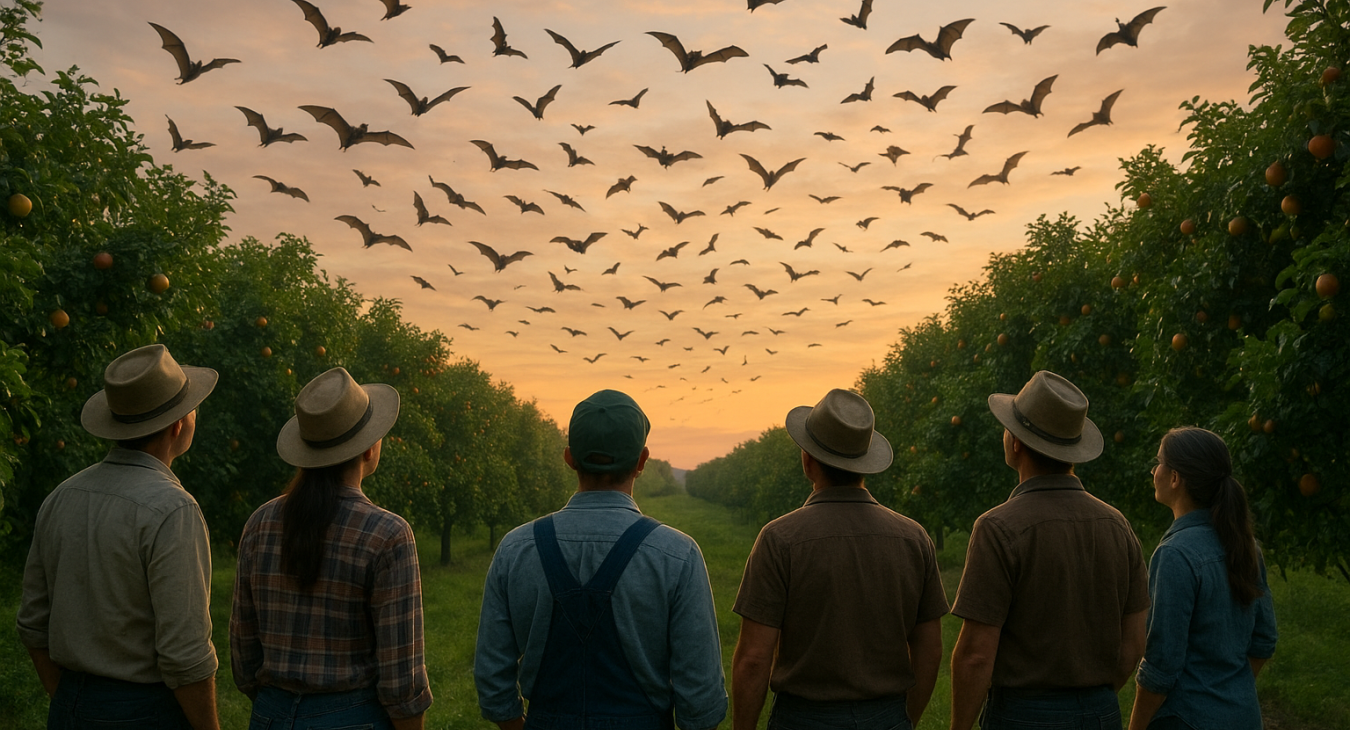
Birds and bats rely heavily on these insects as their primary food source. For example, bats often hunt insects that are attracted to streetlights, which might seem helpful at first. However, this can disrupt their natural hunting patterns and deplete the insect populations in other areas. Similarly, migratory birds can become disoriented by bright city lights, causing them to lose energy or collide with buildings. As the number of available insects decreases or their life cycles are disrupted, birds and bats struggle to find enough food to survive and raise their young. This disruption moves up the food chain, potentially weakening entire ecosystems. By changing how light works in the environment, we accidentally change how energy flows through the natural world, making it harder for many winged animals to thrive.