The Hidden Value of Chiroptera
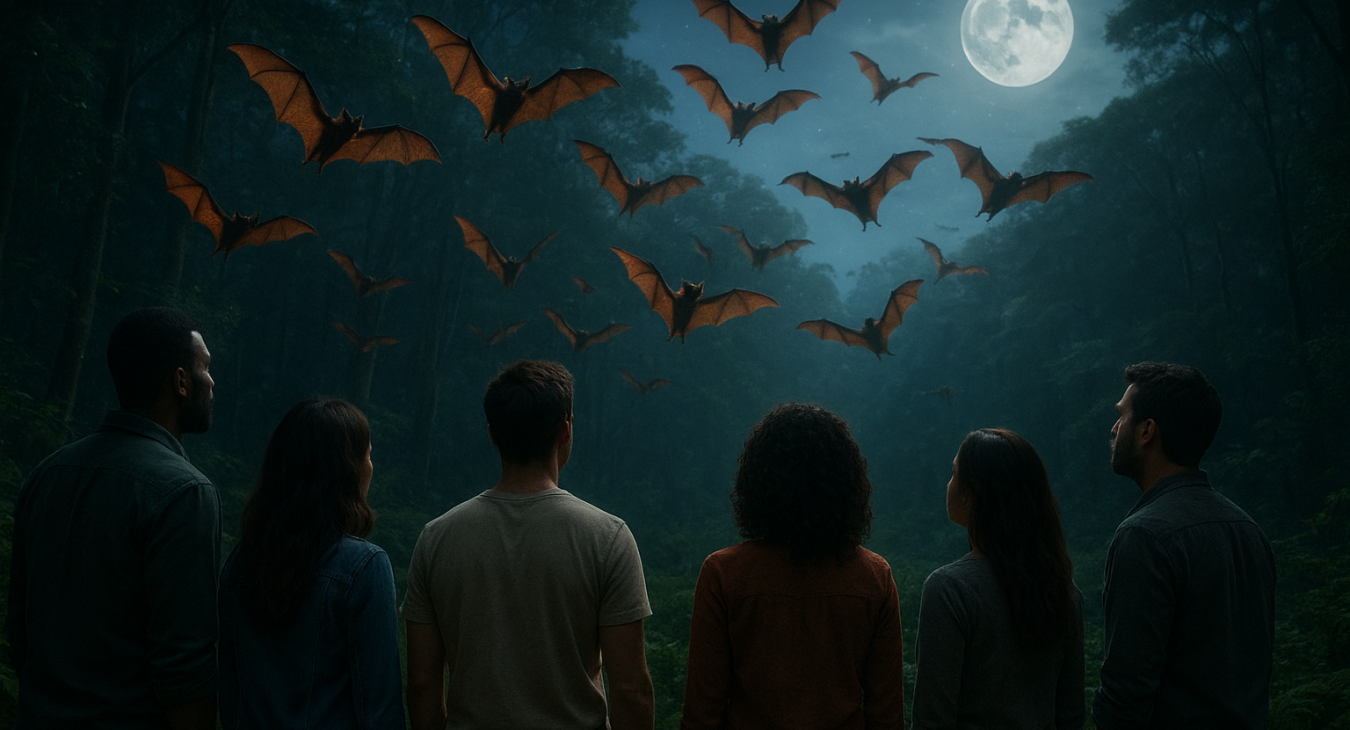
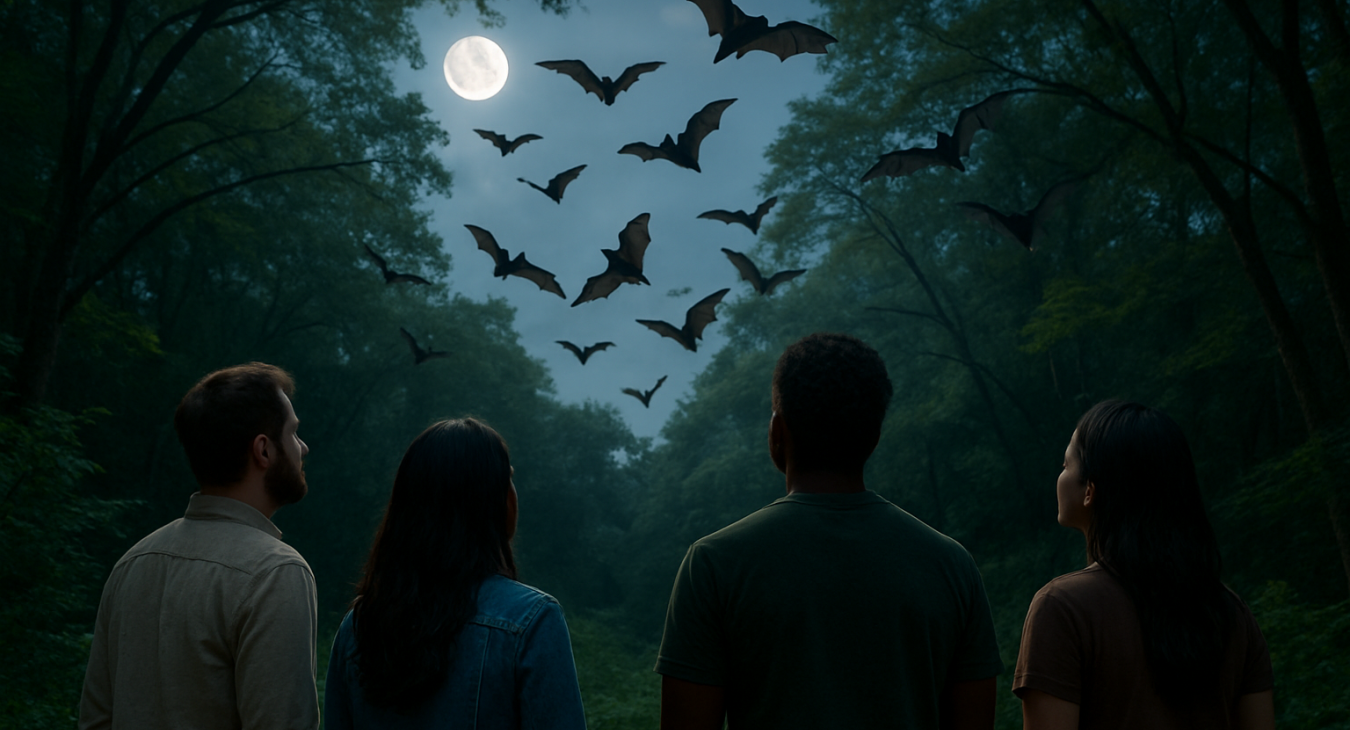
When many people hear the word bat, they immediately think of something frightening or pestilent. This instinctual fear often leads to calls for extermination or lethal control measures. However, bats belong to the order Chiroptera, a group of mammals characterized by their ability to fly. Far from being mere nuisances, these creatures serve as vital biological control agents and pollinators within our global ecosystems. Understanding the scientific importance of these animals is the first step toward moving away from destructive extermination practices and toward harmonious coexistence.
Natural Pest Control and Economic Impact
One of the most significant benefits provided by bats is their role in insect population management. Most insectivorous bats consume vast quantities of flying insects every single night. For example, a single little brown bat, known scientifically as Myotis lucifugus, can consume thousands of insects in a single evening. This includes many species of mosquitoes, which are notorious vectors for diseases like West Nile Virus and Zika. By predating on these insects, bats act as a free, natural form of pest control that operates 24 hours a day during their active seasons.
Beyond disease vectors, bats provide immense economic relief to the agricultural sector. Many agricultural pests that destroy crops like corn, soybeans, and various fruits are heavily regulated by the voracious appetite of bats. If human populations were to succeed in exterminating bat colonies, the resulting surge in insect populations would likely lead to a massive increase in the use of chemical pesticides. This would not only increase costs for farmers but would also lead to higher levels of toxic residue in our food supply and water systems.
The Role of Bats as Pollinators
While insectivorous species often get the most attention, many species of bats are critical pollinators. Chiropterophily, the scientific term for pollination by bats, is a fundamental process in various ecosystems. Many plants have evolved specifically to be pollinated by bats, often producing large, pale flowers that open at night and emit strong scents to attract these nocturnal mammals. These plants rely on the movement of bats to facilitate cross-pollination, which is essential for genetic diversity and fruit production.
This pollination service extends to crops that are vital for human nutrition. For instance, many varieties of agave, which are used to produce certain beverages, rely heavily on bat pollination. Additionally, various tropical fruits such as mangoes, bananas, and avocados benefit significantly from the presence of nectar-feeding bats. When local bat populations are removed through extermination, these plant species struggle to reproduce, which can lead to a collapse in local biodiversity and changes in the entire landscape of the ecosystem.
Seed Dispersal and Forest Regeneration
Bats also serve as essential seed dispersers, a role often referred to as zoochory. As bats feed on fruits and nectar, they carry seeds away from the parent plant. Through their digestive processes, these seeds are often deposited in new locations, often along with a small amount of natural fertilizer. This process is critical for the regeneration of forests and the maintenance of complex woodland structures. In many tropical regions, bats are considered keystone species because their movement of seeds helps to maintain the structural integrity of the rainforest.
Without the dispersal services provided by bats, many plant species would be restricted to a very small area around the original mother tree. This lack of movement makes them more vulnerable to localized diseases or environmental changes. By spreading seeds across a wider geographic range, bats help ensure that forests can recover after disturbances like fires or storms. This makes them silent architects of the natural world, building the very forests that regulate our climate and produce oxygen.
The Danger of Misinformation and Disease Myths
A major reason why extermination remains common is the spread of misinformation regarding zoonotic diseases. While it is true that bats can carry viruses, the risk of transmission to humans is often misunderstood or exaggerated. The vast majority of bat interactions occur in the wild, far from human contact. Diseases such as Rabies or various coronaviruses are much more likely to spread when humans disturb bat habitats or attempt to capture and handle them improperly. Killing bats does not eliminate the presence of viruses; it often creates chaos in the ecosystem that can lead to unpredictable biological consequences.
Education is the most effective tool against the fear-driven desire to exterminate. When people understand that bats are a specialized part of the food web rather than an indiscriminate threat, the instinct to use lethal force diminishes. Promoting awareness about the specific species in a local area and how they interact with the environment can change public perception from one of fear to one of stewardship. Conservation efforts are far more effective at protecting human health than mass extermination programs.
Moving Toward Coexistence and Conservation
Instead of seeking to exterminate bats, homeowners and city planners should focus on strategies of coexistence. This can include installing bat houses, which provide safe roosting spots away from human dwellings, or using exclusion techniques that guide bats away from attic spaces without harming them. Creating wildlife corridors and preserving natural habitats also helps ensure that bat colonies have the space they need to thrive without encroaching on human structures.
Protecting bats is ultimately an act of protecting the services they provide to humanity. The biological services of pest control, pollination, and seed dispersal are worth trillions of dollars to the global economy and are essential for a stable biosphere. By shifting our approach from eradication to management and conservation, we support a healthier, more resilient planet for all species, including ourselves.