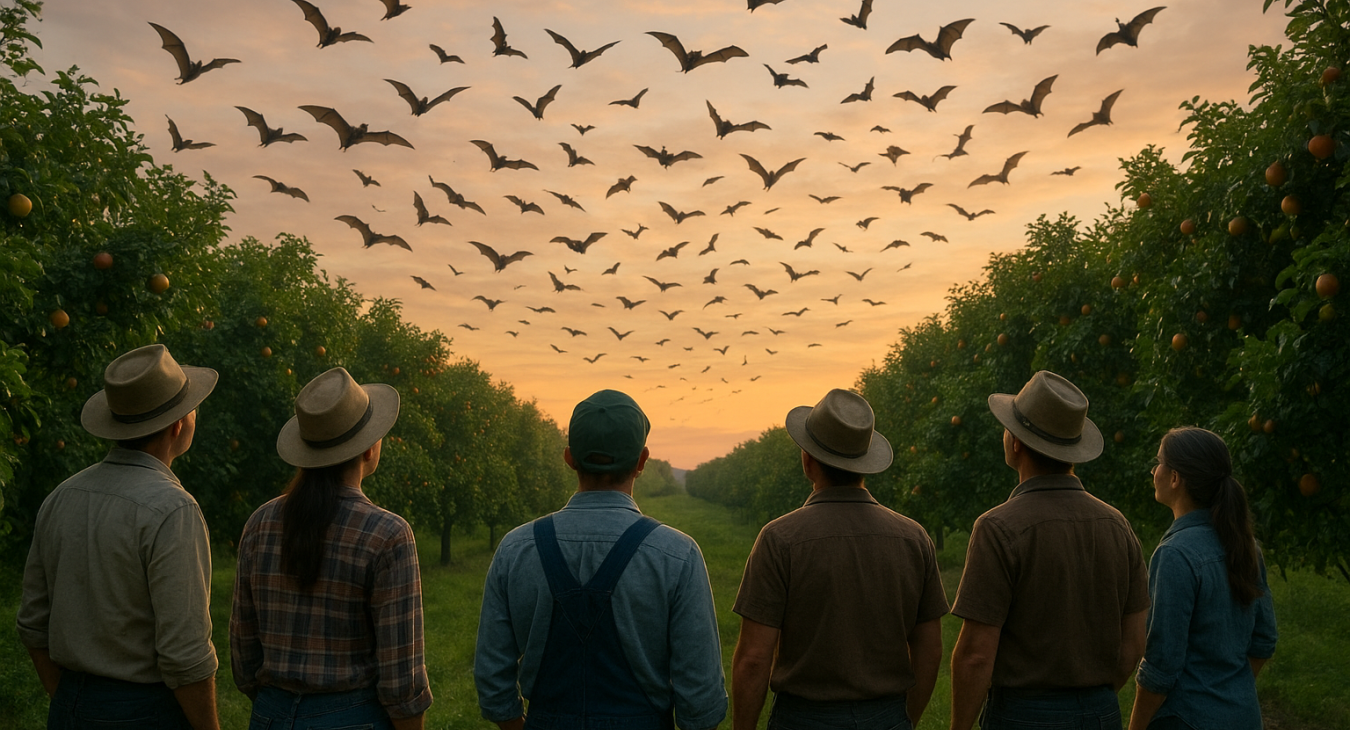
The Misconception of Bats as Pests
For centuries, bats have been unfairly characterized as pests or even as harbingers of bad luck. This stigma stems from a lack of biological understanding and historical folklore rather than actual behavior. In reality, bats are highly beneficial mammals that play indispensable roles in maintaining the health of our ecosystems. When people encounter bats in their attic or near their homes, their first instinct is often fear or a desire to exterminate them. However, viewing these creatures as pests is a fundamental misunderstanding of their ecological function and their impact on human life.
The Ecological Importance of Insect Control
One of the most significant contributions bats make to the world is their role in managing insect populations. Bats are voracious insectivores, meaning their diet consists primarily of insects. This feeding habit provides a massive, natural service to humanity. For instance, at Bracken Cave in Texas, a population of approximately 20 million bats consumes an estimated 200 tons of insects every summer evening. This massive scale of consumption is a primary reason why bats are not truly pests, but rather essential ecosystem engineers that keep insect numbers in check.
Economic Benefits for Agriculture
Beyond mere biological curiosity, bats provide tangible economic benefits to the global agricultural sector. By consuming vast quantities of insects, bats act as a natural form of pest control for farmers. This service helps reduce the number of crop-destroying insects that plague fields. Consequently, this reduces the reliance on expensive and often harmful chemical insecticides. By providing this free ecological service, bats help farmers save billions of dollars annually, which ultimately contributes to more stable food prices and lower costs for fruits and vegetables in the marketplace.
The Role of Bats as Pollinators
While many people associate bats only with eating insects, they also play a critical role as pollinators. Various species of bats facilitate the reproduction of many plant species through the process of pollination. This service is vital for the diversity of many ecosystems and the production of certain fruits and nuts that humans rely on for nutrition. Without these nocturnal pollinators, many plant species would struggle to reproduce, potentially leading to shifts in entire habitats and a decline in biodiversity.
Understanding Vulnerability and Habitat Loss
Despite their immense benefits, many bat species are facing global declines due to human activity. Habitat loss remains a primary driver of these population decreases. As natural landscapes are converted for urban development or industrial use, bats lose the essential spaces they need for foraging and roosting. Bats that hibernate in caves are especially vulnerable to disturbance. Because these animals rely on specific temperature and humidity levels in caves for their winter survival, even minor human interference can have devastating effects on their ability to survive the cold months.
Differentiating Between Bats and Harmful Pests
It is important to distinguish between the ecological role of bats and the concerns regarding potential health risks. While it is a fact that some bats can carry zoonotic diseases, they do not seek out humans to cause harm. Most bats are shy, nocturnal creatures that prefer to avoid human contact. When bats enter a home, it is usually because they are seeking shelter or following an easy food source, not because they are attempting to cause a nuisance. Understanding that their presence is a search for habitat rather than an aggressive act can help reduce the fear surrounding their presence.
Safe Management and Conservation Strategies
If you discover bats in your home, the goal should always be safe management rather than eradication. Extermination methods often involve harmful chemicals or physical trauma that can harm the animals and the environment. Instead, professional bat exclusion techniques are the most effective and humane way to handle the situation. Exclusion involves temporarily sealing off entry points to the structure, allowing the bats to leave and preventing them from returning once the entry points are permanently secured. This method ensures the bats are moved safely without causing them injury.
The Importance of Public Education
Fostering a sense of appreciation for bats requires widespread education. When communities understand the biological and economic value of these mammals, the impulse to kill them out of fear diminishes. Moving away from historical terminology and superstitions toward scientific understanding is essential for conservation. By recognizing bats as vital allies in both agriculture and environmental stability, we can better implement strategies to protect their habitats and ensure they continue to provide their essential ecosystem services for generations to come.