
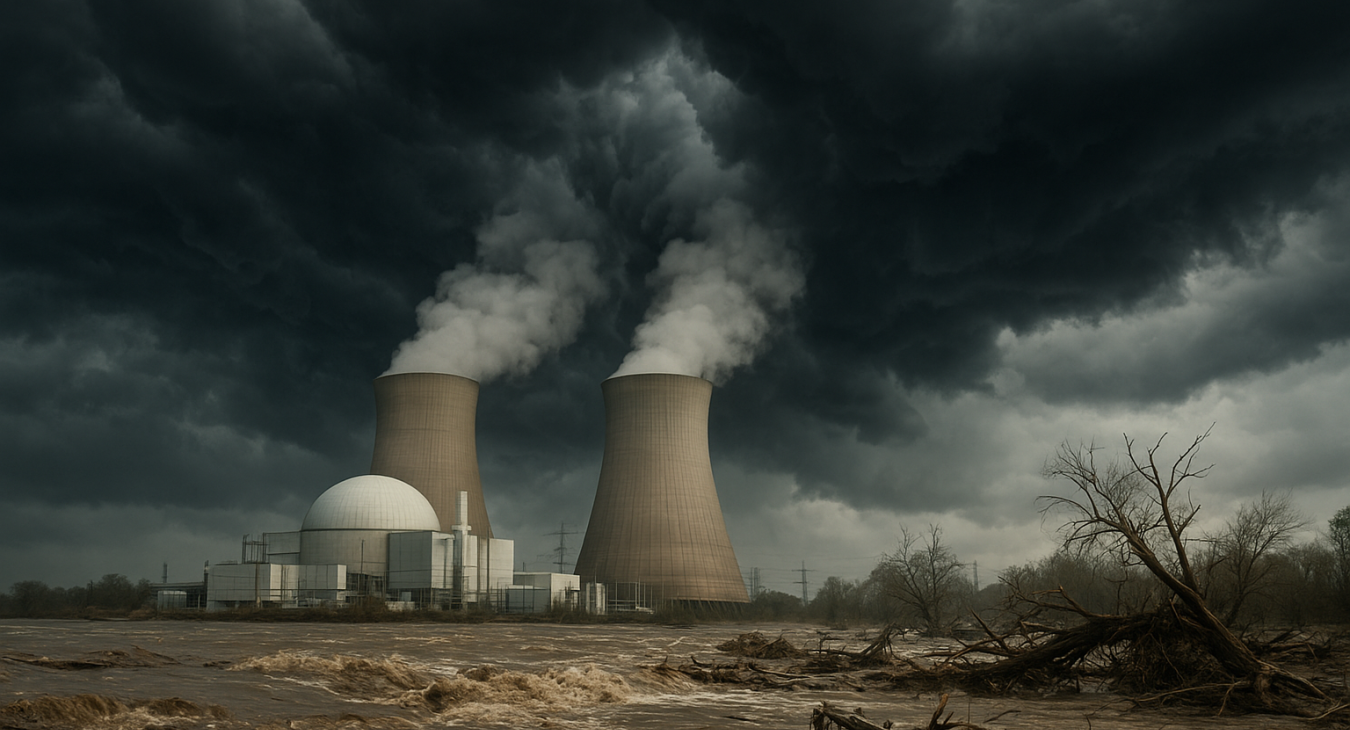
In the pursuit of clean energy and our global climate goals, nuclear power offers a vital pillar. However, as global temperatures soar and extreme weather events become alarmingly common, a critical discussion has emerged regarding the vulnerability of these facilities, particularly those without modern redundancy built in.
The reality is that while these plants are engineered for incredible resilience, their operational integrity faces new challenges from nature. For instance, the Duane Arnold nuclear power plant in Iowa suffered a significant blow on August 10, 2020, when powerful derecho winds caused both a substantial power outage and structural damage to its older wooden cooling towers. Such events underscore that even robustly designed facilities can face immense operational strain.
The Growing Threat of Climate-Induced Hazards
Climate change is not merely an abstract concept; it translates into tangible, immediate hazards for energy infrastructure. Weather-related hazard severities are projected to shift dramatically over the next few decades. Experts from organizations like the International Atomic Energy Agency (IAEA) highlight that extreme weather events, such as escalating heatwaves and changes in water temperature or flow, can force operational shutdowns. These shutdowns, while perhaps not compromising core safety systems, present significant ongoing challenges to maintaining continuous power generation.
The Need for Built-in Resilience: Beyond Redundancy
A primary concern centers on older plants built during the 1970s and 1980s. Regulators are grappling with whether these facilities were sufficiently studied for today's rapidly changing climate profile. The concept of a vulnerability-based approach is increasingly necessary to assess how nuclear power systems interact with the broader energy network, ensuring true resilience.
Personal Impact and Global Shifts
The consequences reach beyond technical reports. We are seeing real-world impacts: heatwaves have forced shutdowns at facilities like France's Golfech and Switzerland's Beznau plants. These operational losses create systemic pressure, suggesting that planning must account for predictable environmental disruptions.
Paving the Way for a Resilient Future
The good news is that this recognition of vulnerability is driving innovation and investment. The increasing focus on advanced nuclear technologies, such as Small Modular Reactors (SMRs), geothermal energy, and hydrogen storage, presents climate-resilient alternatives. These newer solutions are often designed with modern environmental stresses in mind, offering strong policy and cost advantages.
Furthermore, major initiatives like the U.S. Inflation Reduction Act (IRA) and the EU Green Deal are channeling substantial investments aimed at prioritizing technologies that can withstand increasingly severe weather disruptions. While managing the challenges of legacy infrastructure is critical, this global push toward diversified clean energy sources ensures a steady evolution towards safer, more sustainable power generation for everyone.
- Log in to post comments