Toxic Hairs and Their Fierce Enemies
The Nature of the Threat
Within our fragile forest ecosystems, the procession moth larvae represent a significant biological challenge. These caterpillars are well known for their distinctive appearance and their highly irritating toxic hairs. When these larvae feed on tree leaves, they can cause substantial defoliation, which threatens the vitality of the woodland canopy. While some view these outbreaks as a purely destructive force, it is more accurate to see them as a natural part of the cycle of forest succession and life. However, when populations explode, they can disrupt the local ecological balance, necessitating careful management to protect biodiversity.The Role of Natural Predators
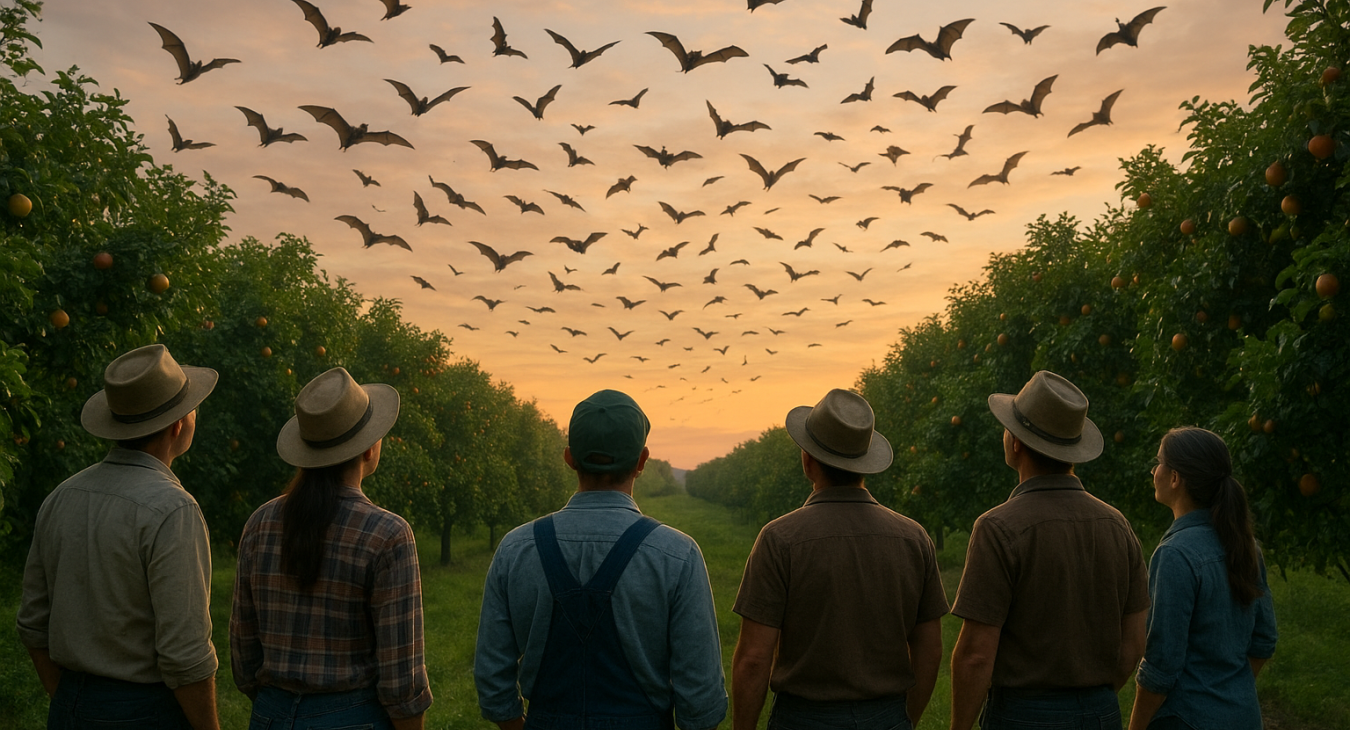
Sustainable pest management focuses on the strength of natural biological controls rather than artificial intervention. In a healthy ecosystem, various predators work tirelessly to keep the moth population in check. Small birds and specialized wasps play a vital role by consuming the larvae before they can reach destructive numbers. Furthermore, nocturnal creatures like bats contribute to the stability of the forest by hunting the adult moths. This complex web of life demonstrates how natural enemies serve as an efficient and environmentally friendly way to regulate species without human interference.Chemical Intervention versus Ecological Stability
When human activity or climate shifts cause larvae populations to surge, the immediate response is often the application of chemical pesticides. While these chemicals can offer quick relief for certain trees, they frequently come with high environmental costs. Broad-spectrum insecticides do not distinguish between the pest and the beneficial insects that sustain the forest. By eliminating non-target species, these chemicals can weaken the very ecological defenses that keep the forest resilient. A more sustainable approach prioritizes monitoring and the preservation of habitats for natural predators. This method ensures that we address the problem while maintaining the intricate balance of the forest. Protecting the habitat for bats and other insect-eating animals is often a more effective long-term strategy than relying on toxic sprays. By respecting these natural cycles, we can manage forest health in a way that supports a diverse and thriving ecosystem for future generations.Read more articles
perspective