
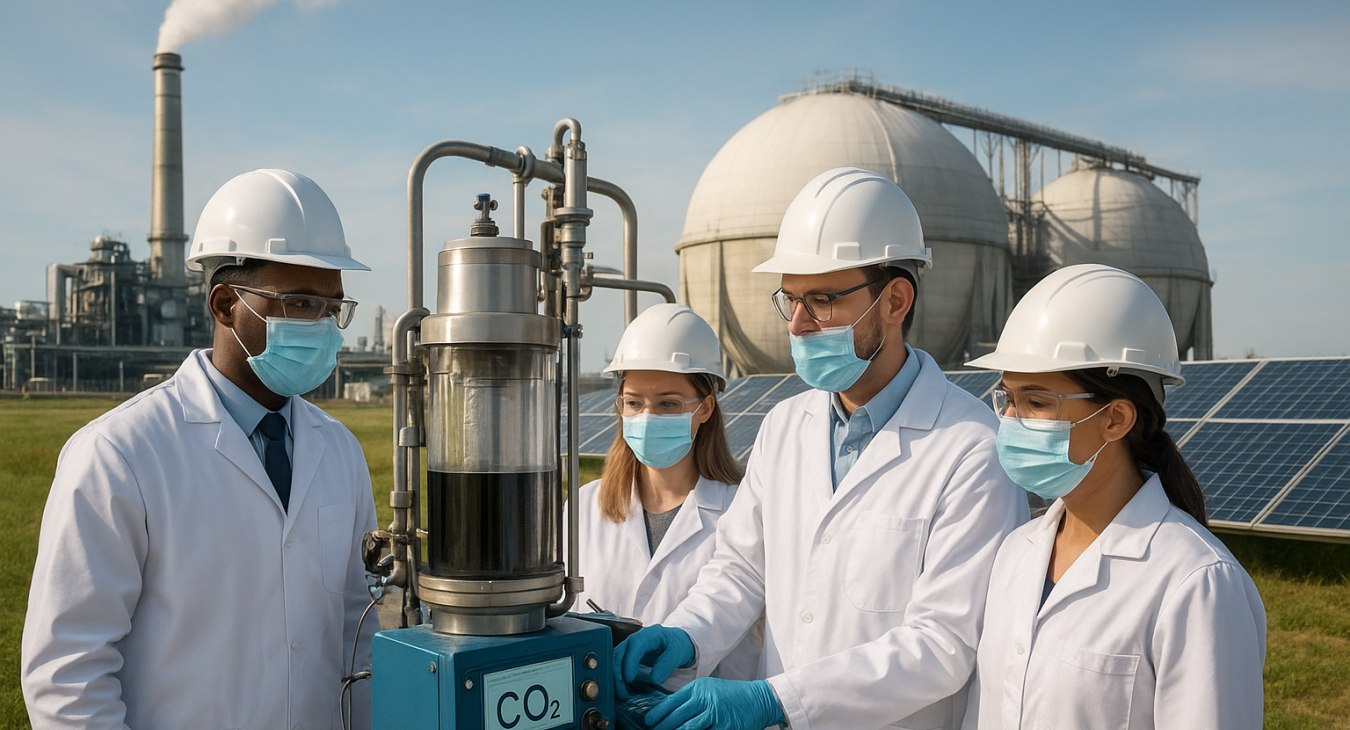
Carbon Capture and Storage, commonly referred to as CCS, involves the extraction of carbon dioxide from industrial sources or the atmosphere for subsequent sequestration in geological formations. This technology is a critical component in climate change mitigation strategies aimed at reducing greenhouse gas emissions. However, significant technical and economic hurdles remain before widespread adoption can be achieved.
The first major challenge lies in energy penalties associated with the capture process itself. Capturing carbon dioxide from flue gases or ambient air requires substantial amounts of electricity and heat. For example, amine-based scrubbing techniques require large volumes of steam to regenerate the chemical solvents used for separation. This additional energy consumption significantly reduces the net efficiency of power plants equipped with CCS technology.
The second hurdle concerns the transportation infrastructure necessary for moving captured carbon dioxide from source locations to storage sites. In many regions, there is no existing pipeline network for CO2 transport, necessitating the construction of new facilities and extensive planning approvals. Building these pipelines requires massive capital investment and years of permitting before operations can begin.
The third challenge pertains to long-term storage in geological formations such as saline aquifers or depleted oil and gas fields. Identifying suitable sites that are both close enough to capture sources and large enough to accommodate substantial volumes of carbon dioxide is difficult. Moreover, ensuring the permanent containment of CO2 underground requires sophisticated monitoring systems and rigorous safety protocols.
The final obstacle involves the cost-effectiveness of CCS compared to other emission reduction methods such as renewable energy or nuclear power. Currently, capture technology remains expensive relative to many alternatives that offer lower carbon footprints without the added complexity of sequestration infrastructure. Consequently, policy incentives and technological improvements are needed to make CCS a viable component of global decarbonization efforts.
Despite these challenges, research continues on developing more efficient capture materials like metal-organic frameworks or MOFs and advanced membrane technologies. These innovations aim to reduce energy requirements and minimize the cost per ton of carbon dioxide captured and stored. By addressing technical and economic barriers through innovation and collaboration between different sectors CCS could become a scalable solution for climate change mitigation.



