
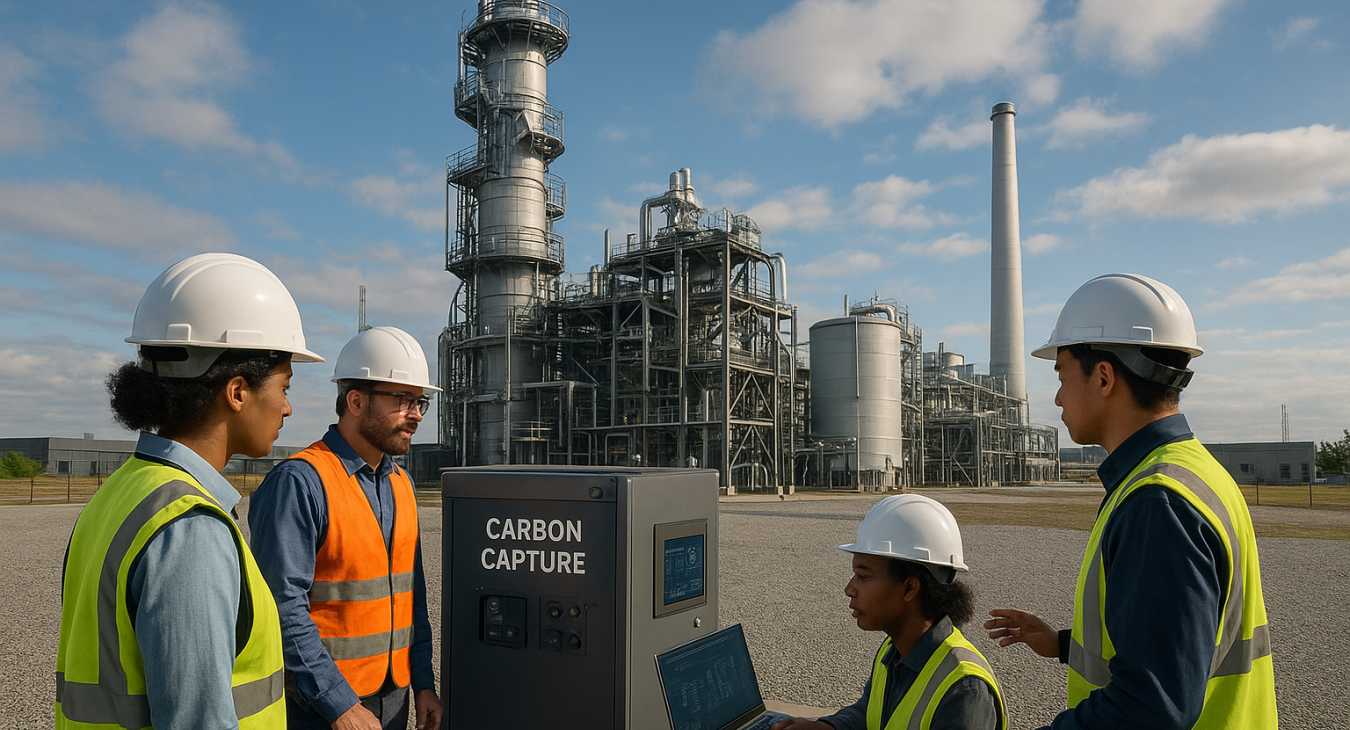
Overview of Carbon Capture and Storage (CCS)
Carbon Capture and Storage (CCS) refers to a suite of technologies designed to capture carbon dioxide (CO2) emissions from large point sources, such as power plants or industrial facilities, and sequester them in geological formations. The process typically involves capturing the gas from the flue stream using chemical solvents, membranes, or solid adsorbents before transporting it for underground injection.
The primary objective of CCS is to mitigate climate change by preventing greenhouse gases from entering the atmosphere. While scientifically viable, the deployment of these systems faces significant obstacles ranging from economic constraints and infrastructure limitations to psychological barriers in the form of public resistance.
Economic Barriers and Implementation Costs
High implementation costs represent a primary financial hurdle for widespread CCS adoption. The capital expenditure (CAPEX) required to construct carbon capture plants is substantial, as these facilities necessitate specialized equipment such as large-scale compressors, chemical processing units, and extensive pipelines. Furthermore, the operational expenditure (OPEX) includes the continuous cost of chemical regeneration or adsorbent replacement plus the significant energy requirements needed for CO2 separation.
The variable operational performance of CCS systems can further complicate financial planning. Energy penalties occur when a portion of the power plant output is diverted to run the capture technology, effectively reducing the net efficiency of the facility. These costs make it difficult for conventional industries to compete with low-cost energy sources that do not require carbon mitigation.
Infrastructure and Supply Chain Constraints
The development of CCS requires a robust infrastructure network to move captured CO2 from production sites to sequestration locations. This includes extensive pipeline networks, which currently lack sufficient capacity in many regions. In some areas, the source-sink mismatching occurs when suitable geological storage sites are located far from large industrial emitters, increasing transport costs and logistical complexity.
Supply chain constraints also affect building rates of CCS facilities. The availability of specialized materials, such as high-durability steel for pipelines or specific chemical solvents like monoethanolamine (MEA), can become a bottleneck during periods of rapid expansion. These physical infrastructure gaps necessitate long-term planning and coordinated governmental investment to bridge the distance between industrial sources and suitable sinks.
Geological Storage and Safety Concerns
Identifying appropriate underground storage locations is a significant technical challenge for CCS projects. Geological formations, such as saline aquifers or depleted oil and gas reservoirs, must have adequate porosity and permeability while ensuring an impermeable caprock to prevent the migration of CO2 into shallower groundwater systems.
Potential geological leakage poses both environmental risks and engineering challenges. If carbon dioxide migrates out of its injection site due to seismic activity or integrity failures in wellbores, it could impact local ecosystems and contaminate drinking water sources. Monitoring technologies must be sufficiently advanced to detect micro-leaks before they escalate into significant hazardous releases.
Public Acceptance and Risk Perception
The lack of public acceptance is a major social barrier to CCS implementation. Public concerns regarding carbon capture often center on the perceived risk of underground storage, including potential seismic events or CO2 leaks that could affect local safety. These fears are frequently rooted in incidents where geological activities led to groundwater contamination or atmospheric hazards.
Furthermore, public concern regarding the inequitable distribution of benefits versus risks for nearby communities can hinder project approval. If residents near a sequestration site feel they bear all the risk while others receive the economic benefit, local opposition can stall development indefinitely. Addressing these concerns requires transparent communication about safety protocols and evidence-based information on long term effectiveness or permanence.
Regulatory Frameworks and Policy Uncertainty
Uncertain government policies further impede CCS adoption. In many jurisdictions, regulatory frameworks are incomplete regarding the liability of CO2 storage sites over centuries. This uncertainty makes it difficult for private companies to secure financing when they cannot guarantee who will be responsible for maintaining site integrity in the distant future.
The lack of clear market policy issues also prevents CCS from becoming a mainstream solution. Without stable tax credits, carbon pricing mechanisms that exceed capture costs, or direct governmental subsidies, there is limited motivation for industries to adopt the technology voluntarily. Establishing consistent international standards and national policies will be critical in overcoming these barriers and accelerating CCS deployment.



