
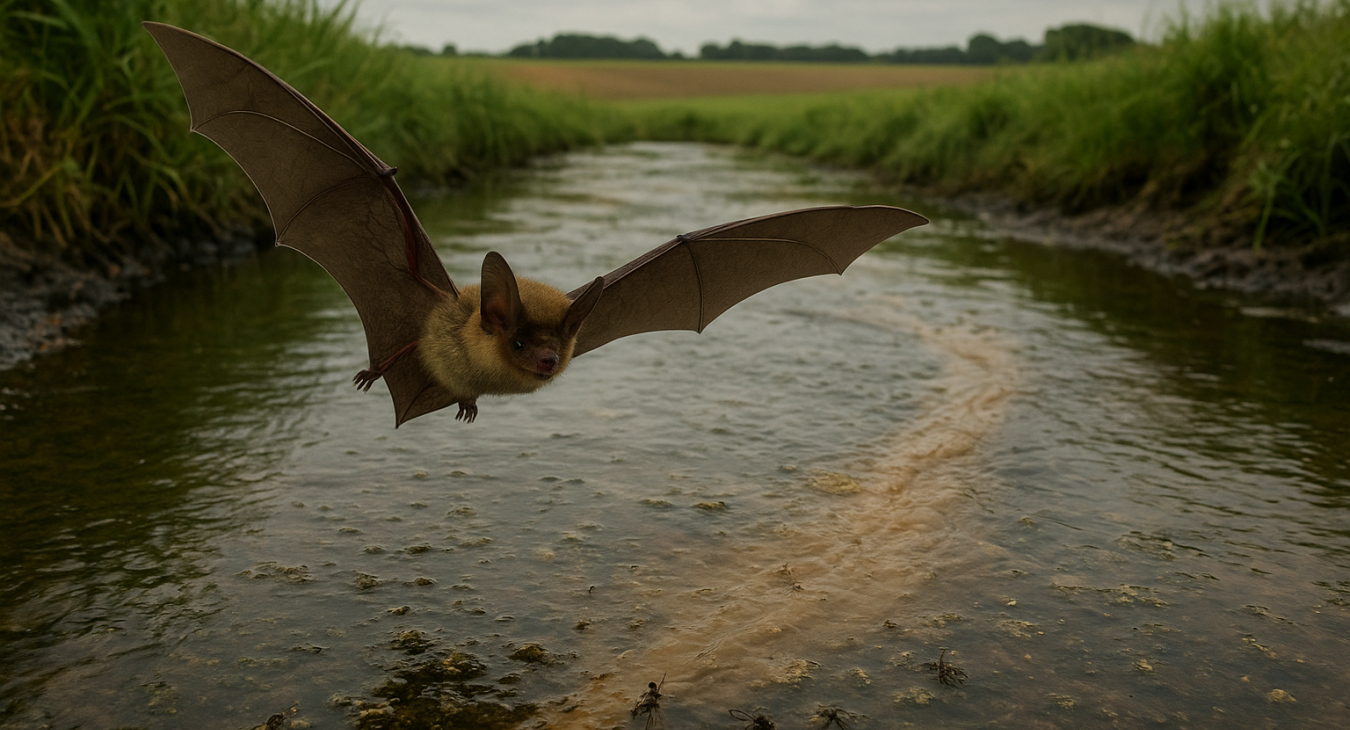
The Daubenton’s bat (Myotis daubentonii) is a fascinating creature, known for its unique feeding habits – skimming over water to catch aquatic insects. This small insectivore plays an important role in our ecosystem, but its population faces increasing threats, particularly from intensive farming practices prevalent in Denmark. The use of pesticides poses a significant danger to these bats and the delicate balance of their environment.
The Daubenton’s Bat: A Vulnerable Species
Daubenton's bats are relatively common across Europe, but local populations can be vulnerable. They rely heavily on undisturbed habitats near water sources like streams, ponds, and lakes. Their diet consists primarily of aquatic insects such as midges, mosquitoes, and other small invertebrates found in these waters. This specialized feeding strategy makes them particularly susceptible to environmental changes that affect insect populations.
The Impact of Pesticides on Insect Life
Intensive agriculture in Denmark utilizes a wide range of pesticides and chemicals designed to protect crops and increase yields. However, these substances don't just target unwanted plants; they also have devastating effects on insect life. When pesticides are applied to fields or enter waterways through runoff, they directly kill aquatic insects or disrupt their lifecycle. This reduction in food availability has a cascading effect on the Daubenton’s bat population.
Observed Hunting Behavior and Pesticide Pollution
Research indicates that both Daubenton's and Brandt's bats are observed to increase their hunting activity near streams which have higher levels of pesticide pollution. While scientists haven't definitively established a direct link between these bats’ foraging behavior and the availability of aquatic insects, the correlation is concerning. It suggests that even when insect populations appear present, they might be negatively affected by pesticides, leading to reduced nutritional value or overall health.
Multiple Pathways of Exposure
The threat extends beyond direct consumption of contaminated insects. Bats can also be exposed to pesticides through several other routes. These include inhalation of pesticide drift during spraying, contamination of roosting sites near agricultural fields, and even accumulation of toxins in the food chain as smaller organisms consume affected prey.
A Growing Concern – Official Recognition
The issue of pesticide exposure impacting bat populations isn't confined to Denmark or Europe. The United States government has also recognized this problem and conducted studies on the matter. While specific details about those investigations aren’t readily available, it underscores the global nature of the challenge.
What Can Be Done?
Addressing this threat requires a multifaceted approach involving farmers, policymakers, and conservationists. Promoting integrated pest management (IPM) techniques that minimize pesticide use is crucial. This includes utilizing biological controls, crop rotation, and other sustainable farming practices. Establishing buffer zones along waterways can help filter pesticide runoff before it reaches aquatic habitats.
Further Information
For more information regarding bat conservation in Denmark, or to report concerns about potential pesticide contamination, you may find useful resources from local environmental organizations. Contact details are often available through the Danish Environmental Protection Agency website. While a direct contact number for this specific issue is not readily publicized, general inquiries can be made through their public outreach channels. https://www.mst.dk/da
Looking Ahead
The future of the Daubenton’s bat in Denmark depends on a commitment to sustainable agricultural practices and a deeper understanding of the complex interactions within our ecosystems. Raising awareness among farmers, consumers, and policymakers is essential for protecting these valuable creatures and ensuring they continue to play their vital role in the environment.



