
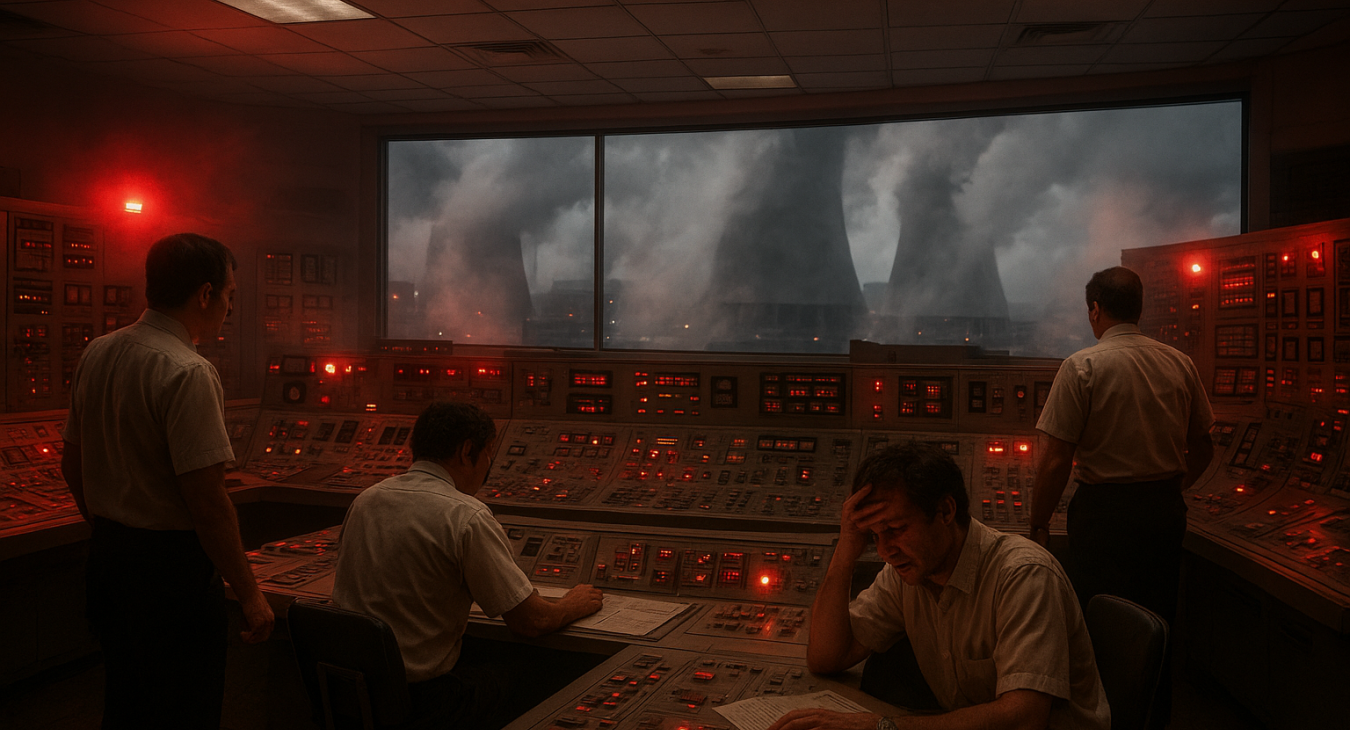
The partial meltdown at the Three Mile Island Nuclear Generating Station in Pennsylvania on March 28, 1979, stands as a defining moment in U.S. nuclear history. It was not merely an industrial incident; for many individuals, it became a deeply personal and sometimes frightening experience, highlighting both profound systemic failures and the resilience of those who responded.
Location and Context
The accident occurred at the Three Mile Island Nuclear Generating Station, situated on the Susquehanna River in Londonderry Township, Dauphin County near Harrisburg, Pennsylvania. This physical location played a significant role in the eventual response efforts and public concerns.
What Caused the Crisis? (A Technical Review)
The initial failure chain was complex and devastating. At 4:00 a.m., an unknown problem began with a feed pump stopping, preventing water from removing heat efficiently in the steam generator. Initially, all safety systems responded as designed, causing the Pilot-Operated Relief Valve (PORV) to open to manage pressure. The crisis intensified when, contrary to procedure, the PORV failed to automatically close even after the system's pressure dropped. This continuous release of steam and water created a severe Loss of Coolant Accident (LOCA).
The Human Element and Operator Experiences
During the crucial initial hours, control room operators faced an overwhelming barrage of alarms, leading to confusion. Several critical factors contributing to the severity included inadequate employee training and fundamental procedural errors. For instance, emergency feed pumps were found to have valves closed from a routine test performed days earlier, preventing necessary water flow into the core.
The Meltdown Sequence
As water continued to escape through the improperly sealed PORV, the reactor core slowly became uncovered. The lack of coolant caused extreme heating, leading eventually to partial melting of the fuel pellets—a feared but initially underestimated event at the time. This meltdown process also initiated a dangerous chemical reaction between the hot zirconium cladding and the residual water, producing combustible hydrogen gas. While subsequent analyses showed that an immediate explosion was unlikely due to the lack of oxygen in the reactor vessel, the threat caused widespread public concern and prompted significant evacuations.
Lessons for a Safer Future
The accident served as a powerful catalyst for change. It forced the entire nuclear industry to reassess safety standards, emergency procedures, and operator training protocols. The focus shifted toward improving communications in crisis situations and hardening infrastructure against single points of failure. The detailed review of these events remains an invaluable case study in industrial safety management.
The legacy of TMI is one rooted in continuous improvement, ensuring that while the inherent risks remain to be studied, the industry has implemented robust measures to protect both personnel and the public.
- Log in to post comments