
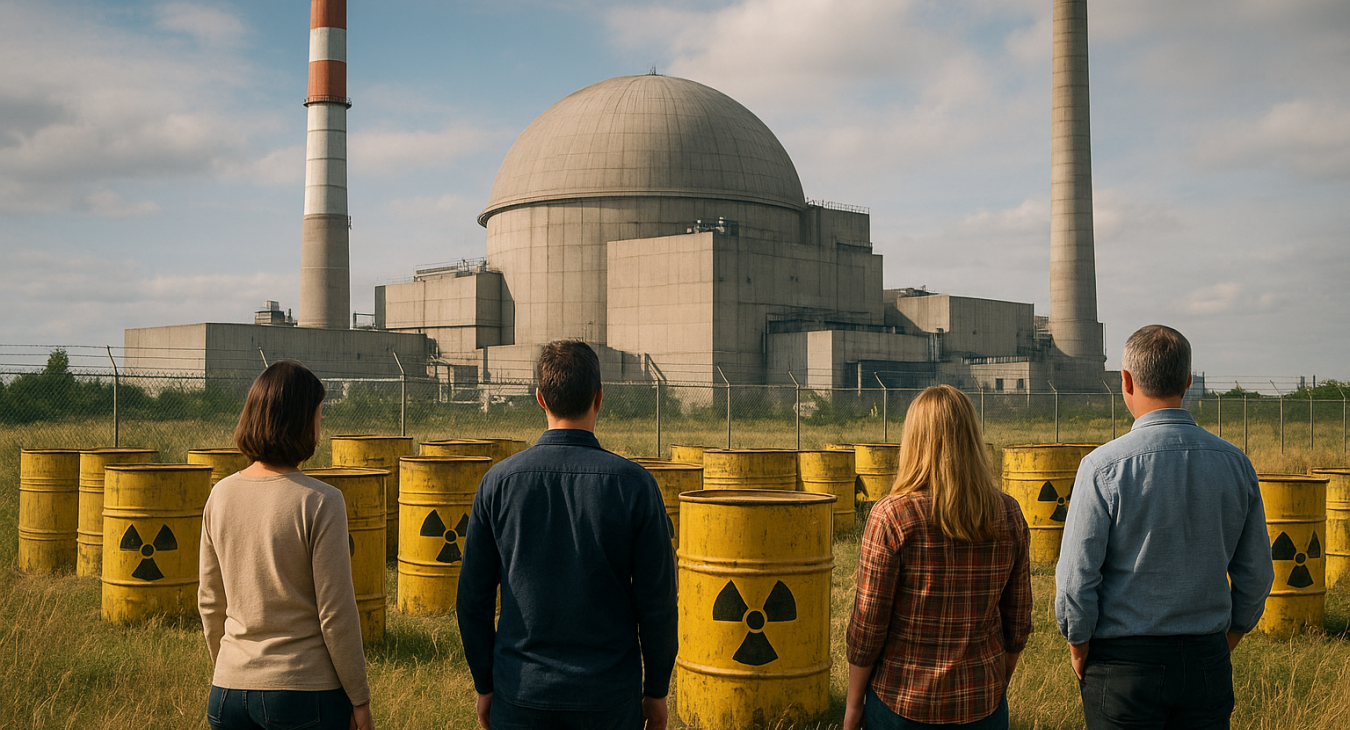
The Origin of Nuclear Reactor Waste and Its Hidden Dangers
Nuclear reactors around the world have long been celebrated for their ability to generate massive amounts of electricity with relatively low carbon emissions. Yet the byproduct of this energy generation process—nuclear waste—remains one of the most challenging and dangerous materials humanity must manage. What many people do not realize is that this spent nuclear fuel is not simply inert waste. Instead, it contains elements such as plutonium, which can be diverted for use in nuclear weapons, enabling a new generation of potentially deadly armaments.
The story of nuclear waste begins inside the reactor core, where uranium atoms split during fission, releasing vast energy. Over time, what remains includes both radioactive fission products and heavier elements like plutonium created during the process. While reactor operators usually store this spent fuel securely, the fact that reactor waste contains weaponizable materials often escapes public attention.
Real-Life Experiences: From Power Plant Workers to Security Experts
Take the experiences of nuclear facility workers who have witnessed firsthand the complexities of handling radioactive materials. For instance, a former technician at a major nuclear power plant recalls the daily protocols designed to ensure safety while managing spent fuel rods. They describe the strict surveillance around storage pools and dry casks, emphasizing the tension between effective energy generation and security concerns.
On the other side, international nuclear security experts often share insights from behind closed doors where discussions revolve around preventing nuclear proliferation. One expert recounts the challenge of tracking the movement of nuclear waste globally, noting that while many countries maintain rigorous standards, others may lack the resources or political will to enforce similar controls. This gap increases the risk that nuclear waste could be repurposed for weapon development, sometimes by non-state actors.
How Plutonium from Reactor Waste Enters Weapon Programs
The core risk lies in separated plutonium—a heavy metal present in spent nuclear fuel after irradiation. While plutonium produced for nuclear weapons is typically made in dedicated reactors, the plutonium inside used reactor fuel can also be chemically extracted through a process called reprocessing. Countries with civilian nuclear programs occasionally engage in reprocessing to recycle fuel or reduce waste volume. However, this process can also provide material suitable for weaponization if diverted for military use.
Historical cases illustrate these dangers. For example, after the Cold War, the dismantling of Soviet nuclear weapons produced significant amounts of plutonium that needed management. Some of this material was repurposed as mixed oxide (MOX) fuel for power reactors, showcasing a peaceful use. But concerns remained that unauthorized actors might still exploit reprocessing facilities or inadequately safeguarded waste stocks for illegal weapons production.
The Human Stories Behind Nuclear Waste Security
One striking human story comes from a scientist involved in non-proliferation efforts who recalls a visit to a storage site where hundreds of tons of spent fuel were held. She describes the emotional impact of seeing such dangerous material waiting for secure, long-term disposal. Her work involved negotiating international agreements to promote transparency and safeguard measures to block diversion attempts.
Similarly, communities living near nuclear waste storage sites bear their own set of concerns and hopes. Residents remember past protests and demand rigorous safety guarantees and accountability. Their voices highlight that the threat of nuclear weapons fueled by reactor waste is not just technical or political—it is profoundly personal and local as well.
Emerging Technologies and Hope for a Safer Future
Despite these challenges, innovations and global cooperation offer a hopeful path forward. Advances in nuclear fuel designs aim to reduce plutonium production or render waste less suitable for weapons use. Additionally, international organizations like the International Atomic Energy Agency (IAEA) work tirelessly to monitor nuclear materials and help countries adopt best practices.
Multilateral treaties and frameworks further incentivize countries to commit to non-proliferation and safely manage nuclear waste. Educational outreach on the complexities of nuclear security is growing, fostering greater public awareness and informed dialogue.
The Importance of Vigilance and Engagement
Ultimately, preventing nuclear reactor waste from fueling deadly weapons is a shared global responsibility that involves governments, scientists, communities, and everyday citizens. Real people, from frontline nuclear workers to diplomats, play vital roles in this ongoing effort.
By understanding the true nature of nuclear waste and the stories behind its management, society can remain vigilant and supportive of measures that safeguard humanity. New generations of weapons are not inevitable, but vigilance and innovative cooperation are essential to ensure that nuclear power remains a source of energy instead of destruction.



