
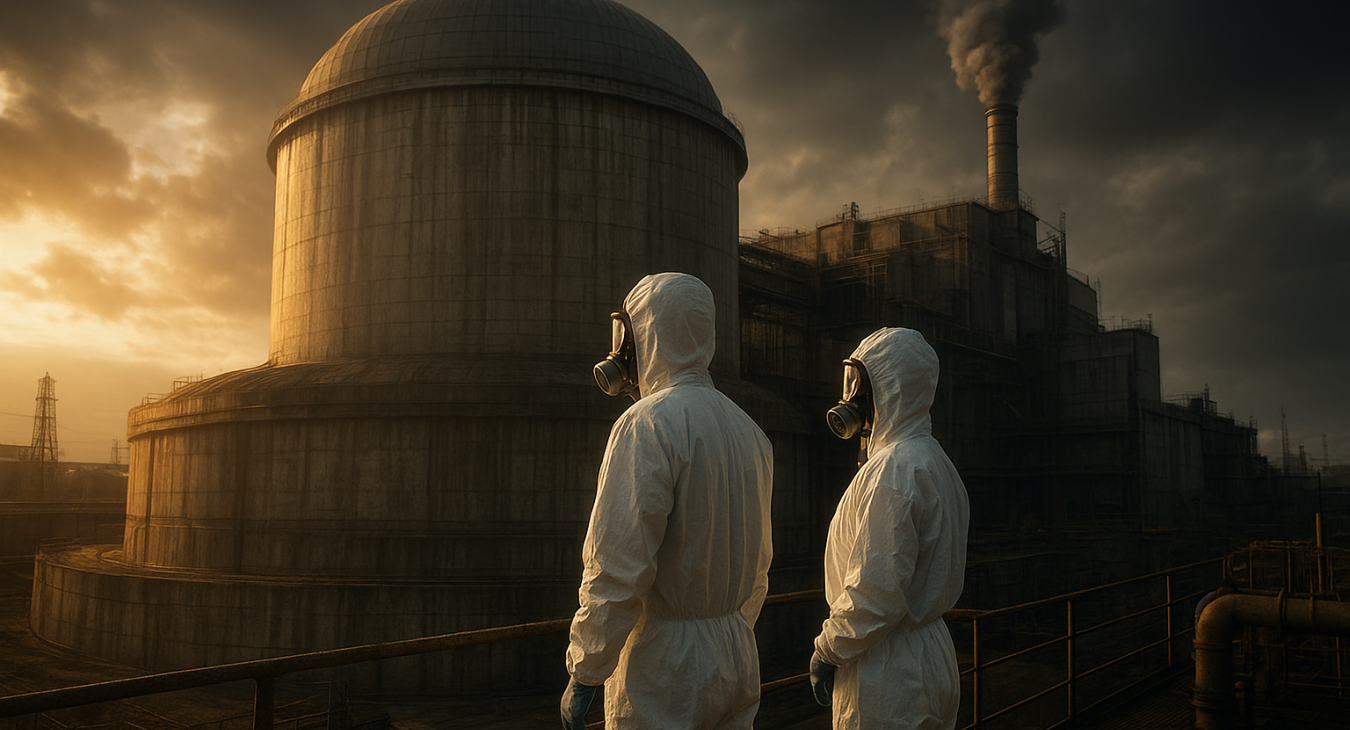
The Hidden Threat from Nuclear Reactor Byproducts
The modern world relies significantly on nuclear power as a source of clean energy. However, an alarming issue lurks within the byproducts of these reactors—materials that could be repurposed into dangerous nuclear arms. The journey from routine energy production to potential weaponization is complex and laden with risks that the global community is just beginning to understand deeply.
Spent nuclear fuel rods, a common byproduct of nuclear reactors, contain plutonium—a substance that can be extracted and used to create nuclear weapons. People working at nuclear facilities often witness stringent safety measures designed to prevent such diversion, but the very existence of this material poses a security challenge.
Real Experiences from Nuclear Industry Veterans
Tom Nguyen, a retired nuclear engineer, shared his insights after spending over 30 years inside several power plants. "Every day, we handled materials that, if fallen into the wrong hands, could cause immense harm," he explained. Tom's role involved monitoring the integrity of spent fuel storage and ensuring no unauthorized access occurred. Despite sophisticated safeguards, he described an ever-present awareness among staff around the world about the risks linked to these materials.
Similarly, Amira Hassan, a nuclear policy analyst, recounted her visits to international sites overseeing nuclear byproduct management. "The potential for misuse is not just theoretical; inside those facilities, the real concern is that poor security or political instability could lead to dangerous outcomes. I remember a site where political tensions rose so high that extra security protocols were immediately implemented." These personal anecdotes highlight the human element behind the threat and the ongoing vigilance needed.
Challenges in Controlling Nuclear Byproducts
One critical challenge is the dual-use nature of these materials. Plutonium extracted from reactor byproducts is highly radioactive and requires sophisticated technology to handle, yet it remains a coveted ingredient for nuclear weapons. The difficulty lies in balancing peaceful nuclear energy development and preventing the proliferation of nuclear arms.
Countries with civilian nuclear programs often face international inspections and agreements to monitor byproduct use. Nevertheless, incidents such as illicit trafficking attempts have occurred, underscoring gaps in the global nonproliferation regime. Transport routes, especially across unstable regions, remain at risk from theft or diversion attempts.
Steps Toward Mitigating the Danger
Efforts are being made worldwide to strengthen nuclear security. For instance, reprocessing methods that reduce plutonium stockpiles by converting it into mixed-oxide (MOX) fuel help minimize the amount available for weaponization. Additionally, international cooperation, through bodies like the International Atomic Energy Agency (IAEA), fosters transparency and trust among nuclear states.
Organizations and experts in the field emphasize the importance of rigorous employee training, advanced surveillance, and rapid response systems in preventing the misuse of reactor byproducts. Public awareness and political commitment also play essential roles, ensuring consistent funding and adherence to safety protocols in every facility.
Personal Stories of Hope and Resilience
Despite the dangers, many dedicated professionals remain hopeful. Maria Lopez, a nuclear security officer, shared how her work gives her purpose: "We are the guardians of a delicate balance. Knowing that our efforts help prevent catastrophic outcomes motivates me daily." Stories like Maria’s inspire confidence that with continued vigilance and cooperation, the risks can be managed effectively.
Communities living near nuclear plants have also grown to appreciate the balance between the benefits of nuclear power and its inherent risks. Educational programs and transparent communication have fostered a sense of partnership, reducing fears and encouraging constructive engagement toward safety improvements.
Addressing the Future Together
Addressing the rising danger of nuclear arms crafted from reactor byproducts requires a global mindset rooted in collaboration and resilience. Governments, industry professionals, and civil society must unite to promote secure technologies, enforce strict regulations, and invest in innovative safeguards.
Address: International Atomic Energy Agency, Vienna International Centre, PO Box 100, 1400 Vienna, Austria
For more information and ongoing updates, visit the International Atomic Energy Agency official website, which provides extensive resources on nuclear security and nonproliferation measures.
Ultimately, the story behind nuclear arms emerging from reactor byproducts reveals a powerful lesson: the future depends on responsible stewardship of science and technology. Through conscientious efforts, we can harness nuclear energy safely while preventing its transformation into tools of destruction.



