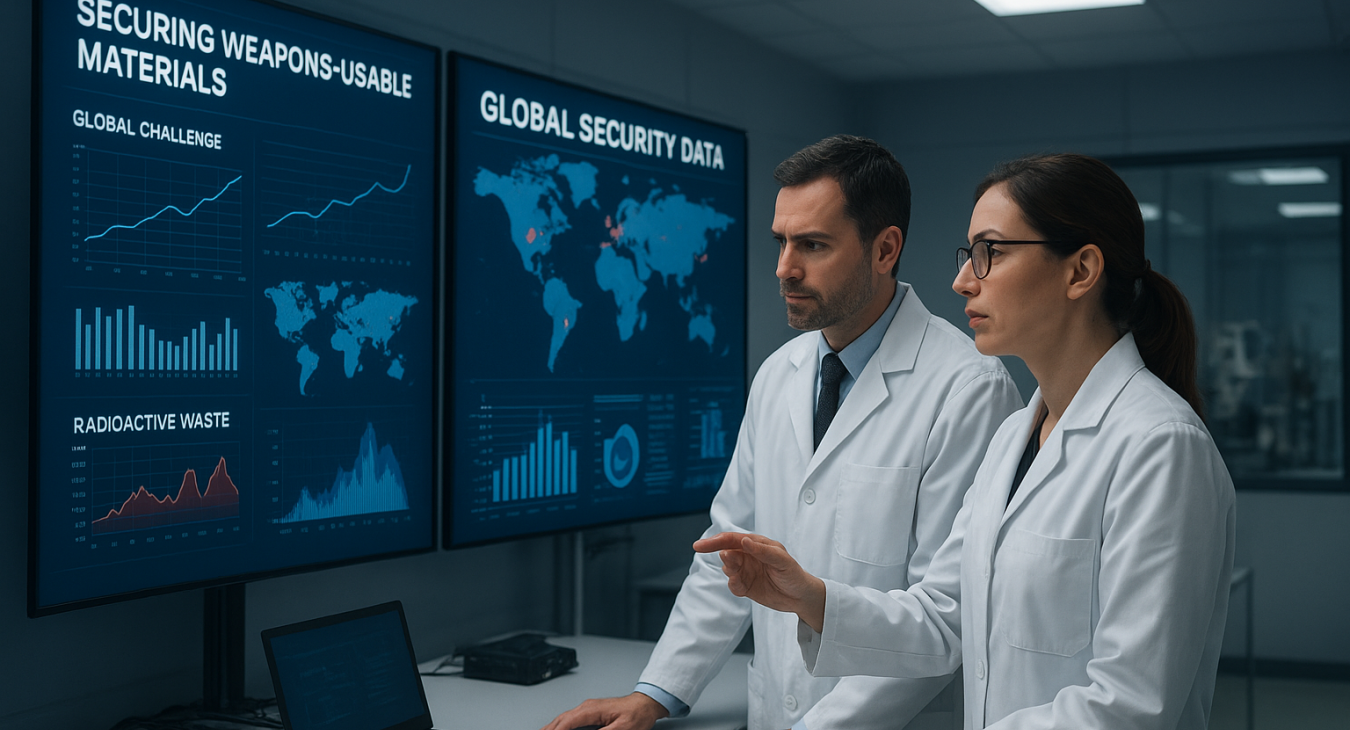
Introduction: A New Challenge in Nuclear Security
As the world progresses through 2026, the issue of nuclear weapons derived from reactor waste has become an alarming reality for governments, security experts, and civilians alike. While nuclear power has been lauded for its ability to reduce reliance on fossil fuels and mitigate climate change, the byproduct of these reactors—used nuclear fuel—presents an unexpected and dangerous pathway for proliferation. This emerging threat impacts not only global security but personal lives worldwide, prompting more urgent discussions around nuclear waste management and non-proliferation efforts.
Understanding Reactor Waste and Its Risks
Nuclear reactors generate electricity by splitting atoms, a process that produces radioactive waste known as spent nuclear fuel. Although most spent fuel is securely stored, it still contains plutonium—a material that can be extracted and repurposed for nuclear weapons. This dual-use dilemma has long been recognized, but recent technology advancements and geopolitical tensions have made the threat more tangible.
Over the past few years, intelligence agencies have reported increased attempts by non-state actors and some rogue nations to acquire reactor waste for weaponization. These alarming developments highlight the vulnerabilities in the handling and safeguarding of nuclear materials across several countries.
Personal Stories from the Frontlines
Maria Sánchez, a nuclear safety specialist working in Spain, shared her firsthand experience with the tangible concerns surrounding reactor waste storage. "When I first joined the storage facility team, I was overwhelmed by the responsibility. These wastes are not just numbers or data points—they contain the potential for destruction if mishandled," she explained. Maria's story resonates as she and her colleagues continuously upgrade security protocols to thwart any attempts to illicitly access reactor waste.
Similarly, in South Korea, former intelligence officer Lee Min-jun recounted his role in intercepting suspicious shipments linked to reactor waste. "The stakes are incredibly high. When we discovered components that could be diverted for weapon-making, it was a wake-up call to strengthen surveillance and international cooperation," Lee said. His efforts underscore the complicated balance between peaceful nuclear energy use and preventing proliferation.
Global Efforts to Contain the Threat
International bodies like the International Atomic Energy Agency (IAEA) have ramped up their monitoring and assistance programs in response to this growing concern. The IAEA provides technical guidance and promotes transparency measures to ensure spent fuel remains stored in strictly controlled environments. Governments are also emphasizing the development of advanced reprocessing technologies that minimize plutonium separation, reducing the risk of misuse.
One recent success story is the collaboration between the United States and Norway on improved spent fuel detection systems, designed to catch illicit transfers early. Such initiatives build trust and help uphold nuclear security worldwide.
Hope Through Innovation and Collaboration
Amid these challenges, there is optimism within the nuclear science community that innovations will allow safer management of reactor waste. Researchers are exploring options like deep geological repositories, which safely isolate spent fuel for thousands of years, far beyond the reach of unauthorized actors.
Emma Clarke, a researcher in Canada focusing on nuclear waste encapsulation, emphasizes the human dimension: "Our work is not just about technology. It's about protecting future generations from the dangers posed by today’s radioactive materials. Every advancement brings us closer to a safer world." Her dedication highlights the positive impact individuals can make in addressing this complex issue.
Community Awareness and Education
Increasing public understanding of the nuclear waste threat is vital for building resilience. Through workshops, public lectures, and media engagement, experts like Maria and Emma advocate for better community awareness without fostering undue fear. Their approach ensures that people remain informed but hopeful about the scientific and regulatory efforts in place.
Encouraging local involvement in nuclear safety dialogues empowers citizens to support responsible policies and watchdog activities, creating a collective front against the misuse of reactor waste.
Conclusion: Navigating a Safer Future
The growing threat of nuclear weapons made from reactor waste remains a serious concern in 2026. However, the stories of dedicated professionals, advancing technologies, and international partnerships reveal a determined global response. With continued vigilance, innovation, and cooperation, there is genuine hope that reactor waste can be managed securely, preserving the benefits of nuclear energy while minimizing its risks.
For those wishing to learn more or get involved, visiting the International Atomic Energy Agency's official site offers valuable resources and updates: