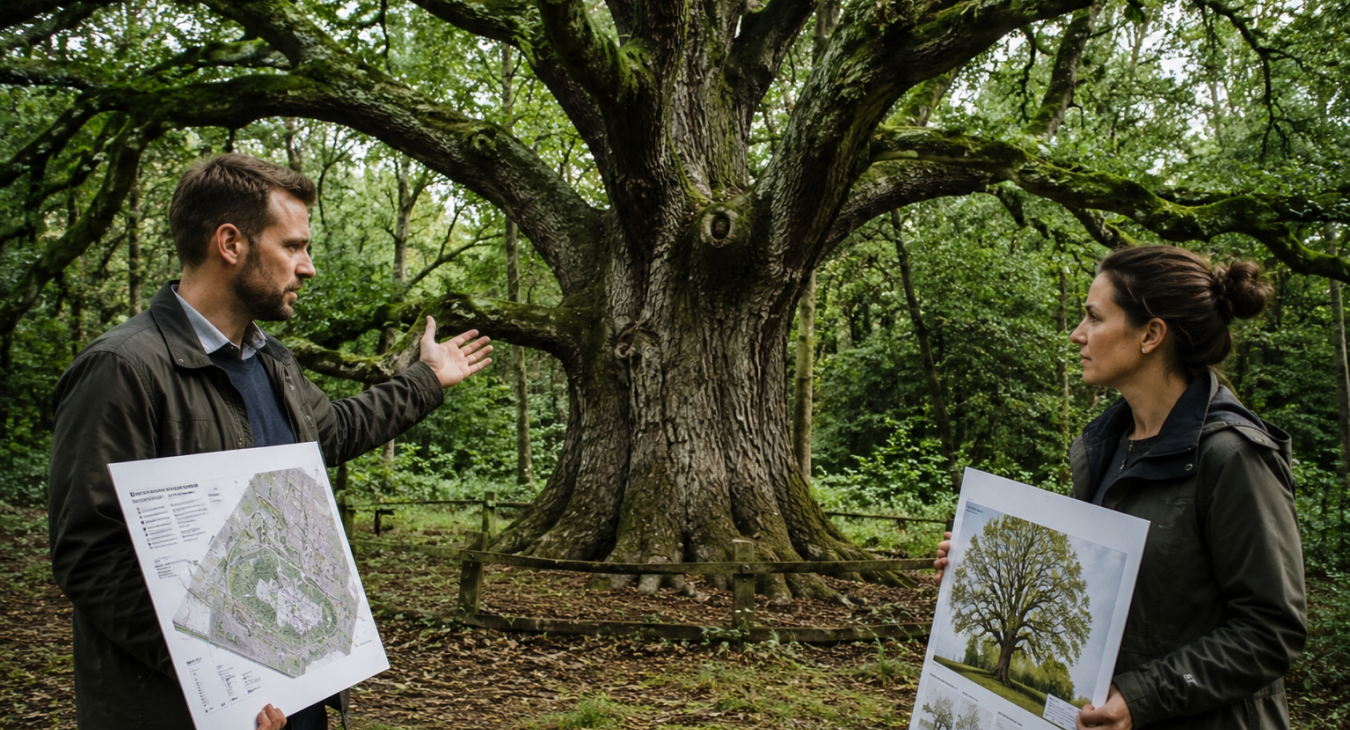
Felling old trees for development or timber often overlooks the critical ecological functions these ancient giants provide to the local environment. When an old tree is removed, a complex network of habitats supporting numerous species is destroyed instantly. This removal leads to immediate consequences for wildlife such as bats and insects that rely on specific features found only in mature forests.
The Danish Nature Protection Act protects birds and bats because they play vital roles in the ecosystem. It is illegal under this legislation to fell trees with active bird nests, woodpecker holes, or bat roosts without special permits or exceptions from authorities. This legal framework ensures that these trees serve as refuges for diverse species.
Old growth environments provide essential resources such as the Aaby Egekrat in Store Vildmose where trees are left untouched so they can age and die naturally. These aging trees become habitats for fungi and insects because their decaying matter provides a rich nutrient base. The preservation of these areas allows natural processes to occur without human interference.
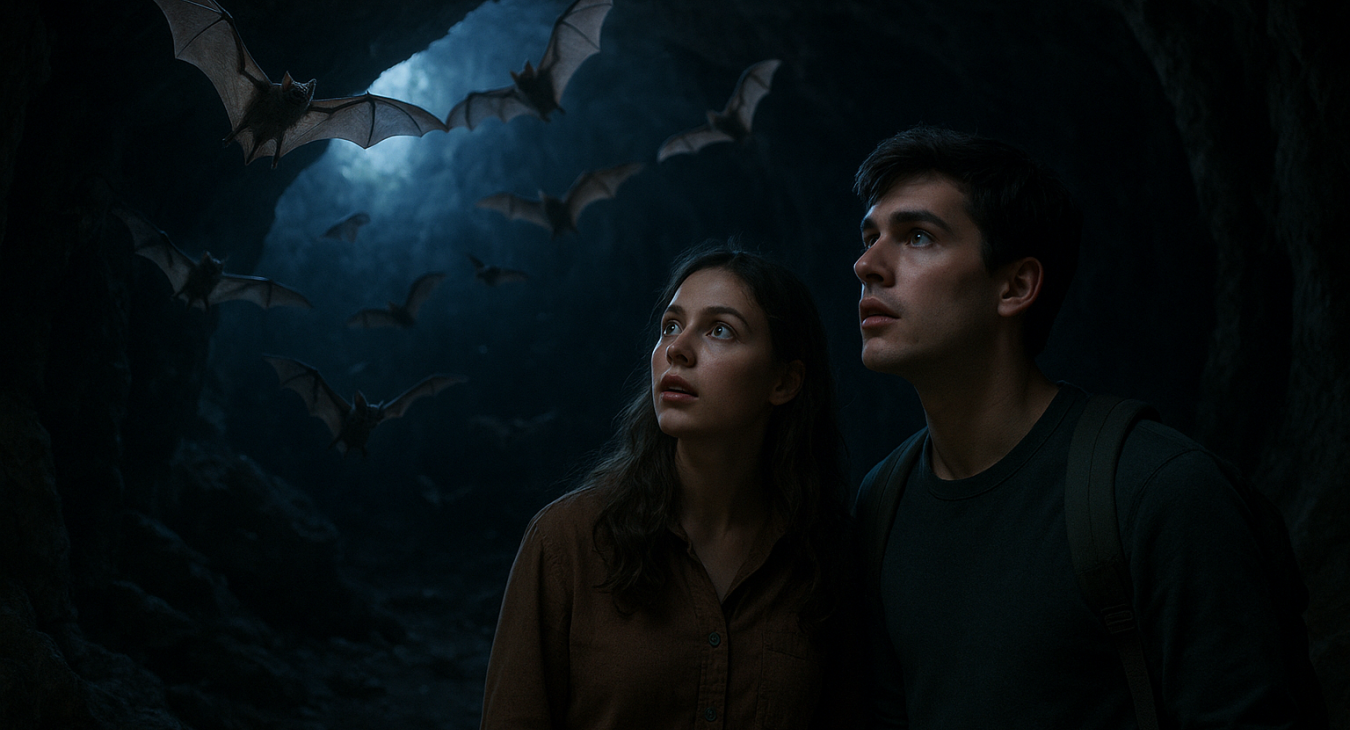
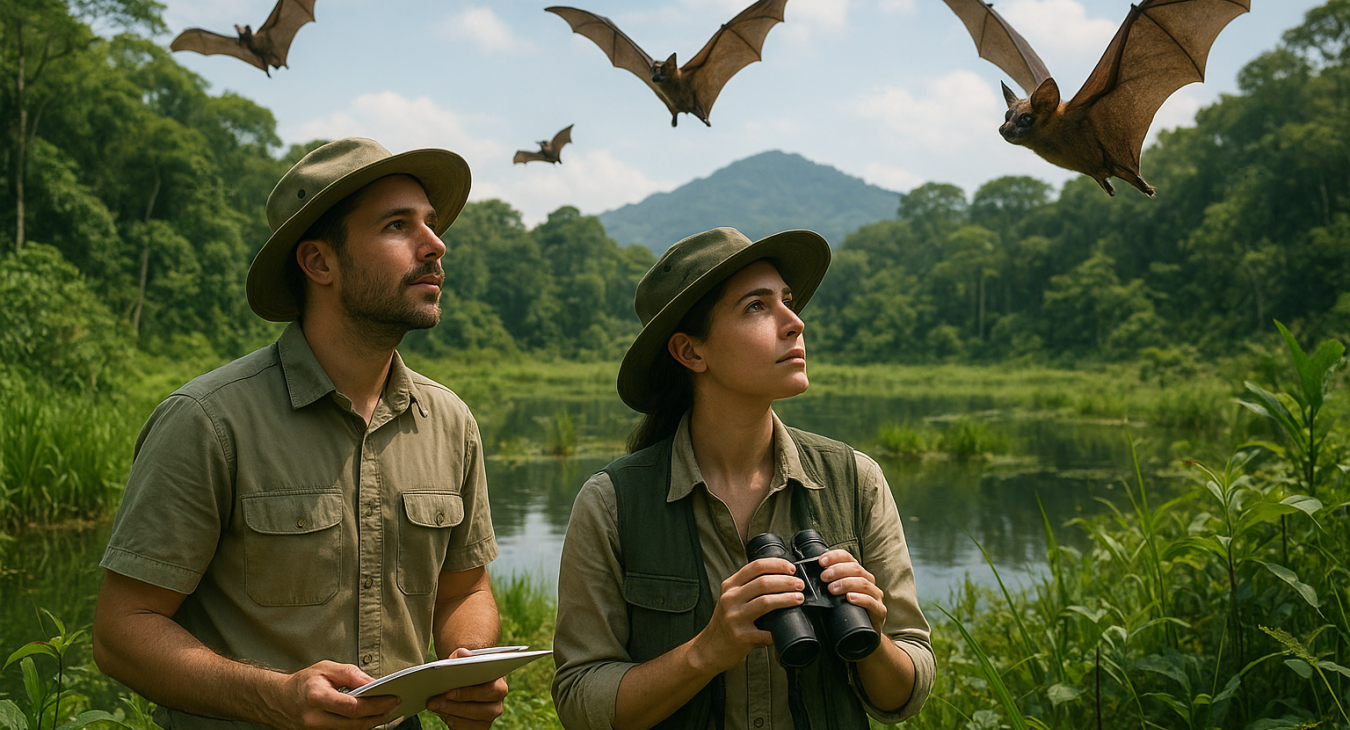
Bats experience significant population declines when old trees are removed since bats frequently use the cavities in these trees as roosts. During periods like spring, female bats catch insects throughout the night to produce milk for their young which increases the demand for these habitats. When suitable roosting sites disappear from the landscape due to tree felling, bat populations can suffer significantly.
The removal of old trees disrupts the lifecycle of many insect species especially those that thrive in dead wood because larvae rely on decaying matter for food. In areas where old trees are removed instead of being allowed to age naturally the population of these insects may dwindle but some types of larvae may still bloom elsewhere if suitable conditions persist. Maintaining mature forests ensures a steady supply of and habitat for various insect species including those that act as natural pest control agents.
The destruction of biodiversity in old forest environments results from human activities such as urban development or agricultural expansion which often prioritize short-term goals over long-term ecological stability. When trees are cut down the local ecosystem loses a critical component because older trees offer unique services like carbon sequestration and habitat for sensitive species that cannot survive in new plantations. Restoring these habitats requires active management plans to ensure that old trees remain protected from human activities.
Sustainable forest management practices include preserving old growth areas where trees can age naturally without human interference. These practices are designed to maintain the integrity of mature forests so they provide benefits for various species and humans alike over the long term. When these practices are followed, local ecosystems become more resilient because older trees contribute significantly to the biodiversity and stability of natural environments.
When old trees are felled incorrectly without regard for their ecological value, other organisms suffer significant damage because many species rely on specific features found only in mature forests like dead wood or cavities. The loss of these homes has cascading effects across the ecosystem because it affects food webs and populations of numerous wildlife species that depend on healthy forest environments. Protecting old growth areas is essential to ensure a diverse and healthy environment for local ecosystems including both humans and animals.