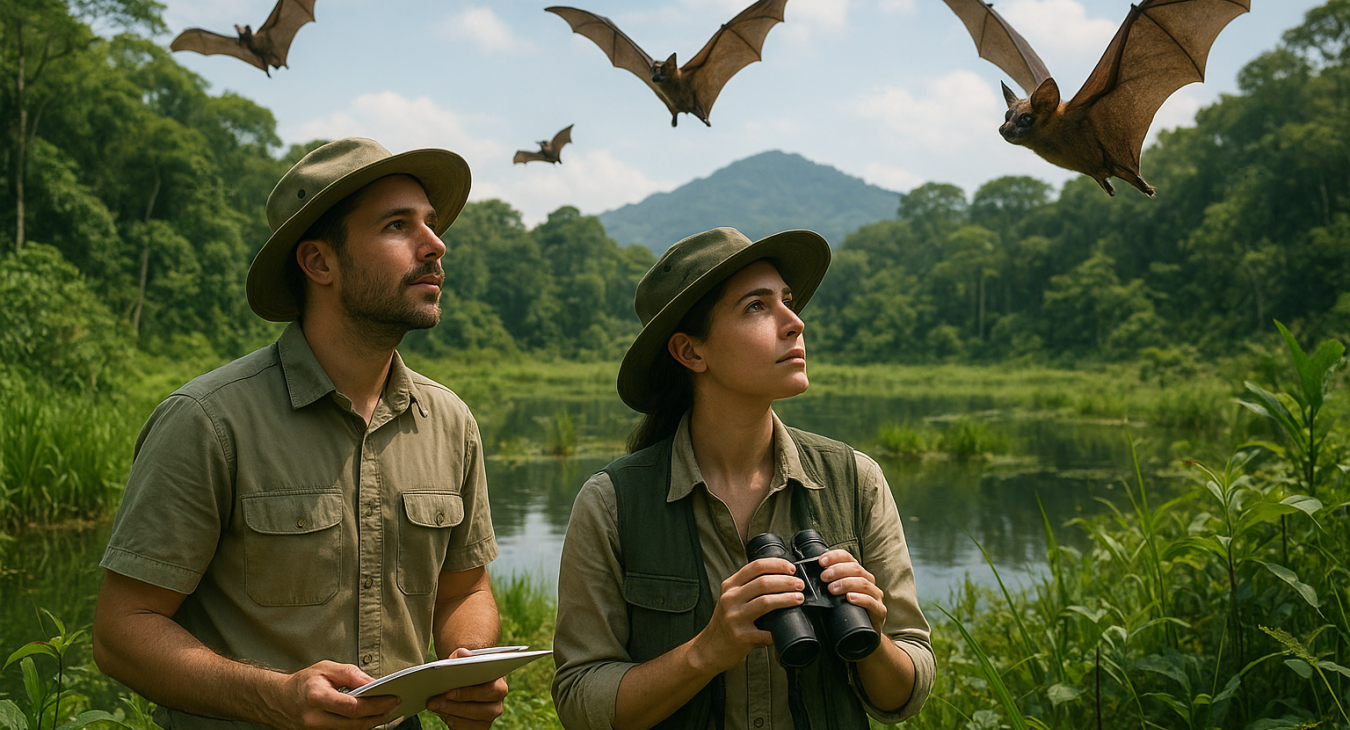
The year 2026 marks a critical juncture for global biodiversity, where the preservation of small mammals like bats becomes paramount to ecological stability. These nocturnal creatures, often misunderstood by the general public, serve as cornerstone species that maintain the balance of our natural world. From the dense rainforests of the Amazon to the agricultural fields of North America, bats perform tasks that are indispensable for human survival and environmental health.
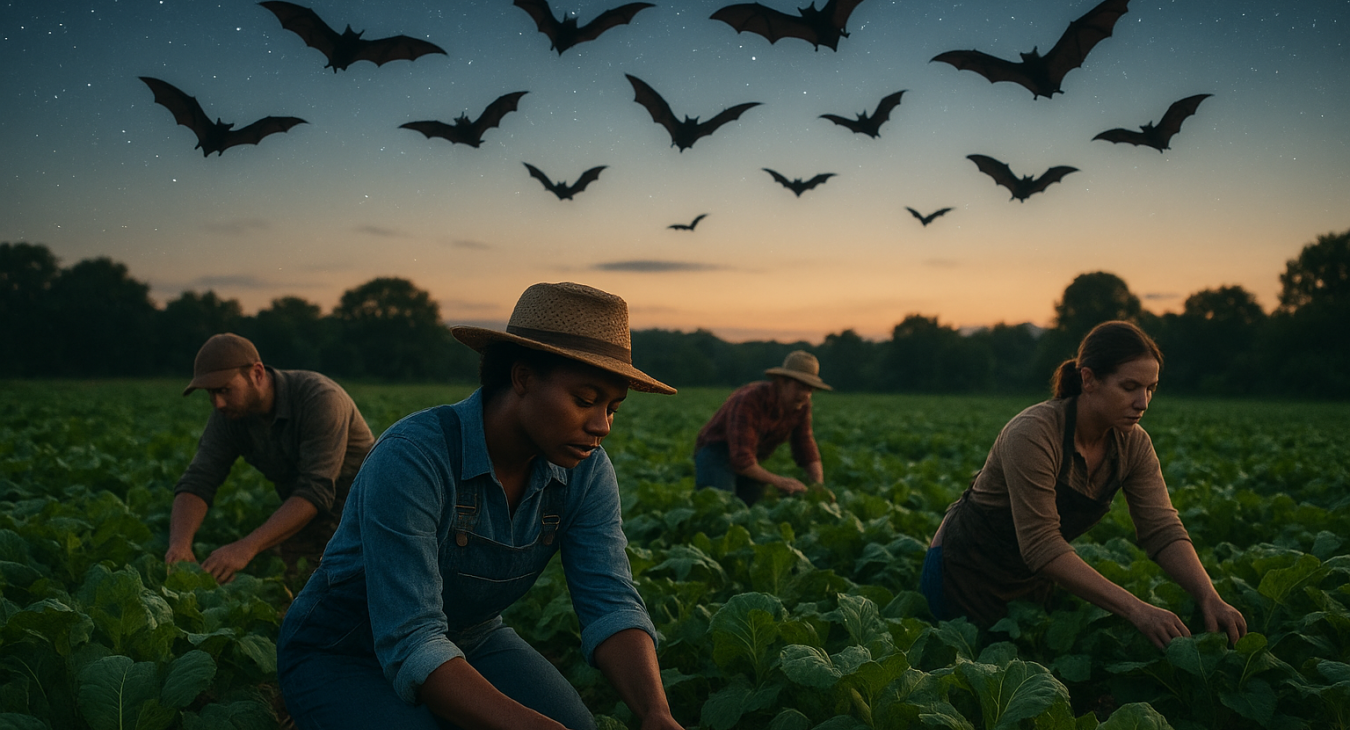
One of the most significant contributions made by bats is their role in insect control. As formidable predators, they consume vast quantities of insects every night, including pests like mosquitoes and moths that can damage crops or spread diseases. For example, a single bat species might consume thousands of insects during its active period, significantly reducing the need for chemical pesticides in farming operations. This natural pest management is vital for maintaining healthy soil and water systems while protecting human health from insect borne illnesses.
Pollination Services Provided by Bats
Bats are among the most important pollinators on Earth, particularly for plants that bloom at night. In many tropical regions, bats facilitate the reproduction of diverse flora including agave and various species of cacti. Their unique foraging behaviors ensure that pollen is transferred between distant plants, promoting genetic diversity within plant populations. This pollination service is essential for maintaining healthy forests and supporting a wide range of other wildlife species that depend on these plants for food and shelter.
Seed Dispersal and Forest Regeneration
Many trees and shrubs rely on bats to disperse their seeds across large distances. By consuming fruits and then traveling long distances before excreting the seeds, bats ensure that new plants can grow in different locations. This process is crucial for forest regeneration and maintaining healthy plant communities. In some regions, bats are responsible for dispersing the seeds of many native tree species, which helps to maintain biodiversity and prevent monocultures from forming.
The role of bats as seed dispersers is particularly important in areas where other animals like birds or monkeys might be less active or absent. By providing this service, bats help to ensure that forests remain healthy and diverse over time. Their ability to travel long distances allows them to disperse seeds far from the parent plant, which can reduce competition for resources and promote a more balanced ecosystem.
Biodiversity Protection through Bat Activity
Bats are integral to maintaining biodiversity by supporting various other species that depend on their activities. For instance, by controlling insect populations, bats help protect plants from damage while also providing food for other animals like birds and reptiles. Their role in pollination and seed dispersal also contributes to the health of plant communities, which in turn supports a wide range of other wildlife species. By maintaining these healthy ecosystems, bats play a vital role in supporting biodiversity across different habitats.
The preservation of bat populations is therefore essential for maintaining healthy ecosystems and protecting global biodiversity. As we move into 2026, it is crucial to recognize the importance of bats and take action to protect them from threats such as habitat loss and pesticide use. By supporting conservation efforts and promoting a better understanding of bats, we can help ensure that these important creatures continue to play their essential roles in our environment.