A concerning development has emerged in Denmark as white-nose syndrome, a devastating fungal disease affecting bat populations worldwide, has been detected in caves within the Jutland region. This marks a significant expansion of the disease’s presence within Europe and poses a serious threat to Denmark's already vulnerable bat species.
What is White-Nose Syndrome?
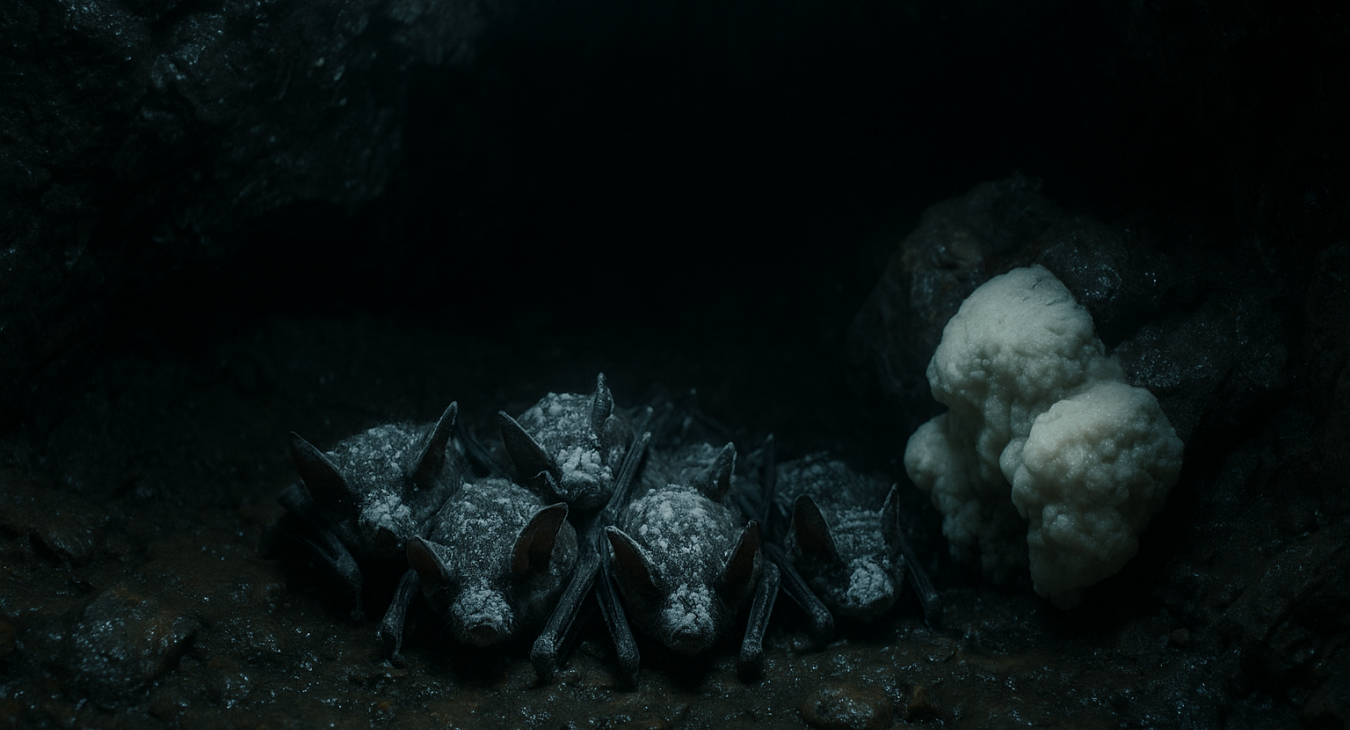
White-nose syndrome (WNS) is caused by the fungus Pseudogymnoascus destructans. This invasive fungus thrives in cool, humid environments like caves and bat roosts. The disease gets its name from the white fungal growth that appears on the muzzles, ears, and wings of infected bats. While the fungus itself may not always be directly lethal, it disrupts their hibernation cycles. Infected bats deplete their fat reserves prematurely as they wake up more frequently during winter to groom away the fungus, leading to starvation and ultimately death.
The Global Impact
WNS first emerged in North America around 2006 and has since decimated bat populations across the United States and Canada. Millions of bats have perished due to this disease, leading to significant ecological consequences. The fungus is believed to have originated in Europe or Asia and was likely introduced to North America unintentionally.
Arrival in Europe
While WNS has been present in several European countries for some time, its recent detection in Jutland represents a worrying progression. It initially appeared in Eastern Europe and then spread westward. Its arrival in Denmark highlights the ongoing risk of further dissemination across the continent.
Impact on Danish Bats
Denmark is home to several bat species, including the greater horseshoe bat (Rhinolophus ferrumequinum), lesser horseshoe bat (Rhinolophus hipposideros), and the brown long-eared bat (Plecotus auritus). These species are already facing challenges such as habitat loss and pesticide exposure. The introduction of WNS adds another layer of stress, potentially leading to significant population declines if not effectively managed.
Monitoring and Response
Following the confirmation of WNS in Jutland caves, Danish authorities have initiated intensified monitoring programs. These efforts involve regular inspections of known bat roosts and cave systems to track the fungus’s spread and assess its impact on local bat populations. Scientists are working diligently to understand the specific characteristics of the disease strain present in Denmark and how it interacts with the native bat species.
Preventing Further Spread
Containment is crucial to limit the spread of WNS. Measures being implemented include restricting access to caves, particularly during hibernation season, and requiring decontamination protocols for anyone entering these sensitive areas. Public awareness campaigns are also underway to educate people about the risks and how they can help prevent further transmission.
Scientific Research
The United States Geological Survey (USGS) plays a vital role in researching WNS, including monitoring bat populations, assessing disease impact, developing detection tools, and working on management strategies to reverse population declines. Their findings are often shared internationally to aid in global efforts to combat the disease.
Contact and Further Information
For further information regarding white-nose syndrome in Denmark and ongoing conservation efforts, you can contact the Danish Environmental Protection Agency (Miljøstyrelsen). While a direct phone number is not readily available publicly, general inquiries can be made through their website or by contacting them via email. You may find additional resources and updates on bat conservation in Denmark at https://mst.dk/da. You can also follow the USGS’s work on White-Nose Syndrome here: https://www.usgs.gov/natural-resources/invasive-species/white-nose-syndrome.