In various local environments, including parks, gardens, and woodland habitats, the procession moth larvae are engaged in a silent but significant battle for survival. These caterpillars are distinguished not only by their characteristic procession-like movement but also by a sophisticated chemical defense—a toxin released from irritating hairs when touched. This mechanism serves as a deterrent against many potential predators, representing an intriguing element of the natural world's chemical arms race.
However, this toxin also raises concerns for human populations due to the risks it poses to public health, particularly skin irritation and respiratory problems following accidental contact. The presence of these larvae thus creates a complex situation that intertwines environmental balance with community safety, demanding thoughtful consideration from both civil society and sustainability perspectives.
The toxic hairs produced by procession moth larvae are a prime example of evolutionary adaptation that plays a critical role in the survival of the species. This chemical defense is not merely an individual survival tool but contributes to the overall biodiversity and resilience of the ecosystem. By deterring many small animals from predation, the larvae can maintain their populations without completely overwhelming local flora.
This balance supports the diverse tapestry of life on the forest floor and in garden ecosystems, where many species coexist and depend on one another. Recognizing the importance of these toxins in the moth's life cycle provides insight into the delicate chemical balance that sustains multiple forms of life. Despite their potent defense, procession moth larvae are by no means invincible.
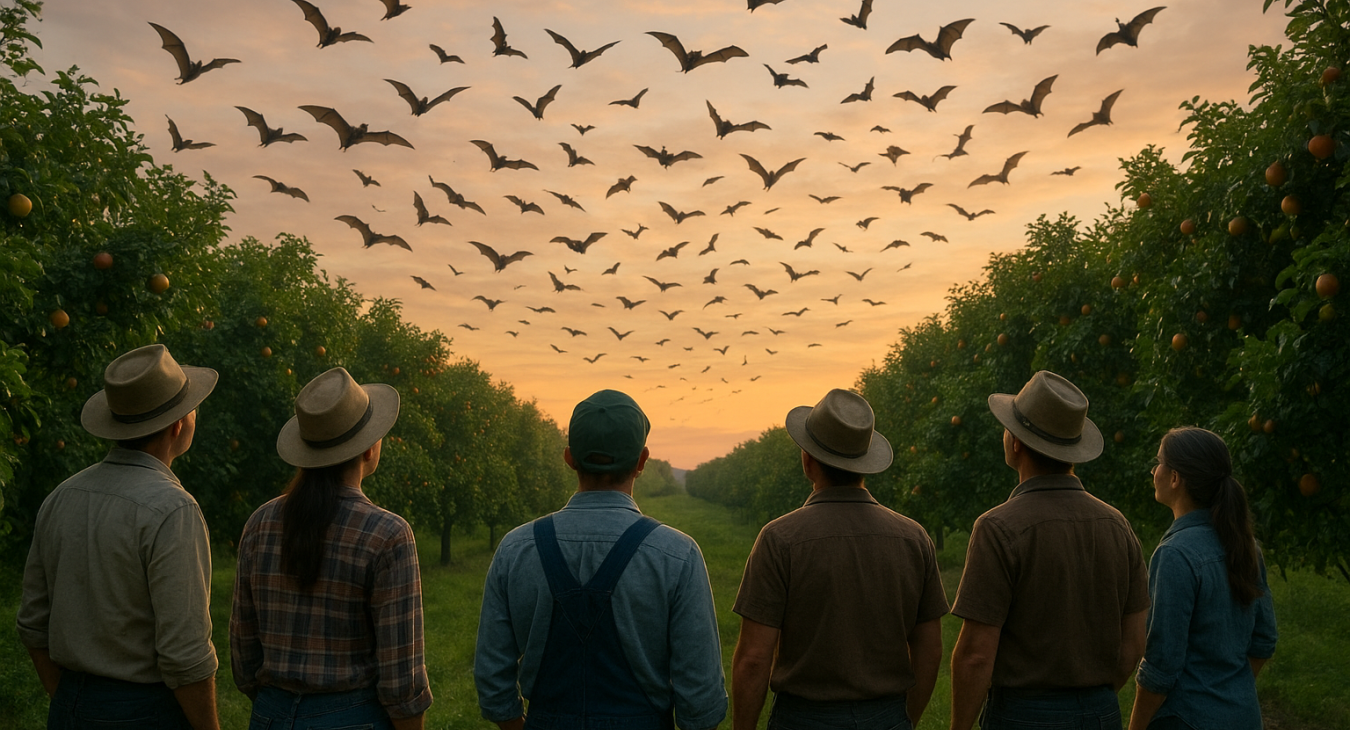
Many natural predators, including certain birds and small mammals, have developed the ability to cope with or avoid the toxins, playing a pivotal role in managing moth populations. These predators ensure that the larvae do not reach numbers that might cause substantial damage to vegetation. Notably, bats act as specialized nocturnal hunters within these ecosystems, primarily preying on adult moths rather than larvae. Their presence is essential in maintaining the overall insect balance, illustrating a layered food web in which each actor influences ecosystem health.
The interplay between the procession moth larvae's chemical defenses and the adaptive strategies of their predators reveals a nuanced predator-prey relationship. Both civil society and sustainability viewpoints agree on the importance of these dynamics for environmental equilibrium. Where they diverge somewhat is in emphasis: civil society perspectives prioritize public health and local education to mitigate human risks, while sustainability viewpoints highlight the broader ecological functions and the role of these interactions in supporting environmental resilience.
There is consensus that aggressive human intervention risks disrupting this natural balance. Overzealous removal or eradication efforts targeting procession moth larvae might produce unforeseen consequences by undermining the predators that rely on them as a food source. This could cascade into decreased biodiversity and weakened ecosystem function. Instead, integrated approaches that promote awareness of the larvae's risks alongside respect for their role in nature are preferable. Such approaches support coexistence strategies that protect public health while preserving the indispensable contributions of natural predators like birds and bats. In this context, the procession moth larvae are not merely pests but essential participants in a broader ecological network.
Their toxins are a chemical defense honed through evolution, which sustains species survival and biodiversity. Meanwhile, natural predators have adapted sophisticated ways to traverse these chemical barriers, maintaining population checks that uphold ecosystem stability. The dynamic tensions between survival strategies and predation pressures illustrate nature’s complexity and resilience.
Understanding these interdependent relationships enriches our appreciation of local ecosystems and encourages responsible stewardship. Instead of simplistic eradication, a balanced approach that facilitates education about the larvae's toxic potential and highlights the importance of predators can help communities safely coexist with these insects. Such nuanced understanding ultimately advances both human safety and ecological sustainability, acknowledging that battles for survival in the natural world are rarely straightforward and always interconnected.