Environmental Justice and the Crisis of Resilience in France's Wildfires
The Smoke of Inequality: Beyond the Macro-Level Response
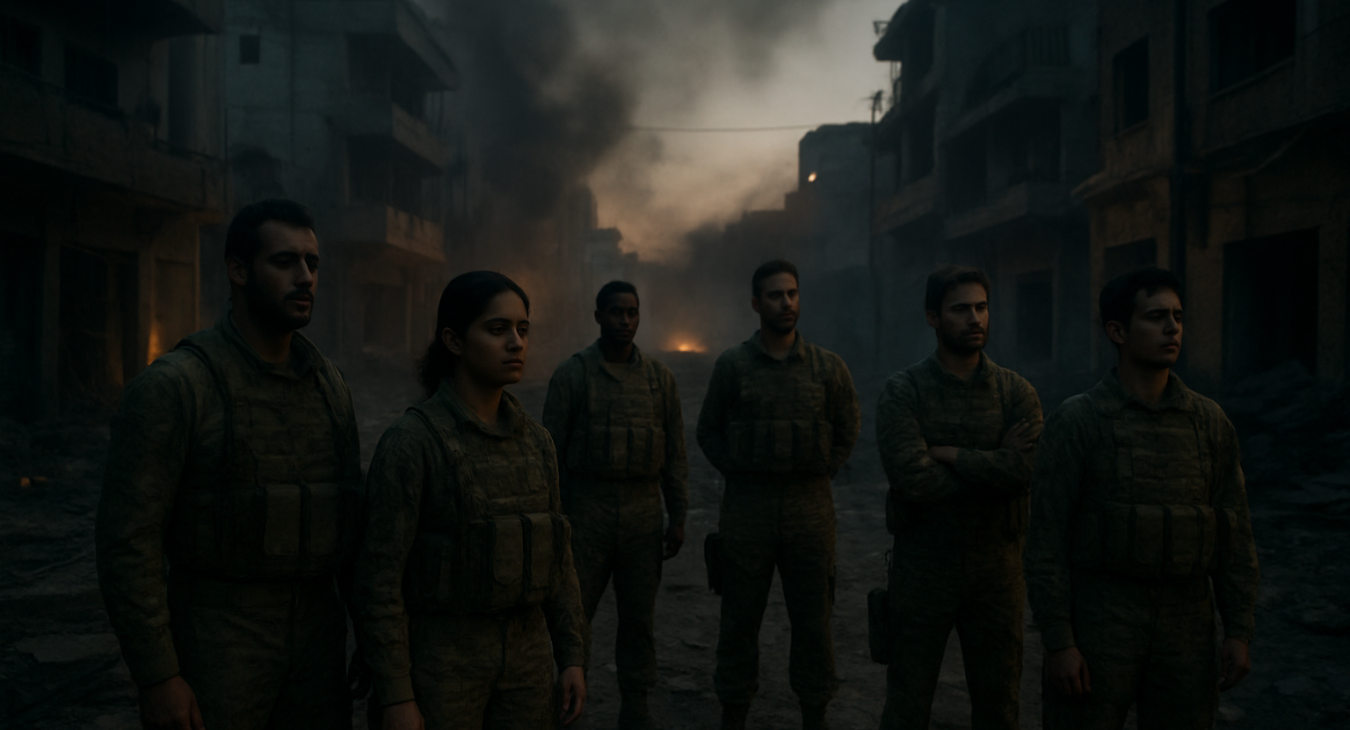
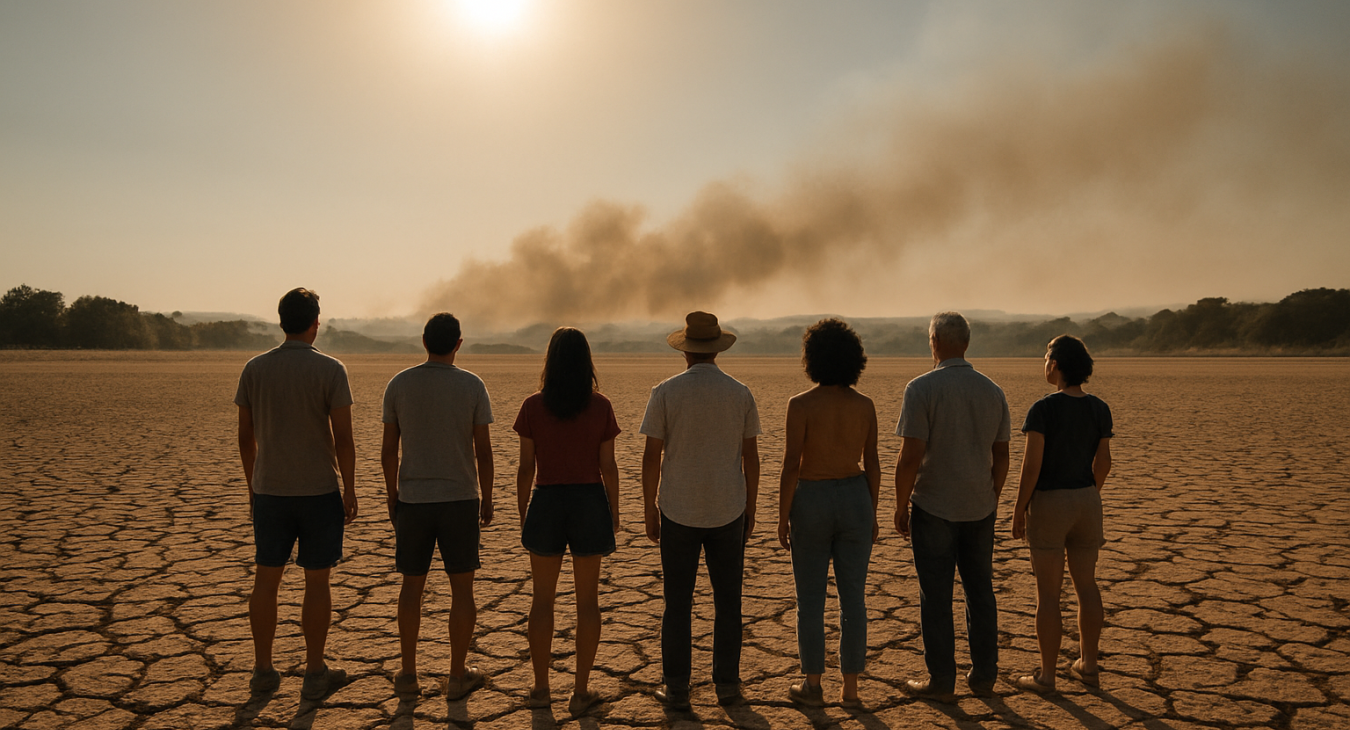
In the summer of 2026, as intense heat and prolonged drought swept across Southern France, the skies turned an apocalyptic orange. The activation of the European Union's civil protection mechanism marked a moment of high-level political coordination, with President Emmanuel Macron calling for international solidarity. However, while the macro-level narrative focuses on state-led emergency responses and the mobilization of cross-border assets, a more granular and troubling story is unfolding on the ground. Behind the headlines of mass evacuations are profound humanitarian disparities that call into question the equitable distribution of safety. As wildfires increasingly threaten the Mediterranean corridors of the Var and other sensitive regions, the crisis reveals that disaster impacts are not distributed equally across the social fabric.The Geography of Risk: Urbanization and Land-Use Transformation
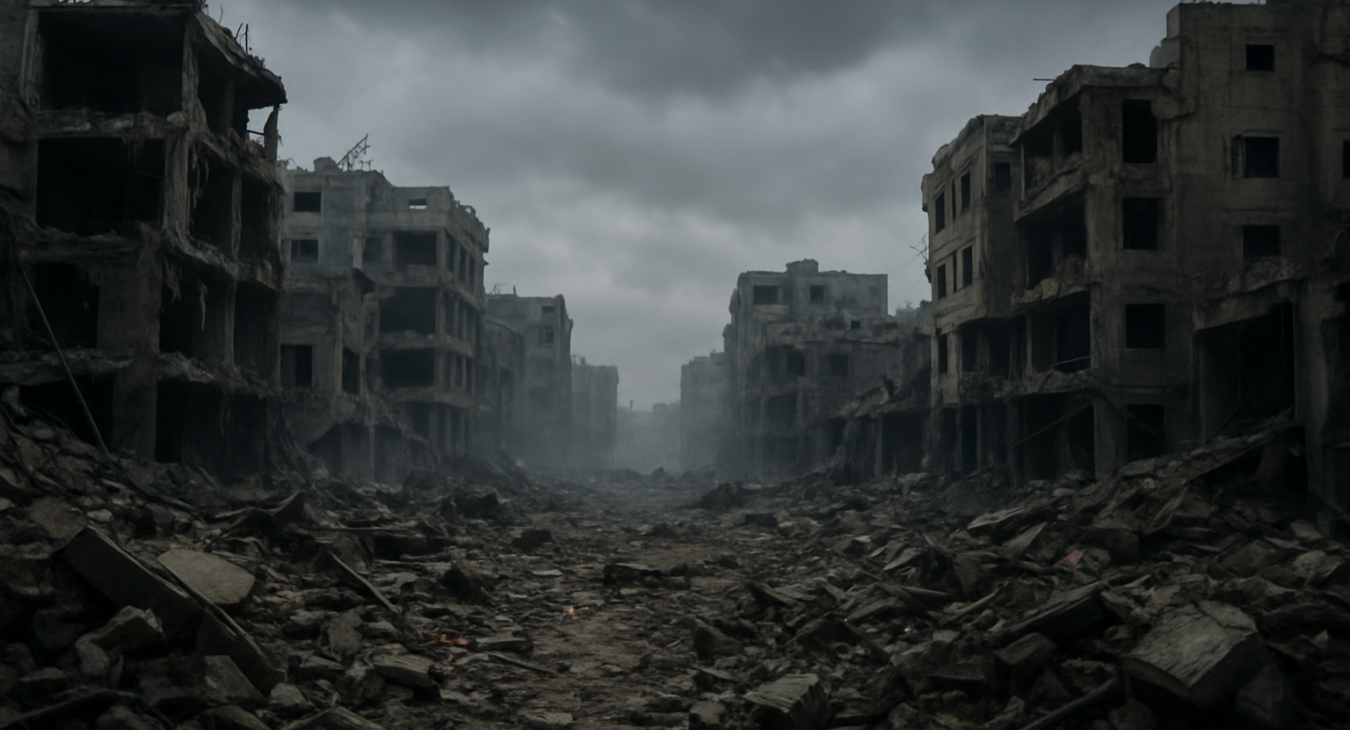
To understand the current volatility, one must look at the historical transformation of the Southern French landscape. The tension between traditional agrarian livelihoods and rapid urbanization has created a dangerous Wildland-Urban Interface (WUI). Decades of land-use changes have seen residential developments encroach upon Mediterranean forests and shrublands that are naturally prone to fire. This expansion has replaced fire-resilient traditional agricultural landscapes with fragmented patches of high-value real estate and tourism infrastructure. As the climate intensifies, this historical shift in land use has turned once-manageable seasonal fires into catastrophic events that threaten both the ecology and the socio-economic stability of the region.The Mobility Gap: Disparities in Evacuation Protocols
Emergency protocols are designed with a certain type of citizen in mind: those with reliable transportation, digital connectivity, and financial reserves. As mass evacuation orders are issued, a stark divide emerges. Affluent property owners, often residing in modernized villas, frequently possess the means to flee immediately and secure their assets. Conversely, marginalized populations face significant barriers to mobility. Seasonal workers in the agricultural sectors, many of whom may lack legal documentation or stable housing, often reside in precarious conditions that make rapid movement difficult. For these individuals, a sudden evacuation order is not just a logistical challenge but a threat to their legal status and immediate survival.Digital Isolation and the Information Divide
Modern disaster management relies heavily on digital communication, including mobile alerts and social media updates. This reliance creates a secondary layer of vulnerability for the elderly and those living in poverty. Low-income elderly residents, who may live in isolated rural pockets, often lack the digital literacy or the necessary hardware to receive real-time, high-fidelity emergency updates. When the state-led response relies on smartphone-centric notification systems, it inadvertently creates a hierarchy of information. Those without access to the latest digital tools are left in a state of information poverty, making them the last to know when they must flee, thereby increasing their physical risk during fast-moving fire events.Climate Gentrification and the Rebuilding Divide
As the frequency and intensity of these fires escalate, a phenomenon resembling climate gentrification is becoming visible. Disaster risk management policies often prioritize the protection of high-value real estate and economic hubs, such as tourism-centric coastal zones. This focus can lead to a reallocation of resources that favors wealthier demographics. When the time comes to rebuild, the socio-economic landscape dictates the outcome. Homeowners with comprehensive insurance and significant savings can navigate the complex bureaucracy of recovery, whereas renters and low-income residents often find themselves permanently displaced, their communities fractured by a disaster they had the least capacity to withstand.Critiquing Resilience: A Euphemism for State Abdication?
The term community resilience is frequently used in policy documents to describe the ability of a population to absorb and recover from shocks. While conceptually sound, there is a growing concern that the concept is being co-opted as a euphemism for shifting the burden of disaster management from the state to the individual. By framing survival as a matter of personal preparedness and community self-reliance, the state may be subtly abdicating its responsibility to provide a social safety net. If resilience is measured solely by how quickly a local economy recovers, rather than how well its most vulnerable members are protected, then the framework fails the very people it claims to serve.The Human Cost of Environmental Injustice
Environmental justice demands that no group of people should bear a disproportionate share of negative environmental consequences. The current wildfire crisis in France challenges this principle. When we examine the intersection of drought, extreme heat, and mass evacuations, we see that the socio-economic landscape determines who is saved, who is displaced, and who is left to rebuild alone. The struggle is not just against the fire itself, but against a structural reality where the most vulnerable are pushed to the margins of safety. Achieving true resilience requires moving beyond top-down evacuations toward a model that addresses the underlying socio-economic inequities that make certain populations inherently more at risk.Read more articles
English