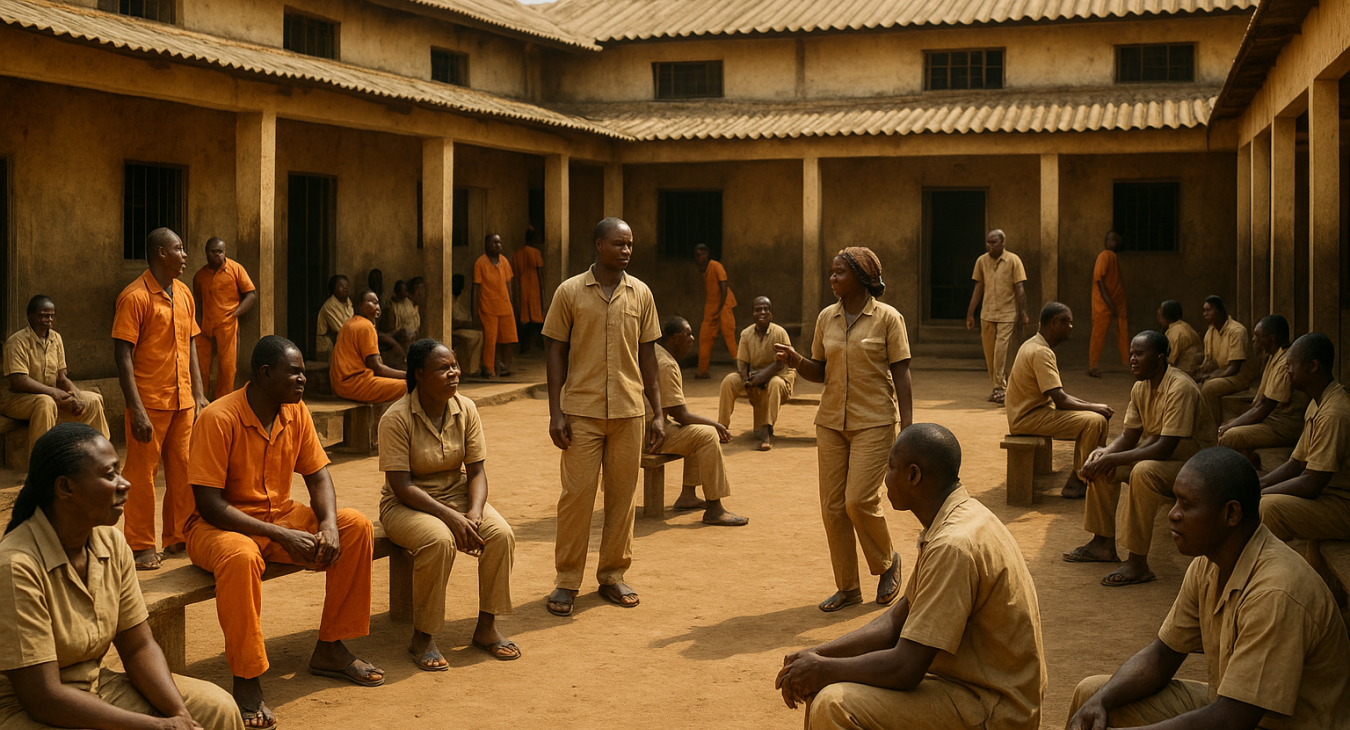
The Auditory Landscape of Cameroonian Carceral Life
Within the walls of Cameroon's correctional facilities, such as Ngoma Prison, a profound transformation is occurring through the medium of sound. Music, once a distant luxury, has become a focal point for rehabilitation efforts aimed at mitigating the psychological toll of imprisonment. These initiatives, often framed within the global framework of therapeutic jurisprudence, seek to use artistic expression to foster emotional regulation, self-confidence, and focus among inmates. However, as these programs expand from simple hobbyist groups to professional recording environments, they invite a deeper investigation into whether they serve as transformative agents for social reintegration or merely as sophisticated emotional bandages for a strained justice system.
The Rise of Professionalism: The Case of Jail Time Records
One of the most notable developments in this landscape is the emergence of Jail Time Records, which represents the first permanent recording studio situated within an African prison. Unlike traditional prison arts programs that focus on amateur recreation, this initiative functions as a collective of musicians, producers, and filmmakers. By offering training in specialized technical skills such as sound engineering, the program attempts to bridge the gap between incarceration and employability. The ambition is to move beyond the mere catharsis of song to provide detainees with vocational training that could, in theory, translate into economic survival in a volatile market upon their release.
Therapeutic Jurisprudence versus Structural Reality
The implementation of these programs is often justified through the lens of therapeutic jurisprudence, a concept that advocates for the integration of legal processes with psychological well-being. Proponents argue that music helps inmates process the trauma associated with criminal behavior and the subsequent loss of liberty. Yet, a critical analysis must weigh these individual benefits against the grim systemic realities of Cameroonian prisons. Reports frequently highlight extreme overcrowding and unsanitary conditions that define the daily existence of detainees. There is a valid concern that well-intentioned music programs might inadvertently act as a low-cost distraction, a 'band-aid' approach that addresses the symptoms of inmate distress without addressing the underlying structural failures of the penal system.
The Ethics of the Humanitarian Gaze and Performative Rehabilitation
As international NGOs and external collaborators, including partners from Italy, become more involved in these initiatives, a complex power dynamic emerges. The involvement of external entities brings necessary resources but also risks creating a phenomenon of 'performative rehabilitation.' This occurs when inmates feel an unspoken pressure to produce art that meets specific aesthetic or cultural expectations to satisfy the humanitarian gaze of donors and international observers. When art is produced to meet the requirements of a social program, the line between genuine self-expression and a performance of 'rehabilitated identity' becomes dangerously blurred.
Intellectual Property and the Commercial Transition
A critical question remains regarding the economic trajectory of music produced within these walls. In a professionalized setting like Jail Time Records, the creation of intellectual property is a central component. This raises significant ethical questions: Who owns the copyrights to the tracks recorded within the prison? Does the inmate retain the rights to their creative output, or do the managing collectives or external partners hold the primary legal claim? Furthermore, the transition from a controlled studio environment to the competitive, commercial music market presents a daunting hurdle for ex-detainees. Without robust legal protections and ongoing support, the professional training received may struggle to yield tangible economic benefits in the post-release phase.
Sustainability and the Myth of the Silver Bullet
While the success stories of music-based rehabilitation are compelling, the long-term sustainability of these programs remains unproven. For music to be a genuine tool for social reintegration, it must be part of a holistic ecosystem that includes mental health services, vocational training in multiple sectors, and post-release social support. Relying on the artistic output of inmates as a primary metric for rehabilitation success can be misleading. If the music becomes a commodity used to fund the program or attract further donations, it risks commodifying the lived trauma of the incarcerated, turning their struggle for healing into a product for external consumption.
Conclusion: Music as a Complex Tool of Control and Liberation
Ultimately, music programs in Cameroonian prisons exist at a crossroads of liberation and institutional control. They offer a lifeline of emotional healing and a rare avenue for human dignity in an environment often stripped of both. However, to ensure these programs truly serve the interests of the incarcerated, the focus must remain on the agency of the individual and the structural reform of the justice system. Music can indeed facilitate healing, but it cannot, by itself, rectify the systemic inequities and harsh conditions that necessitate rehabilitation in the first place. The true measure of these programs will not be the quality of the recordings produced, but the actual socio-economic stability achieved by those who walk out of the prison gates.