The Fallacy of the Stability Narrative
In the corridors of power from Washington to Tel Aviv, the discourse surrounding renewed threats of conflict in the Islamic Republic of Iran is almost exclusively framed through the lens of 'regional stability.' Policymakers often treat the potential for kinetic military action as a mathematical variable in a grand game of geopolitical balancing. However, this macro-level focus on state actors and power dynamics creates a dangerous abstraction that masks the visceral reality of human suffering. When leaders discuss preventing war to maintain the equilibrium of the Middle East, they often fail to define whose stability is being preserved. For the civilian population, the pursuit of geopolitical equilibrium frequently comes at the direct expense of human security. The concept of stability becomes a hollow term when it is used to justify the continuation of high-stakes brinkmanship that places millions of non-combatants in the path of systematic devastation.
Infrastructure as a Target and a Victim
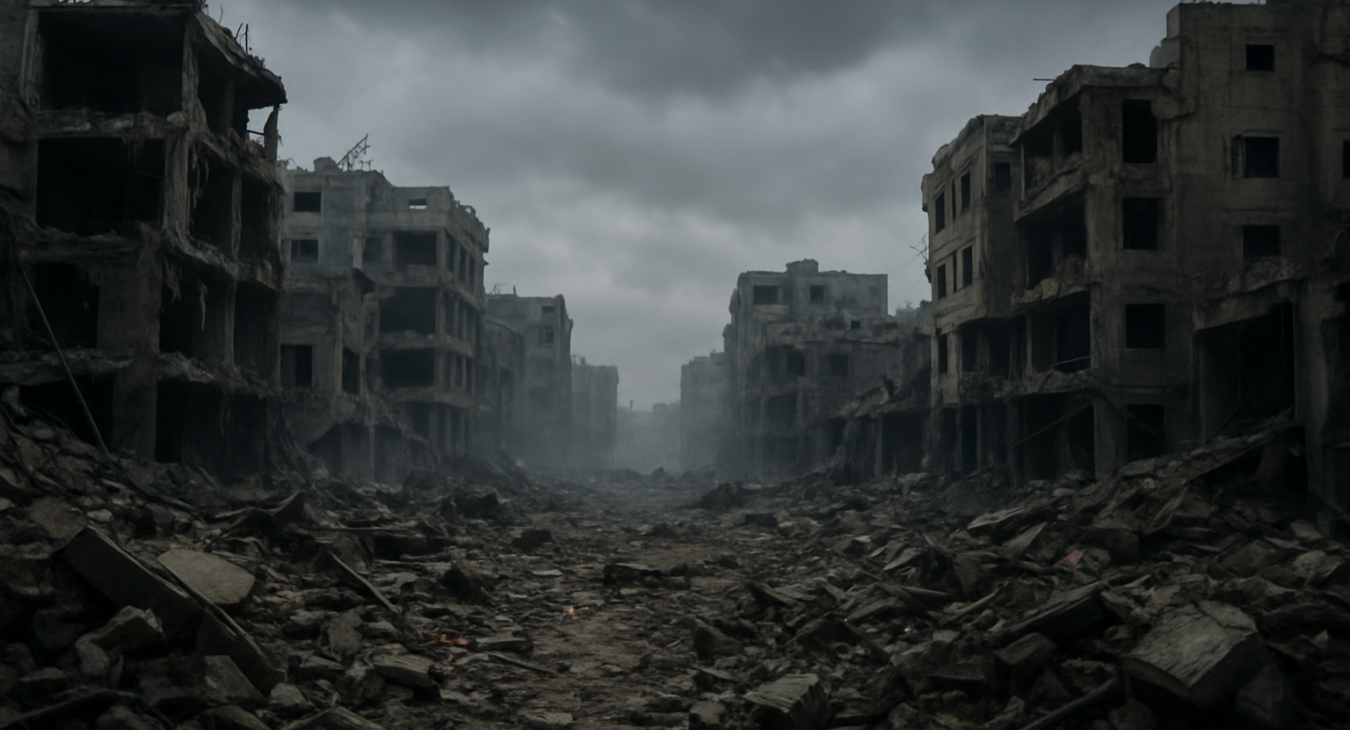
The true weight of modern warfare is not felt in the shifting boundaries of influence, but in the degradation of civilian life-support systems. While strategic discussions focus on the disruption of energy markets or the security of the Strait of Hormuz, the micro-humanitarian impact manifests in the breakdown of critical civilian infrastructure. Water treatment facilities, healthcare systems, and food distribution networks are not merely logistical background elements; they are the lifelines of a functioning society. When conflict escalates, the destruction of these networks creates a compounding humanitarian crisis. The failure of a power grid or the damage to a water purification plant has a long tail of mortality that persists far beyond the cessation of active hostilities. This slow-onset catastrophe, where the absence of clean water and medical supplies kills more effectively than direct strikes, is often ignored in favor of tracking technological supply chain interruptions.
The Cumulative Weight of Sanctions and Public Health
To understand the vulnerability of the Iranian civilian population today, one must look back at the historical context of long-standing economic sanctions. The current threats of conflict do not occur in a vacuum; they act as an intensification of decades of systemic pressure. Previous economic restrictions have already placed immense strain on the Iranian public health sector, making the procurement of specialized medicines and advanced medical technology an uphill battle for doctors and patients alike. This pre-existing erosion of the social fabric means that the population has less resilience to weather a new wave of kinetic action. The current crisis is not an isolated event but the latest chapter in a prolonged period of economic attrition that has already compromised the ability of civil society to respond to sudden shocks.
The Dehumanization of Statistical Variables
There is a profound ethical crisis in the way human lives are framed within geopolitical analysis. In many state-issued reports and strategic briefings, casualties are reduced to mere numbers or dismissed as 'collateral damage.' This terminology serves a specific purpose: it strips the individual of their agency and reduces a human life to a secondary effect of a strategic objective. When the civilian population is viewed merely as a variable in a strategic equation, their specific needs, their survival, and their right to security are subordinated to the interests of major powers. This dehumanization allows for the normalization of high-stakes conflicts, as the actual cost of war is obscured by the sterile language of diplomacy and military science.
Skepticism and the Search for Truth in Conflict Zones
In an era of intense information warfare, the civilian population is caught between the narratives of competing states. This makes a healthy skepticism essential when engaging with casualty figures or state-issued reports regarding conflict in Iran. Information regarding the scale of destruction and the number of non-combatant victims is often contested, as different actors use data as a tool for political legitimacy. The struggle to establish an accurate, independent accounting of the humanitarian toll further complicates the ability of international organizations to provide effective aid. For those living through the crisis, the inability to access reliable information is as much a part of the conflict as the physical destruction of their homes.
The Erasure of Civil Society Agency
The 'balancing of powers' narrative frequently overlooks the agency and the specific, localized needs of Iranian civil society. While the United States, Israel, and Iran engage in high-level diplomatic maneuvering, the actual drivers of human survival—local community organizations, neighborhood networks, and healthcare professionals—are often ignored. The geopolitical focus on state-to-state relations fails to account for the resilience and the specific requirements of the people living within the conflict zone. By treating the population as a passive recipient of state decisions, policymakers miss the opportunity to address the root causes of human insecurity and instead perpetuate a cycle of crisis management that prioritizes power over people."
}