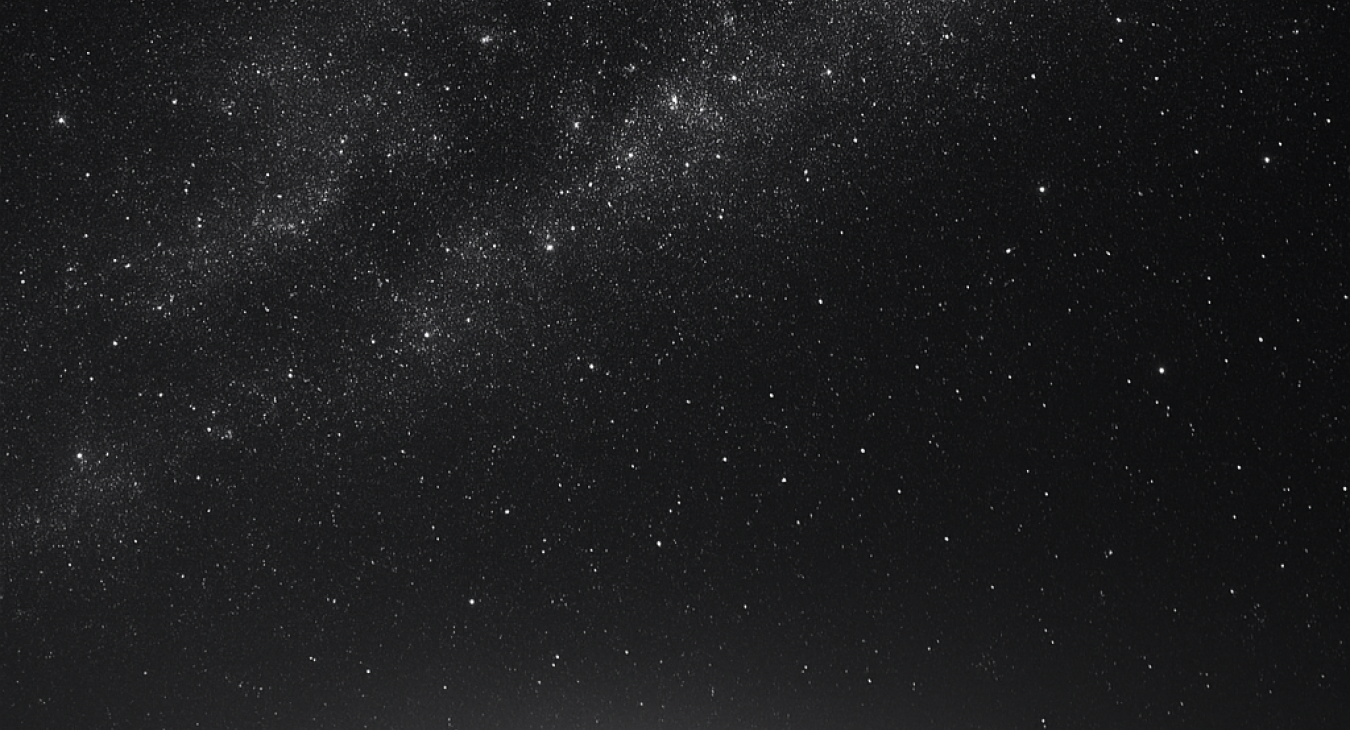
Artificial light can be very confusing for animals that rely on the sky and ocean to find their way. For both migrating birds and sea turtles, blue light is often considered the most harmful wavelength. This is because blue light is highly visible and scatters easily in the atmosphere and water.
For sea turtles, hatchlings use the bright light reflecting off the ocean to find the sea. Artificial blue and white lights from buildings or roads can lead them in the wrong direction, causing exhaustion or predation. Similarly, many birds use celestial cues like the moon and stars to navigate at night. Intense blue light from urban areas creates a phenomenon known as light pollution, which disorients their internal compass and disrupts their natural sleep and wake cycles.
To help protect these species, it is important to use light sources with warmer colors, such as amber or red. These warmer tones emit much less blue light and are far less likely to interfere with the natural rhythms and navigational abilities of wildlife trying to survive their long journeys.