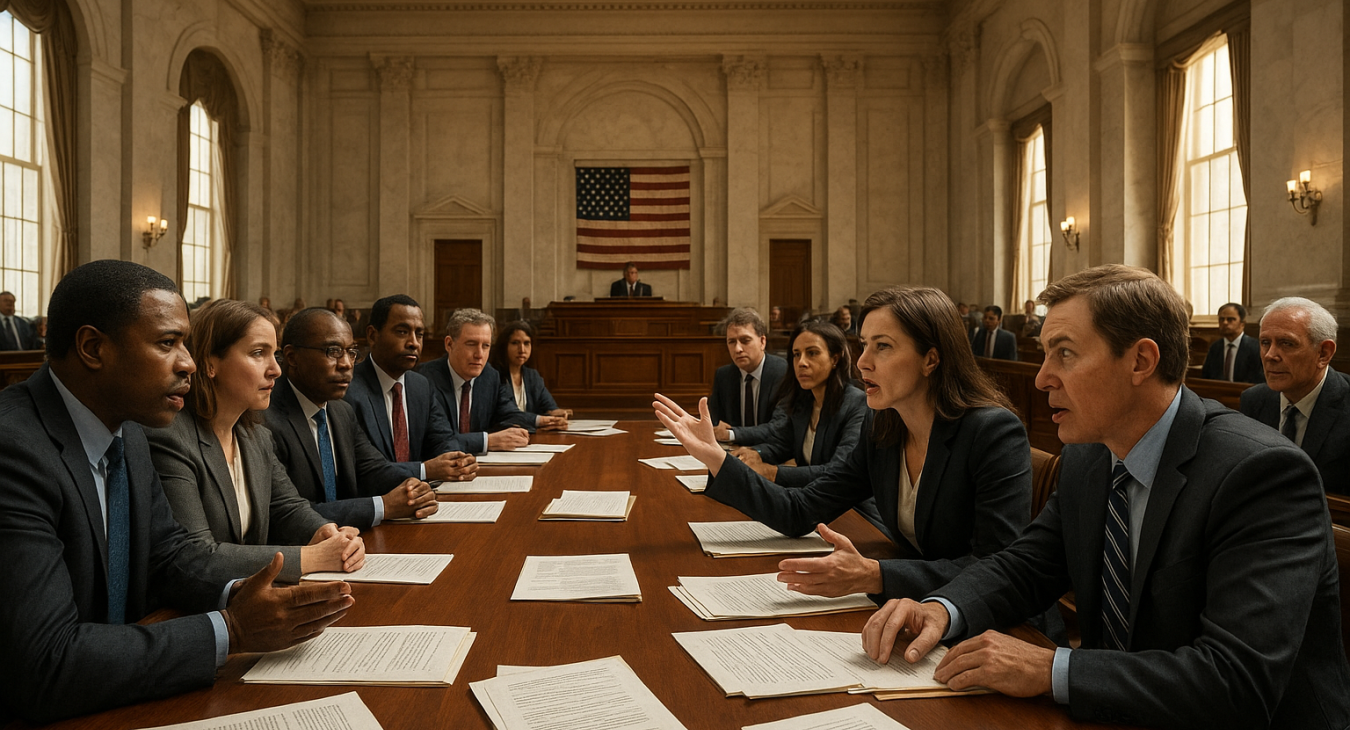
We recognize that placing diverse learners in the same room does not automatically foster social cohesion. To prevent mere physical proximity without actual interaction, the state is funding specific professional development modules focused on Culturally Responsive Teaching (CRT) and Universal Design for Learning (UDL). These frameworks help teachers structure lessons that value different cultural backgrounds rather than treating them as obstacles to a standard curriculum.
Schools will receive grants to hire integration specialists and social workers. These staff members assist with classroom management and facilitate structured peer-to-peer interaction protocols. We are moving away from the old "sink or swim" model. Instead, we are providing guided curricula that use cooperative learning techniques, ensuring students work together on shared problems. This approach forces engagement across demographic lines.
Furthermore, digital literacy platforms and multilingual instructional tools will be provided to bridge initial language gaps. We are also funding community-based programs that bring families into the school environment. By addressing social barriers outside the classroom, we help teachers focus on instruction inside it. This multi-layered strategy ensures that quotas lead to actual social movement, not just new seating charts.