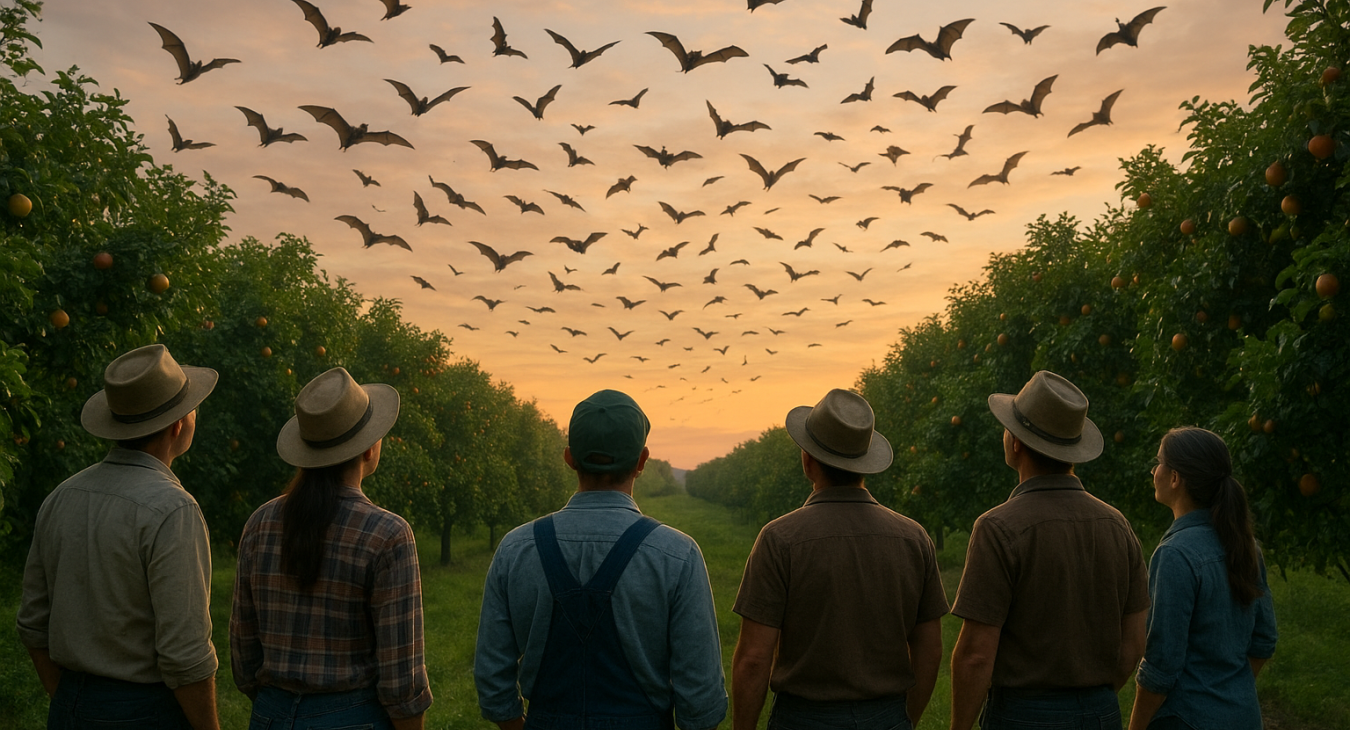
The vacuum cleaner effect refers to how certain practices, like heavy pesticide use or massive light pollution, can suddenly suck insects out of an area. When large numbers of insects are removed quickly, it creates a massive gap in the local food web. Many birds, bats, and reptiles rely on these insects as their primary food source. Without them, these larger animals may struggle to survive or be forced to move elsewhere.
This effect also has a serious impact on pollination cycles. Many plants depend on specific insects to move pollen from one flower to another so they can reproduce. If the vacuum cleaner effect removes these key pollinators, plants cannot create seeds or fruit effectively. This can lead to a decline in plant variety, which eventually changes the entire look and health of the local ecosystem.
In short, when insects disappear rapidly due to this effect, the ripple effect touches everything. It weakens the food supply for animals and prevents plants from growing, making the whole environment less stable and less diverse over time.