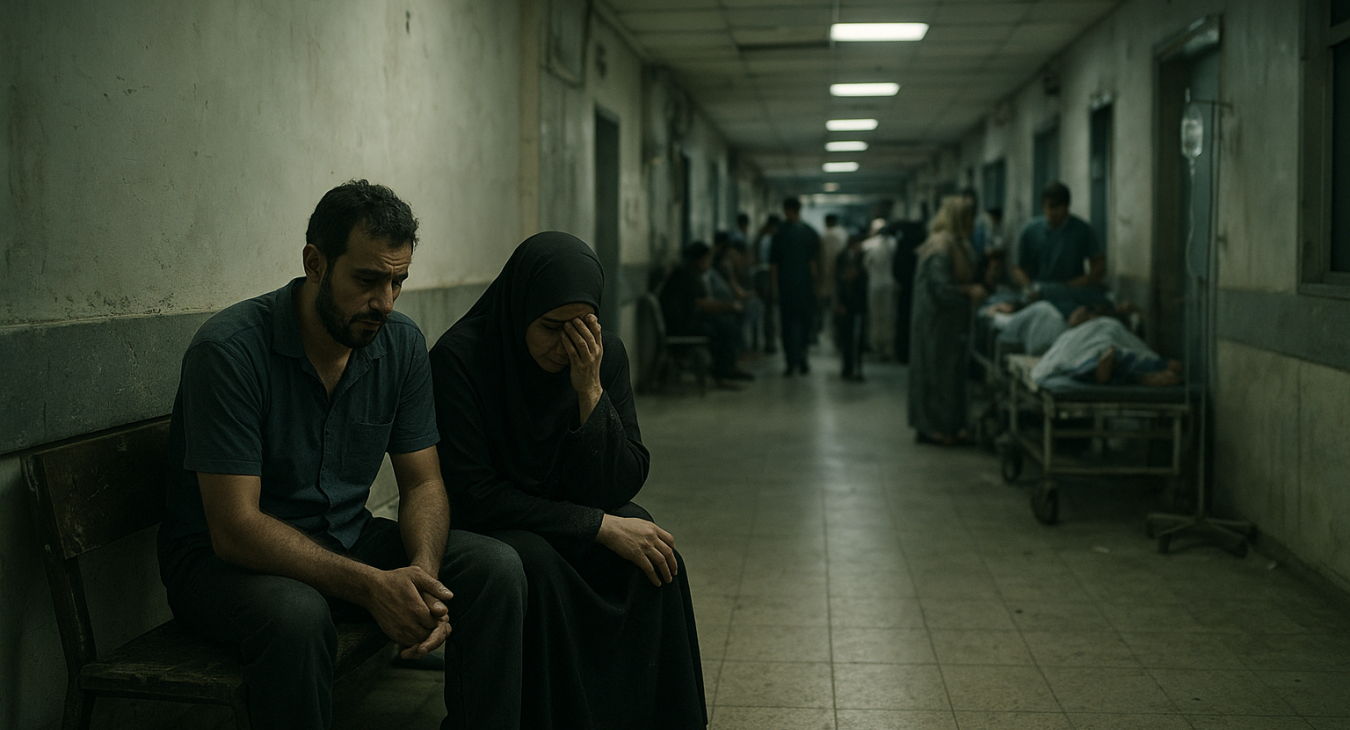
Ambiguous loss occurs when family members are missing or uncertain, leaving loved ones without closure. In Gaza, where conflict is constant, families often do not know if their relatives are alive or deceased. This prolonged uncertainty can lead to severe mental health challenges, such as chronic anxiety, depression, and complex trauma. Unlike a clear death, where grieving can eventually begin, ambiguous loss keeps the mind in a state of constant high alert, making it difficult to process emotions or find peace.
Socially, this phenomenon can strain family cohesion. The lack of certainty makes it hard to maintain traditional rituals or move forward with life decisions. Family roles may become blurred, and the collective tension can weaken the social bonds that normally support a community. When the boundaries of who is present and who is gone are unclear, the sense of stability within the household often breaks down. Over time, this environment of perpetual waiting can erode the psychological resilience of the entire community, making it harder for families to support one another through the ongoing crisis.