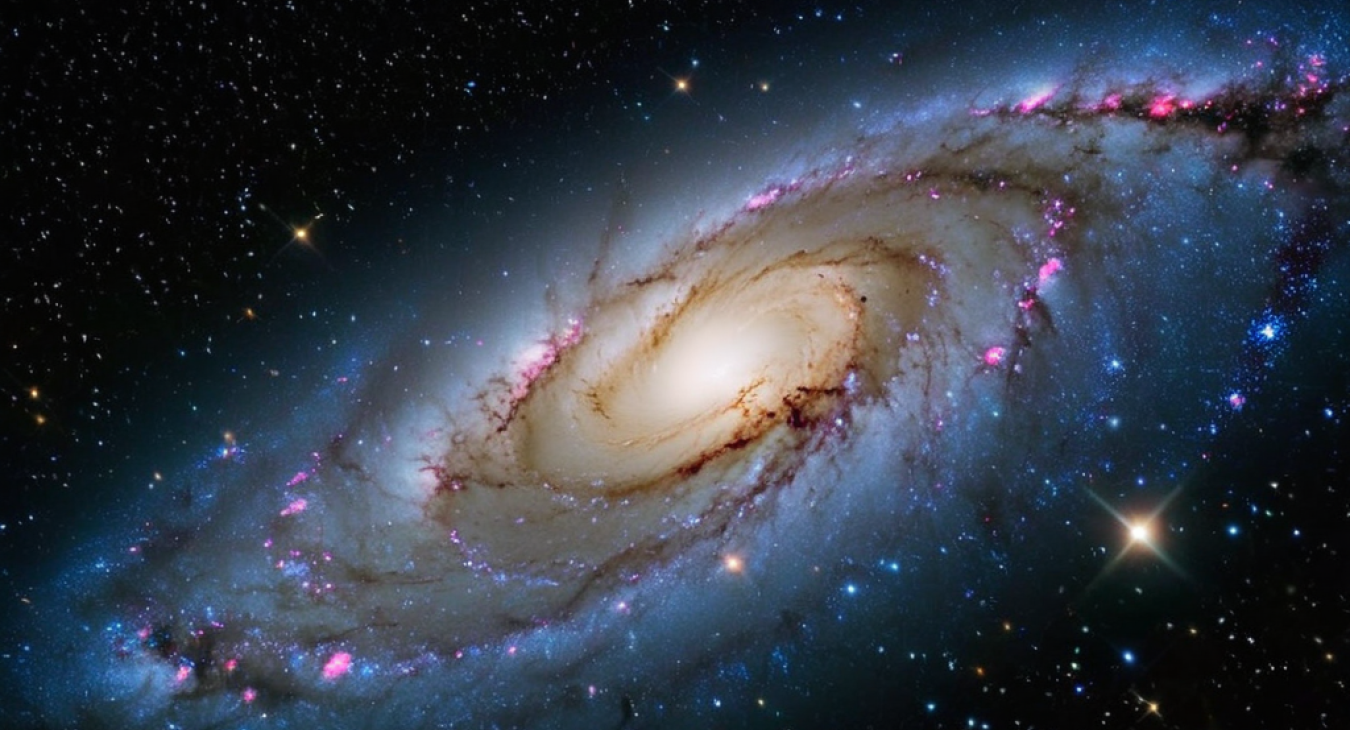
How might the inevitable galactic collision between the Milky Way and Andromeda galaxies reshape our future philosophical and existential frameworks?
The predicted collision between the Milky Way and Andromeda galaxies will likely serve as a profound catalyst for human thought. As we transition from observing a stable night sky to witnessing a cosmic reorganization, our sense of place in the universe may shift significantly. Historically, major astronomical discoveries have redirected human inquiry, much like the Copernican revolution moved Earth from the center of the universe.
p>Philosophically, this event could challenge anthropocentric views by emphasizing the immense scales and timelines of cosmic evolution. It may encourage a move toward existentialism or cosmic nihilism, where the vastness of space and the eventual merging of galaxies highlight the temporary nature of human civilization. Conversely, it could foster a sense of global unity as humanity contemplates its shared origin within the Milky Way. p>While the collision occurs over billions of years, the knowledge of this event encourages us to rethink our relationship with time and existence. This cosmic perspective helps us understand that human history is a small part of a much larger, dynamic celestial dance. Such a realization invites us to find meaning within the grand scale of the universe rather than feeling insignificant.