
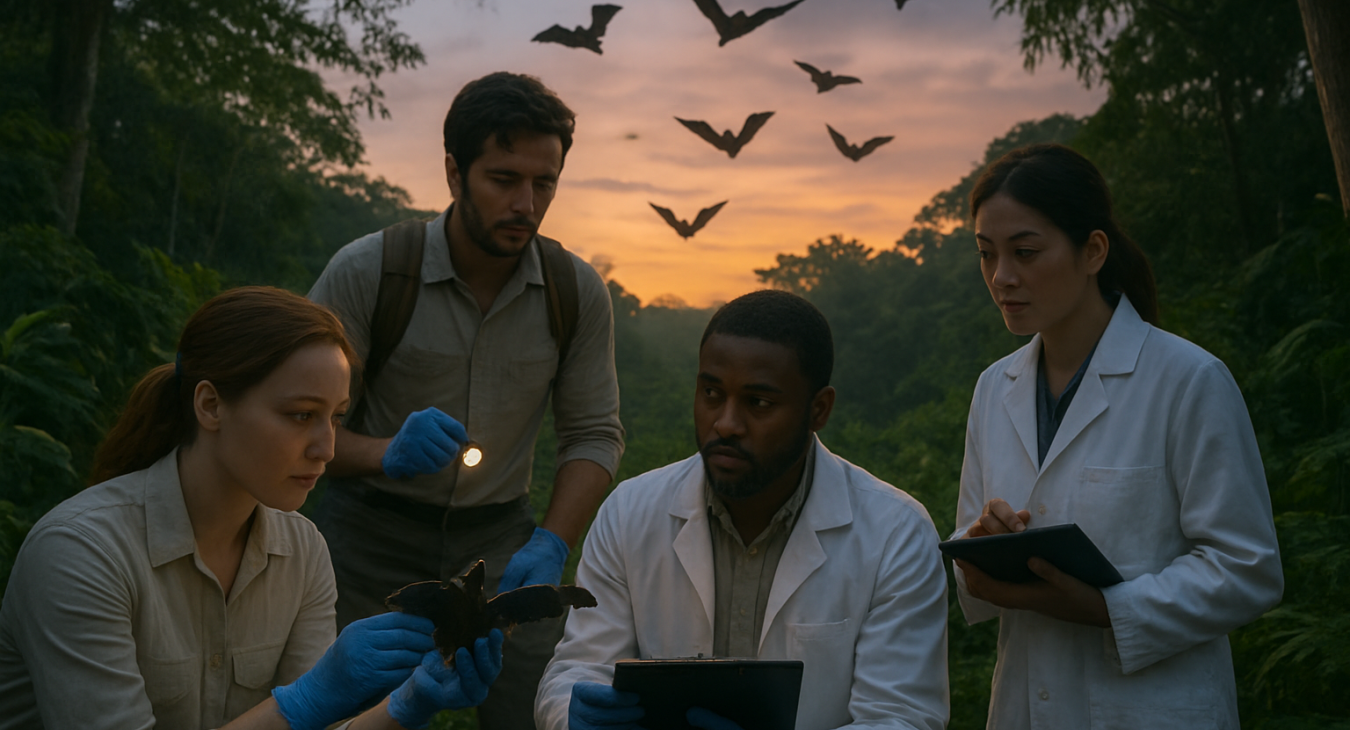
Introduction to the Ecological Importance of Chiroptera
Bats, belonging to the scientific order Chiroptera, are often misunderstood by the general public. While folklore and historical terminology sometimes painted them as creatures of omen, modern science recognizes them as vital contributors to healthy ecosystems. These mammals play a crucial role in pest control, pollination, and seed dispersal. By consuming vast quantities of insects, including mosquitoes and agricultural pests, they provide a natural service that benefits both human health and global food security. Understanding their biological importance is the first step toward moving past fear and toward a model of coexistence.
The Role of Bats in the Ecosystem
The ecological benefits provided by bats are immense and multifaceted. Insectivorous species, which make up the majority of bat varieties, act as a biological control agent. A single bat can consume thousands of insects in a single night, reducing the need for chemical pesticides in farming. Furthermore, nectarivorous and frugivorous bats are essential pollinators. Many plants, including certain species of agave and cactus, rely heavily on bats for reproduction. Without these winged mammals, many ecosystems would face a collapse in biodiversity. Their role in maintaining the balance of nature makes them allies rather than nuisances.
Why Bats Choose Human Structures for Roosting
It is common for bats to seek shelter in man-made buildings such as attics, sheds, or chimneys. This behavior is not an act of aggression or an attempt to invade human living spaces. Instead, bats are looking for the same things they would find in a hollow tree or a rock crevice: protection from predators, stable temperatures, and a safe environment for resting or raising young. For many species, human structures offer a microclimate that is warmer and more consistent than natural options. Their roosting preferences are dictated by complex factors including species identity, the current season, regional climate, and the specific architectural features of the building.
Recognizing When Bats Become a Nuisance
While bats are ecologically beneficial, there are instances where their presence in a building transitions from a neutral occurrence to a genuine nuisance. A nuisance typically arises when a colony resides within the immediate living areas of a home. This can lead to physical disturbances such as audible noise from movement or wing flapping. Additionally, the accumulation of guano, which is the technical term for bat droppings, can lead to unpleasant odors and potential sanitation issues. If bats are entering your primary living space regularly, it is a sign that the roosting site is not where it should be naturally, and management is required.
Safety Protocols: The Golden Rule of Not Touching
One of the most critical aspects of interacting with bats is maintaining a safe distance. One should never attempt to touch a bat with bare hands. Because bats are mammals and can potentially carry zoonotic diseases, such as rabies, physical contact poses a significant health risk. Even if a bat appears healthy, it is impossible to determine its health status through visual inspection alone. If you encounter a bat in a room, it is best to guide it outside using soft materials or professional methods, ensuring that no direct skin to animal contact occurs. If a bat is found in a sleeping area, professional consultation is highly recommended to ensure safety.
Safe Management and Prevention Strategies
When bats begin to cause issues in a structure, management should be handled with care to protect both the humans and the animals. The goal is to encourage bats to vacate the space without causing them harm or violating local conservation laws. One effective method is to identify entry points and use exclusion techniques during periods when bats are not actively using the space. It is vital to ensure that the bats have a clear exit path to the outside before sealing any gaps. Professional wildlife services often use specialized tools to facilitate this transition safely. Always check with local wildlife authorities before attempting to exclude bats, as some species may be protected by law.
Promoting Coexistence in Local Environments
The ultimate goal for modern urban planning and wildlife management is coexistence. This involves creating environments where humans and bats can thrive in shared spaces like parks, gardens, and residential areas. By understanding the specific needs of local species and providing appropriate habitats, such as bat boxes, we can steer bats away from living quarters and toward ideal natural substitutes. Participating in local conservation efforts and supporting scientific research helps build a community knowledge base that promotes a respectful relationship with these remarkable mammals.
Conclusion: A Shift in Perspective
Shifting the perception of bats from nuisances to essential ecological partners is a vital step for environmental stewardship. While it is necessary to manage their presence when it interferes with human habitation, doing so should be done through informed, safe, and humane practices. By respecting their biological needs and understanding their value to our planet, we can ensure that the order Chiroptera continues to flourish alongside human civilization.



