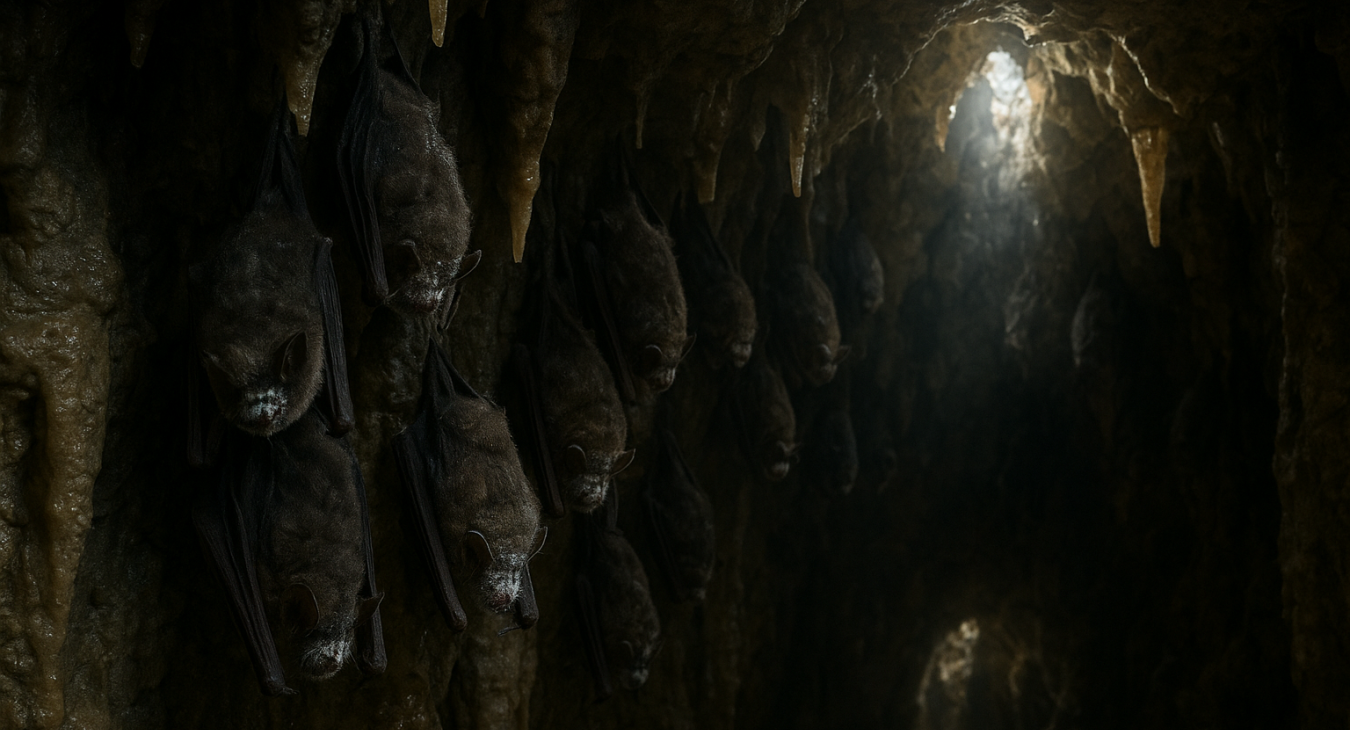
Mønsted Kalkgruber, a renowned system of limestone caves in Denmark, is home to a significant bat population and provides crucial hibernation sites for several species. However, this delicate ecosystem faces a serious threat: white-nose syndrome (WNS), a devastating fungal disease impacting bat populations across North America and increasingly recognized as a potential concern in Europe.
What is White-Nose Syndrome?
White-nose syndrome is caused by the fungus *Pseudogymnoascus destructans* (Pd). It was first detected in New York State in 2006 and has since spread rapidly, causing significant mortality among hibernating bat populations. The disease gets its name from the white fungal growth that appears on the muzzles, ears, and wings of affected bats.
Impact on Hibernating Bats
Hibernation is a vital survival strategy for many bat species, particularly in regions with harsh winters. Over half of the 47 bat species found in North America depend on hibernation to survive the cold months. During hibernation, bats conserve energy by lowering their body temperature and metabolic rate. White-nose syndrome disrupts this process. The fungus causes irritation and damage to the bats' wing membranes, leading them to wake up more frequently during hibernation. This increased activity depletes their precious fat reserves, ultimately weakening them and increasing mortality rates.
Mønsted Kalkgruber at Risk
The threat of white-nose syndrome reaching Mønsted Kalkgruber is a serious concern for Danish conservationists. The caves provide essential shelter for bats during the winter months, but their vulnerability to WNS means that an outbreak could have devastating consequences for local bat populations. While not yet confirmed within Mønsted Kalkgruber itself, preventative measures and ongoing monitoring are crucial.
Understanding Bat Species and Their Ecology
Several bat species utilize the caves at Mønsted Kalkgruber. Understanding their behavior, distribution, and genetics is vital to protecting them. Research focusing on species like the Pond bat (*Myotis dasycneme*) offers valuable insights into their ecology and population dynamics. A detailed handbook explores aspects such as paleontology, genetics, ecology, and behaviour of these bats, including a distribution map and relevant literature.
Lessons from North America – Resilience in Some Species
While WNS has had catastrophic effects on many bat species in North America, research is uncovering fascinating details about why some populations demonstrate greater resilience. For example, studies at Tippy Dam, Michigan, reveal that despite high levels of fungal infection in *Myotis lucifugus* (Little Brown Bat), mortality rates have been lower than initially feared. Scientists are investigating the factors contributing to this relative resistance, hoping to apply these findings to conservation efforts elsewhere.
Conservation Efforts and Monitoring
Preventing the introduction and spread of white-nose syndrome is paramount. Strict biosecurity protocols are in place at Mønsted Kalkgruber, including cave closures during peak hibernation periods and decontamination procedures for visitors. Continuous monitoring programs track bat populations and assess any signs of fungal presence.
Further Information
For more information about bats in Denmark, white-nose syndrome, or the conservation efforts surrounding Mønsted Kalkgruber, you can contact:
The Danish Forest and Nature Agency: You may find useful information on their website. While a direct contact number or email isn't readily available online, general inquiries can be directed through their central office. For specific questions regarding Mønsted Kalkgruber’s bat population, reaching out to local conservation organizations dedicated to bat protection would likely provide more detailed assistance.
Learn more about Danish bats from Miljøministeriet's website