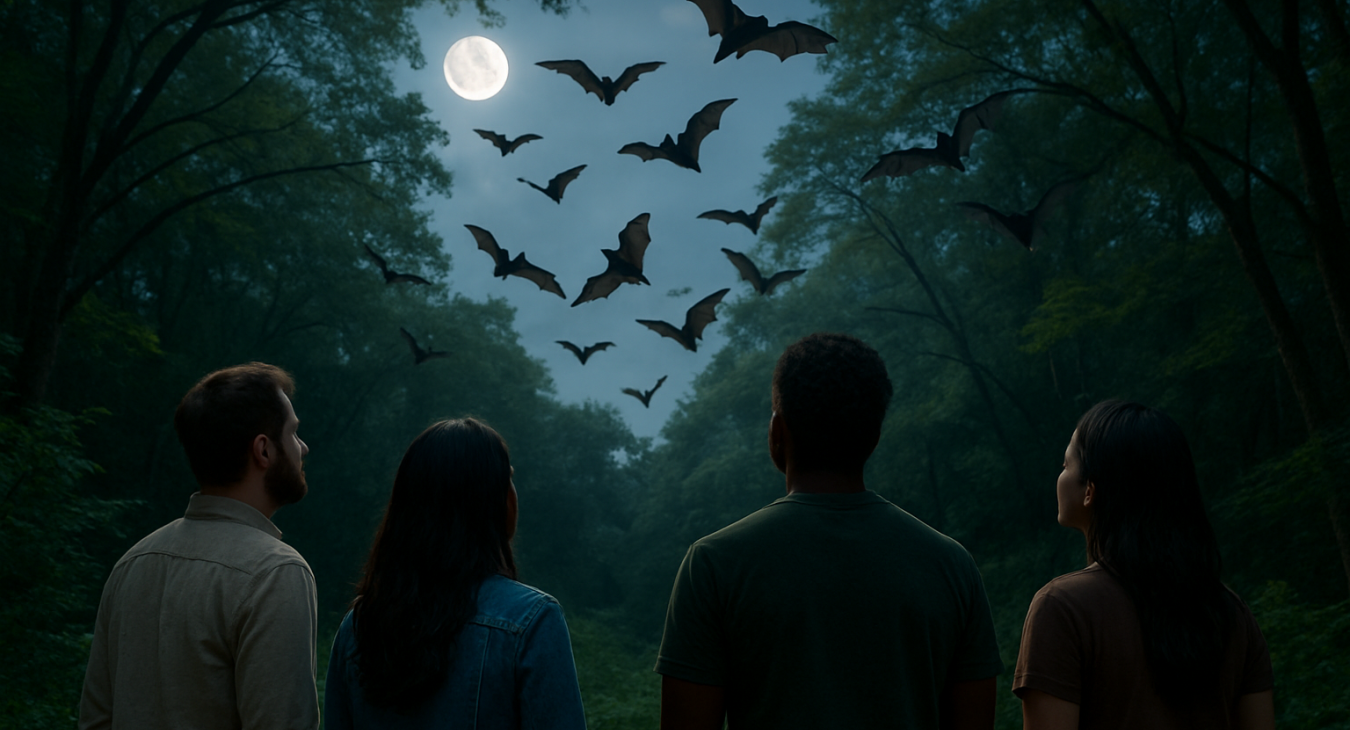
Research suggests that exposure to nature can significantly influence human psychology and promote a sense of connection with the broader world. Studies indicate that individuals who spend time in green spaces often report higher levels of selflessness and lower levels of ego centricity. This phenomenon is linked to Attention Restoration Theory, which posits that natural environments allow people to recover from mental fatigue and refocus their attention on collective goals rather than individualistic concerns.
Furthermore, the concept of biophilia suggests that humans have an innate connection with other living systems. When people interact with nature, they may experience a sense of awe or wonder, which can diminish self importance and foster feelings of altruism. This psychological shift encourages individuals to consider others more deeply and engage in prosocial behaviors. For further information on environmental psychology, you can visit the website of the Society for the Psychology of the Environment.