
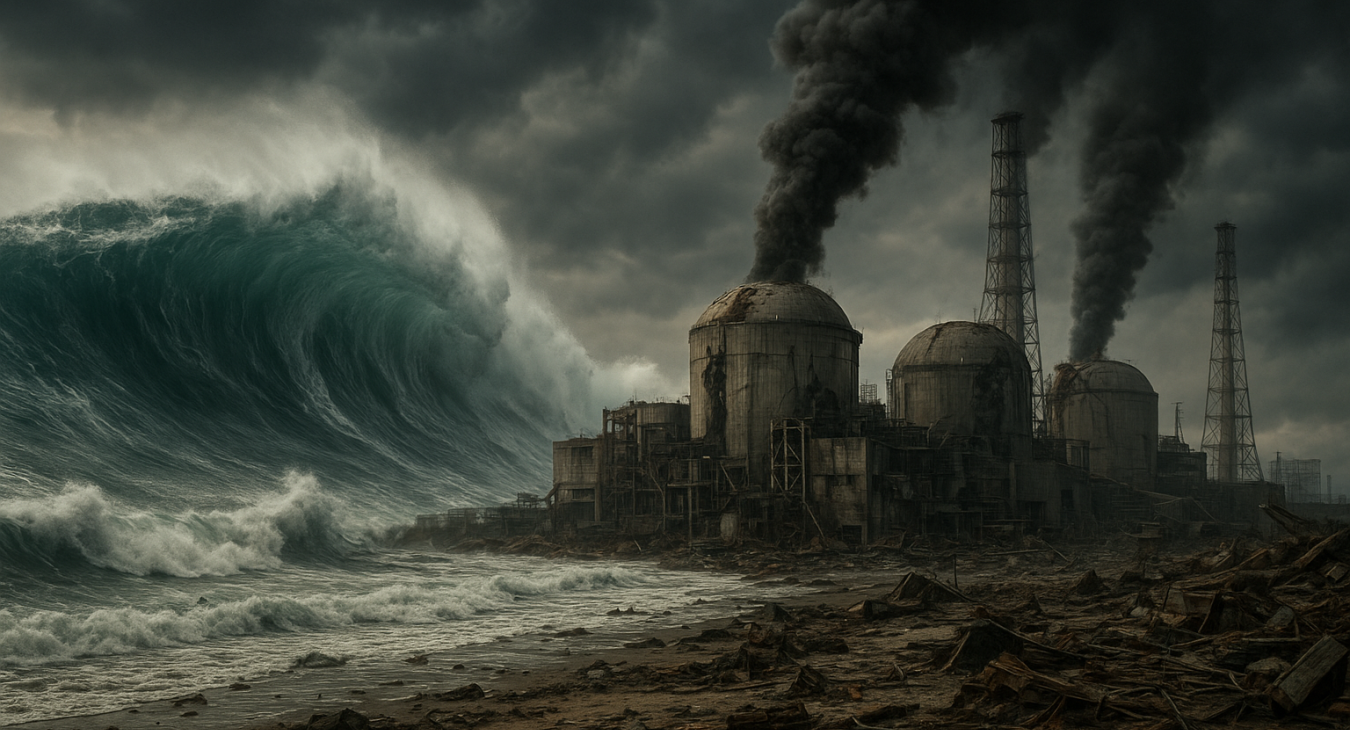
The date 11 March 2011 remains etched in global memory. It was a day that profoundly challenged our understanding of human resilience and technological vulnerability when the massive Tōhoku earthquake struck, followed by an overwhelming series of tsunami waves that devastated Japan's coast.
At Fukushima Daiichi Nuclear Power Plant, the confluence of these natural disasters created an unprecedented emergency. The direct cause was the extreme seismic activity, which led to electrical grid failure and critically damaged nearly all of the plant’s backup energy sources. A massive tsunami, reaching up to 15 meters in height, slammed into the facility, disabling vital power supplies and, crucially, the cooling systems for three reactors.
The Chain Reaction of Failure
Nuclear reactors require continuous, robust cooling. When the grid failed and backup generators were compromised by the tsunami's force, the core problem began: the inability to sufficiently cool the meltdown-prone reactors after shutdown. This subsequent failure in containment led inexorably to the release of radioactive contaminants into the surrounding environment.
The cascading failures marked a level 7 event on the International Nuclear and Radiological Event Scale. The accident rapidly progressed; all three cores largely melted within the first three days, beginning on March 11th, 2011. This crisis highlighted not only the raw power of nature but also the fragility inherent in complex human systems.
The Personal Impact and Aftermath
When we look at Fukushima, we are reminded that disaster is rarely just an abstract event. It touches lives. The resulting large quantity of radioactive material caused profound human suffering and rendered vast stretches of land uninhabitable. Cleanup operations were projected to take decades, amounting to a monumental, multi-generational endeavor.
From the perspective of those who lived through it, the experience was one of abrupt displacement and enduring uncertainty. Memories are filled with hurried evacuations and the daunting task of rebuilding lives in a radically changed landscape. These firsthand accounts form a powerful narrative of survival against unimaginable odds.
Learning from Vulnerability
While deeply tragic, the memory of Fukushima carries a critical lesson in preparedness and preventative engineering. Numerous experts point to flaws in design and infrastructure resilience—failures that were deemed preventable had preemptive measures been implemented.
Today, as we reflect on this major accident, there is an ongoing commitment from the global scientific community to improve nuclear safety standards. The focus remains on enhancing backup power systems and developing more robust cooling mechanisms capable of withstanding extreme natural events like powerful earthquakes and mega-tsunamis. This continuous effort helps build a more resilient world for future generations.
Fukushima's story is not just one of catastrophe; it is a profound call to action, driving necessary improvements in disaster planning globally, proving that collective knowledge is key to mitigating potential risks.
Read more articles
- Log in to post comments


