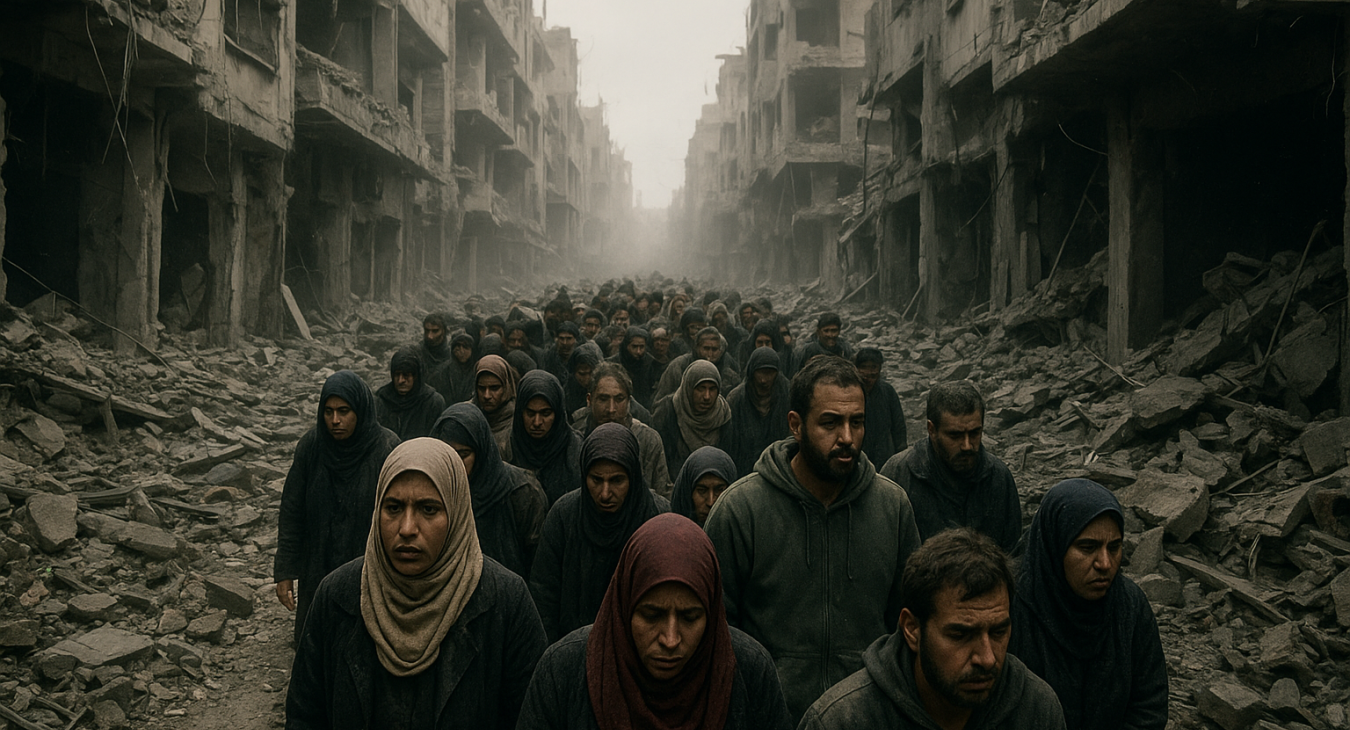
The Modern Information Challenge
In the modern age, people have unprecedented access to global events through smartphones and social media. While this connectivity allows us to understand what is happening in distant parts of the world, it also presents a significant challenge for mental health. The constant stream of information regarding crises, conflicts, and general instability can make it very difficult for individuals to manage how much news they consume. This continuous flow of data often leads to a sense of being overwhelmed, as the brain is forced to process a high volume of distressing information every single day.
The Biological Basis of News Anxiety
It is important to understand that feeling stressed by bad news is a predictable biological reaction. The human brain is evolutionarily wired to prioritize safety and respond to danger. This survival mechanism is designed to scan the environment for potential threats to ensure personal security. In the past, a person might only hear about a threat if it was physically near them. Today, however, digital devices provide a 24/7 stream of global threats. Because these devices are designed to maintain our attention, we often fall into a cycle of continuous information consumption. This constant stimulation prevents the nervous system from ever truly resting or recovering from the perceived danger.
Understanding Doomscrolling and Media Impact
The practice of repeatedly consuming distressing news is often referred to as doomscrolling. This behavior can be incredibly mentally draining. Research indicates that the habit of consuming negative news is directly linked to lower levels of wellbeing and various psychological difficulties. The way information is delivered also plays a role in how we feel. For example, unfiltered or graphic footage on social media platforms can have a much stronger psychological impact than regulated traditional media like television or newspapers. The raw and unedited nature of social media content can feel more immediate and visceral, which intensifies the emotional weight of the news.
The Toll of Constant Global Crises
Modern individuals receive a continuous stream of information that was not available to previous generations. In the past, news cycles were more regulated and had natural pauses. Today, the 24-hour news cycle and real-time social media updates ensure that we are always aware of global struggles. This can result in significant emotional exhaustion, anxiety, and profound feelings of helplessness. Often, people receive detailed information about tragedies without having any realistic way to act upon the events themselves. This gap between knowing about a problem and being unable to help creates a unique type of psychological tension.
Physical Symptoms of News Fatigue
The impact of excessive news consumption is not just mental; it can also be physical. Many people experience news fatigue or burnout, which manifests in the body as physical symptoms. These can include muscle tension, racing thoughts, and general exhaustion. Recent global events, such as natural disasters like Hurricane Helene or the wildfires in the Los Angeles area, alongside high-stakes political events like presidential elections, can act as triggers for these symptoms. When the news is filled with uncertainty and rapid changes, the body remains in a state of high alert, contributing to long-term stress.
The Ethics of Staying Informed
Despite the risks to mental health, staying informed is often viewed as a social or ethical necessity. Engaging with the news helps individuals understand the world around them and can represent a responsible stance toward global citizenship. Being aware of environmental issues, health developments, or international conflicts allows people to participate in society more effectively. The challenge lies in finding a balance between being an informed citizen and protecting one's own psychological health. The goal is to avoid the trap of thinking that constant consumption is the same as being truly informed.
Strategies for Maintaining Mental Well-being
Balancing the need to be informed with the need to maintain mental health is a critical skill in the current environment. Because constant exposure to bad news can cause distress, individuals may need to implement specific strategies to protect their well-being. This might include setting strict time limits on news consumption, turning off breaking news alerts, or choosing specific times of the day to check updates rather than checking a phone constantly. By creating boundaries around information intake, people can remain aware of the world without letting the negative news cycle dictate their emotional state.
Learning Through Controlled Information
For those who wish to stay informed while managing the complexity of global events, structured learning can be a helpful tool. For example, educational platforms like Breaking News English provide materials for ESL and EFL learners that can help people process news in a more controlled way. These materials often use news readings and listening exercises to teach language skills. By using formats that offer easier or harder versions of news stories, individuals can engage with the world through a pedagogical lens rather than an overwhelming emotional one. This approach allows for learning and comprehension without the raw, unfiltered trauma often found on social media.
Summary of the Information Environment
The current state of the news sector is one of extreme immediacy and intensity. While the ability to witness history in real-time is a technological marvel, it carries significant psychological costs. Recognizing the symptoms of news fatigue and understanding the biological reasons for our stress can help in managing how we interact with digital media. By being intentional about how and when we consume information, we can strive to be informed participants in a complex world without falling into a state of permanent helplessness.
(hum)