
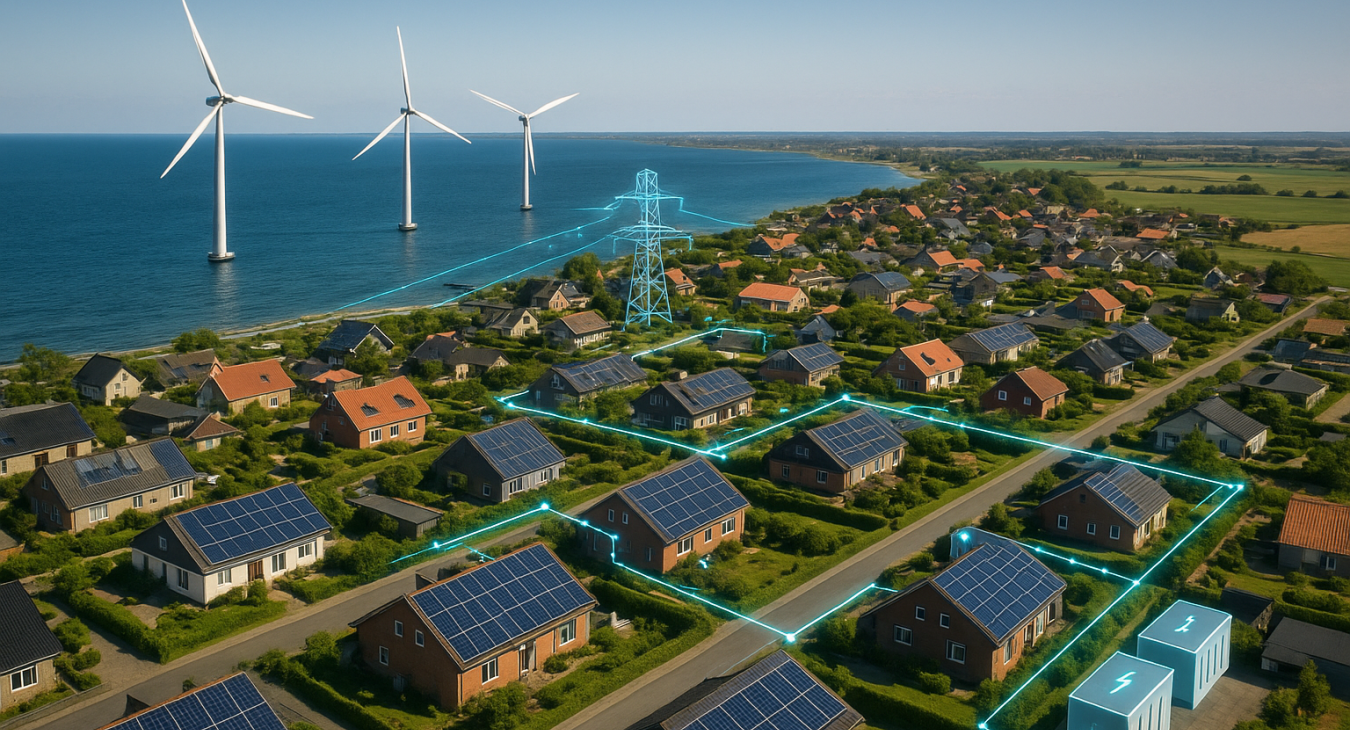
Denmark has emerged as a European leader in renewable energy integration, particularly with wind and solar power. The nation’s commitment to phasing out fossil fuels like coal and natural gas while embracing technologies such as heat pumps for residential heating presents both opportunities and challenges. A core component of Denmark's success lies in its sophisticated approach to smart grids – intelligent electricity networks capable of managing the inherent variability of renewable energy sources.
Challenges of Intermittent Renewables
The fluctuating nature of wind and solar power, dependent on weather conditions, poses a significant hurdle for grid stability. When wind speeds are low or sunlight is obscured by clouds, electricity generation drops unexpectedly. Conversely, sudden surges in production can overwhelm the system if not managed effectively. This variability necessitates flexible solutions to ensure a consistent and reliable energy supply.
The Role of Smart Grids
Smart grids offer a dynamic solution. They leverage advanced communication technologies, sensors, and automation to monitor electricity flow in real-time. This allows for proactive adjustments to balance supply and demand. Unlike traditional power grids, smart grids enable two-way communication between energy providers and consumers, facilitating greater control and efficiency.
In Denmark's context, this means that when wind farms are producing excess energy, the smart grid can redirect it to storage solutions (like batteries or pumped hydro) or export it to neighboring countries. Conversely, during periods of low renewable generation, power can be drawn from alternative sources or imported to meet demand.
Solar Power’s Growing Contribution
While wind energy has historically dominated Denmark's renewable landscape, solar power is rapidly gaining traction. The increased adoption of rooftop solar panels and larger-scale solar farms contributes significantly to the overall renewable energy mix. Integrating solar effectively requires sophisticated forecasting models to anticipate production levels and manage grid fluctuations.
The synergy between solar and wind is also a key factor. While both are intermittent, their generation patterns often differ, providing a degree of natural diversification. When the wind isn't blowing, the sun may be shining, and vice versa, reducing the overall reliance on backup power sources.
International Collaboration
Denmark’s experience in balancing intermittent renewables extends beyond its borders. The nation has partnered with countries like Thailand to share knowledge and implement smart grid technologies. This collaborative approach highlights Denmark's commitment to global energy transition and demonstrates the scalability of its solutions.
Looking Ahead
Denmark’s journey toward a fossil-free future is ongoing, demanding continuous innovation and adaptation. Future developments will likely include expanded energy storage capacity, increased flexibility in electricity demand (e.g., through smart appliances), and enhanced grid interconnection with neighboring countries. The continued evolution of smart grids remains crucial to unlock the full potential of renewable energy and ensure a sustainable and resilient power system.
For more information about Denmark's energy policy and initiatives, you can visit Energi Museum Danmark. You may also contact the Danish Energy Agency via email at contact@ens.dk or by phone at +45 72 22 46 01.



