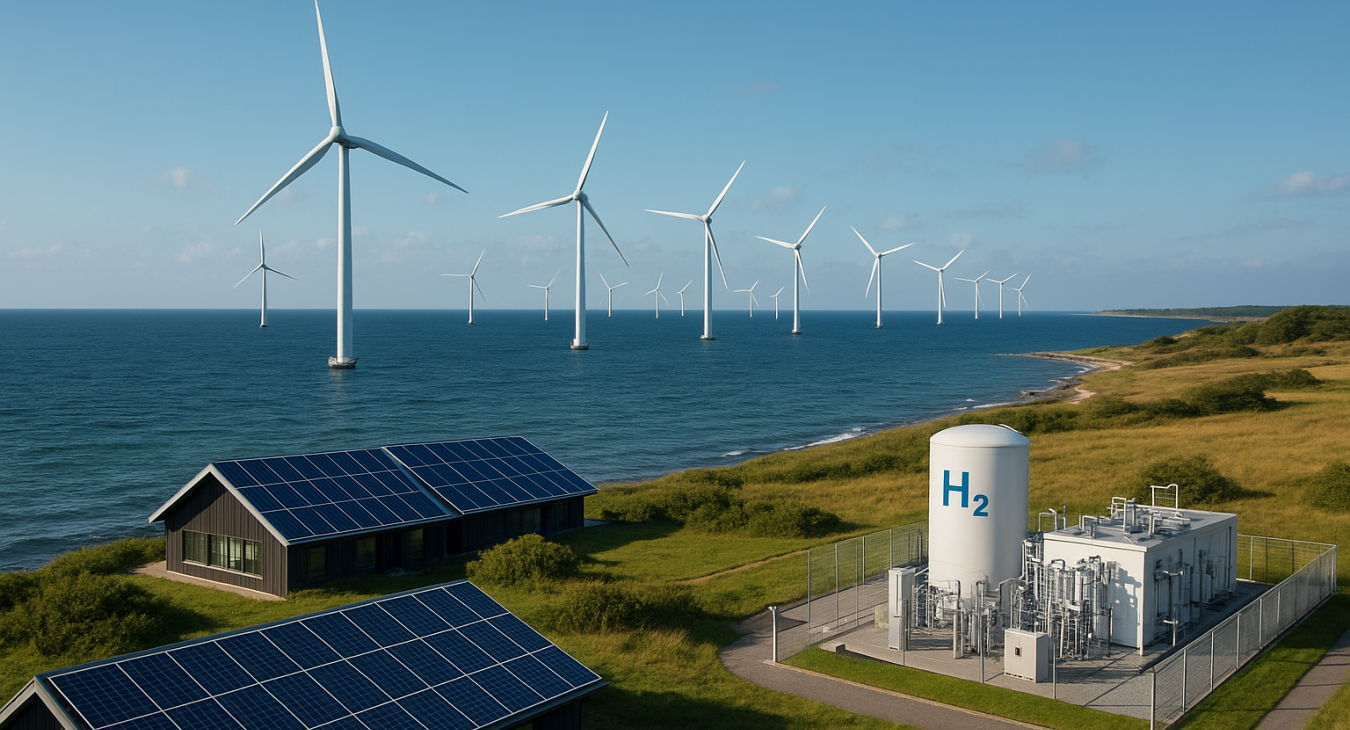
The Danish energy transition offers a valuable case study for nations striving to decarbonize their electricity grids. Over the past three decades, Denmark has undergone a dramatic transformation in its power supply, shifting from a reliance on fossil fuels to an impressive portfolio of renewable sources. This journey, while not without its challenges, provides crucial lessons and potential blueprints for other countries aiming for similar goals.
The Scale of the Transformation
In just thirty years, Denmark has seen the share of renewable energy in its electricity mix surge from a mere 3% to over 80%. This remarkable shift is largely driven by wind power, which now contributes approximately seven gigawatts to the national grid. Solar energy is also playing an increasingly significant role, complementing wind's contribution.
Key Lessons Learned
Several key lessons have emerged from Denmark’s experience. Firstly, integrating large volumes of intermittent renewable sources like wind and solar can be achieved while maintaining grid stability. The Nordic countries, including Denmark, have demonstrably proven that reliability and decarbonization are not mutually exclusive goals. This requires careful planning, investment in grid infrastructure, and the adoption of flexible technologies.
Addressing Grid Stability Challenges
The displacement of traditional power plants by renewables presents unique challenges to grid stability. Conventional power stations often provide inherent inertia and voltage support that fluctuating renewable sources lack. Denmark has addressed this through a combination of strategies:
- Grid Reinforcement: Significant investment in upgrading transmission lines and distribution networks to handle increased flows of electricity from geographically dispersed renewable energy sources.
- Flexible Technologies: Deployment of technologies like battery storage, demand response programs, and advanced grid management systems to balance supply and demand and provide voltage support.
- Regional Cooperation: Collaboration with neighboring countries through interconnectors allows for the sharing of resources and provides access to larger balancing markets.
The Role of Green Hydrogen
Recognizing the importance of decarbonizing sectors beyond electricity, Denmark is emerging as a leader in green hydrogen development. Projects are anticipated to accelerate CO2 reduction within industries, particularly from 2026 onwards, while simultaneously fostering economic growth. Green hydrogen produced using renewable energy can be used as a fuel for heavy industry, transportation, and potentially even power generation.
A National Strategy & International Collaboration
Denmark's approach is underpinned by a national strategy focused on reducing carbon emissions within the energy sector. This strategy incorporates coordination with other sectors of the economy and actively promotes international collaboration. The International Energy Agency (IEA) has analyzed Denmark’s energy transition, covering areas like fossil fuels, renewables, electricity, and energy efficiency.
Looking Ahead: Challenges and Opportunities
While Denmark's progress is commendable, challenges remain. Further investment in grid infrastructure is necessary to accommodate the continued growth of renewable energy. The development of robust hydrogen infrastructure and markets is also crucial for achieving broader decarbonization goals. Continued innovation and adaptation will be essential to navigate the complexities of a rapidly evolving energy landscape.
Further Information
For more detailed information regarding Denmark's energy transition, you can consult resources from the International Energy Agency (https://www.iea.org). You can also find updates on national strategies and projects related to green hydrogen development through governmental channels. Contact details for inquiries are typically available on official government websites.