
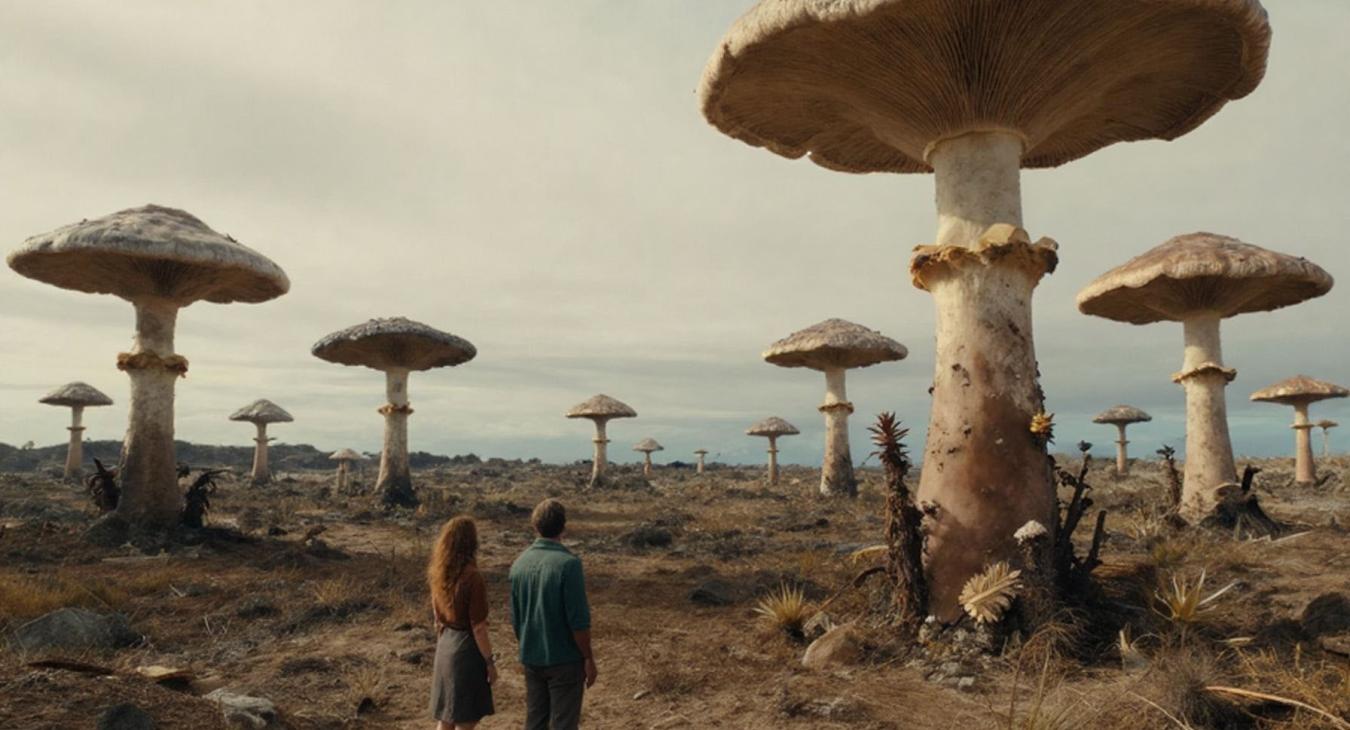
Fungal Diversification and the Colonization of Land
Research published in Nature Ecology & Evolution indicates that fungi began to diversify several hundred million years before plants inhabited terrestrial environments. This early diversification suggests that fungal ancestors may have established niche habitats before terrestrial life forms were widespread.
Symbiotic Relationships and Plant Growth
Fungi in the soil play a critical, positive role for plant growth and soil structure through symbiotic relationships. These symbioses contribute to nutrient uptake, plant growth, stress resistance, and ecosystem functions by facilitating exchange between organisms in different biological kingdoms.
Foundational Role in Terrestrial Ecosystems
Fungi played a crucial role in shaping life on Earth and contributed to the existence of complex organisms including humans by forming vital symbiotic relationships with plants. These symbioses gave rise to the first terrestrial ecosystems, establishing foundational biological structures for land-based food webs.



