  • Dansk
  • English
Home
Thinkiverse
Where every subject connects
  • Front Page
  • Subjects
    • Latest News
  • FAQ
  • Contact
  • Search

Breadcrumb

  1. Home
  2. Latest news

Reduce Light Pollution and Save Nighttime Travelers

Astronomy
Health
Technology
Science
June 18, 2026
by Editor
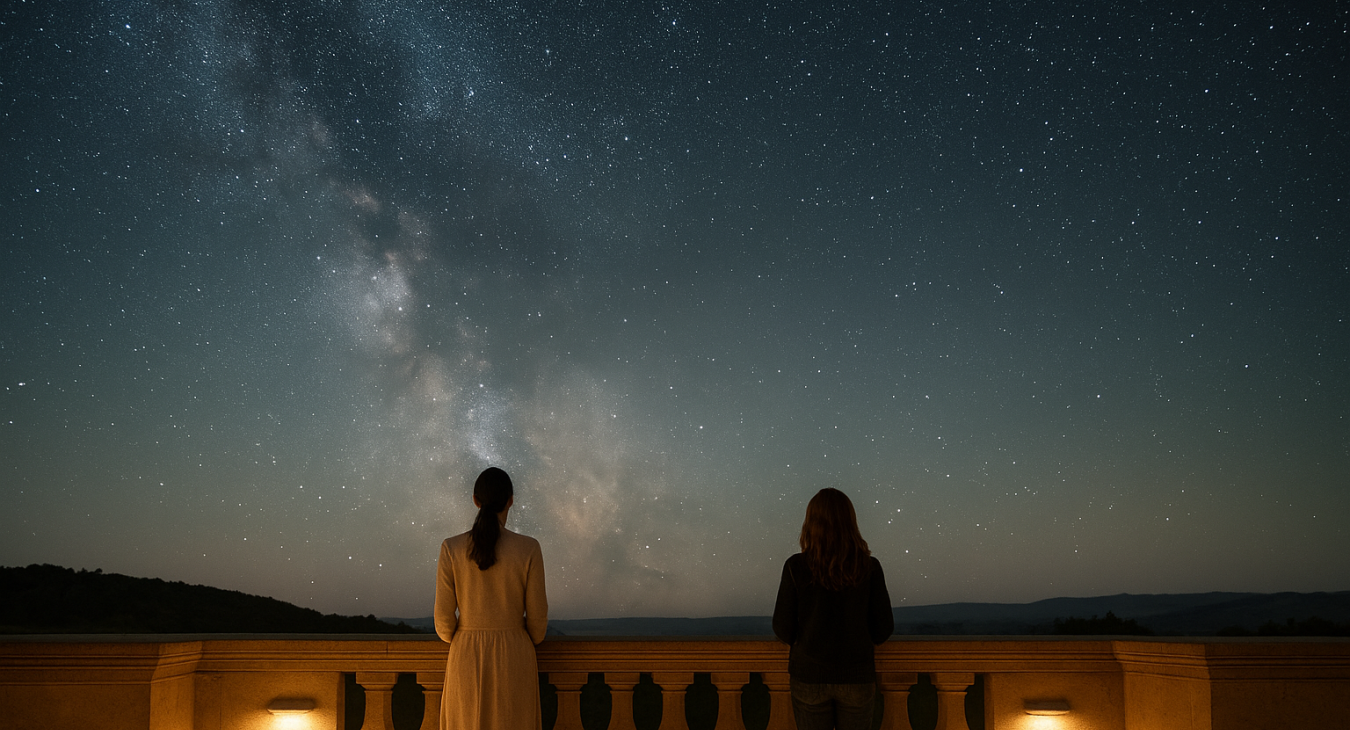
Photorealistic wide landscape of two women observing a brilliant starry night sky, with warm glowing architectural details in the foreground.

Light pollution is a growing concern for both humans and wildlife, impacting our ability to see the stars and disrupting natural cycles. By reducing light pollution, we can create a more harmonious environment for everyone.

The term light pollution refers to excessive or inappropriate use of artificial light at night. It affects everything from human health to animal behavior, making it essential to understand its consequences and find solutions.

Understanding the Impact on Wildlife

Many animals rely on natural cycles of light and darkness for navigation, hunting, and reproduction. Artificial lights can disrupt these patterns, leading to confusion and even death in some cases. For example, sea turtles may become disoriented by bright lights on beaches, making it difficult for them to reach the ocean.

Human Health Consequences

Light pollution also affects human health, impacting our sleep patterns and circadian rhythms. Exposure to artificial light at night can lead to insomnia, fatigue, and other related issues. By reducing unnecessary lights, we can improve our overall well-being.

Practical Solutions for Reducing Light Pollution

There are several ways to reduce light pollution in your community or home. One effective method is to use shielded lighting fixtures that direct light downwards rather than upwards into the sky. Another approach is to choose lights with warmer color temperatures, as these have less impact on wildlife and human health.

Community Involvement

Involving your community in reducing light pollution can make a significant difference. You can start by educating others about the issue and encouraging them to take action. Working together with local organizations or government agencies can help create a more sustainable environment for everyone.

Conclusion

By taking simple steps like using shielded lighting fixtures and choosing warmer color temperatures, we can reduce light pollution and create a better environment for both humans and wildlife. Let us work together to make our nights brighter with the stars rather than artificial lights.


Which light colors mess up the sleep of nocturnal animals?
How can smart lighting balance safety and light pollution?

Read more articles

The Night Sky Restored for Animals and Us
Newer
The Night Sky Restored for Animals and Us
Fewer Lamps = More Stars and Healthier Animals
Older
Fewer Lamps = More Stars and Healthier Animals
Editor

Related Subjects

The Convergence of Nature and Innovation
Connecting the Dots
AI, Free Will, and the Meaninglessness of Punishment in Machines
Combatting Bats Wisely
Understanding Bat Removal
Effective Bat Control
The Truth About Bat Removal
Debunking Myths
Why Bats Aren't a Nuisance
Effective Bat Control and Removal
  • Thinkiverse: Where Knowledge Intersects

    The Convergence of Nature and Innovation

    Jul 31, 2026
    Chief Editor
  • Thinkiverse: Where Knowledge Intersects

    Connecting the Dots

    Jul 31, 2026
    Chief Editor
  • Free will or deterministic paths

    AI, Free Will, and the Meaninglessness of Punishment in Machines

    Jul 31, 2026
    Editor
  • A diverse group of scientists in field gear using headlamps and binoculars to observe fruit bats in a lush, nocturnal tropical forest.

    Combatting Bats Wisely

    Jul 29, 2026
    Editor
Home
Thinkiverse
Where every subject connects

An overview of the frequently asked questions we try to answer on thinkiverse.dk

How does excluding radical opposition impact political agreements?

How to mitigate the skepticism tax on authentic eyewitness footage?

How will AI investment affect VC for non-AI startups?

How does status-seeking travel impact psychology vs social comparison?

Can 'move fast and break things' be adapted into Japanese corporate culture?

Popular Categories

Science
Technology
Psychology
Health
Politics
Artificial Intelligence
Security
Finance
Environment
Biology
Information Technology
Law
 
Copyright ©, thinkiverse.dk 2026

What is Thinkiverse.dk?

Terms of usage