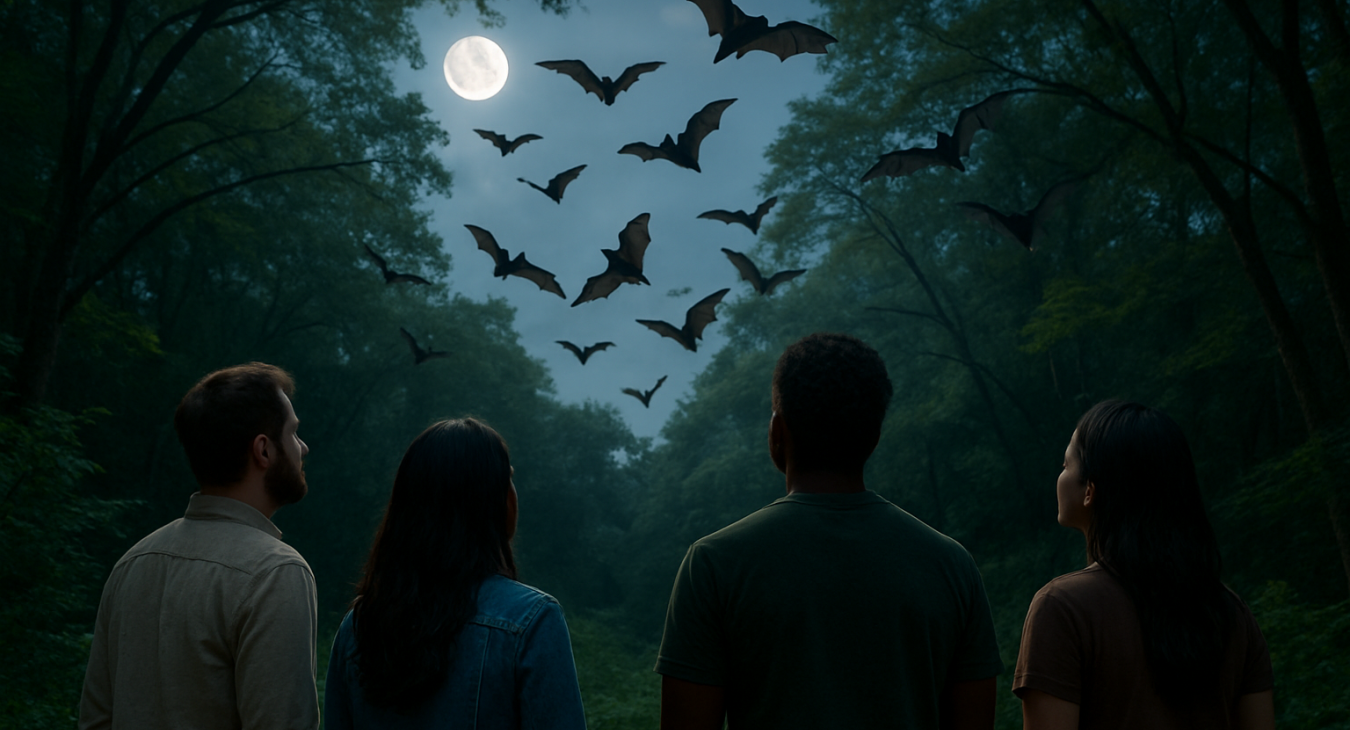
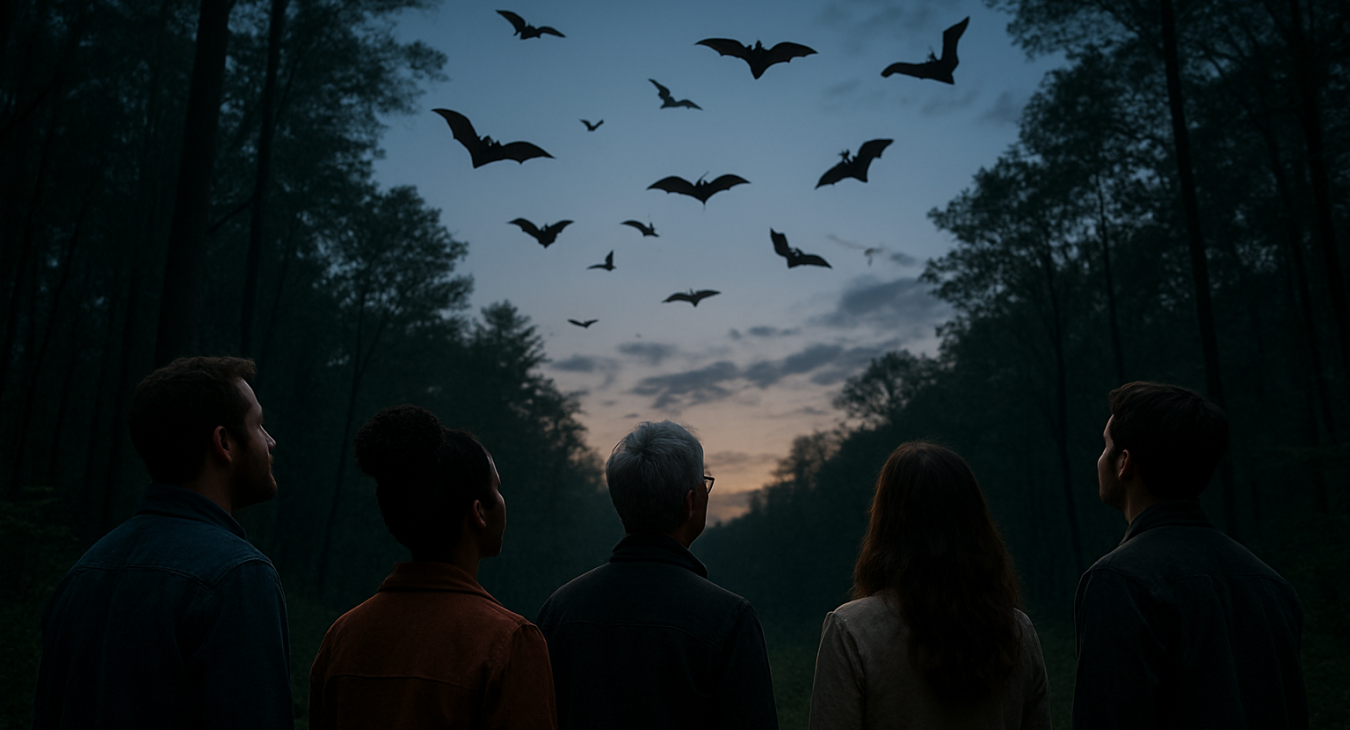
For centuries, humans have dominated the night sky with artificial light. This phenomenon, known as light pollution, has significantly altered our natural environment and impacted both wildlife and human well-being. The restoration of the night sky is a critical initiative aimed at reducing excessive lighting to preserve biodiversity and improve public health.
The Impact on Wildlife
Many animals rely on celestial cues for navigation, migration, and reproduction. For instance, sea turtles use the stars to find their way across oceans, while birds migrate using the magnetic field of the Earth and the position of the moon. Artificial light can disorient these species, leading to fatal consequences such as collisions with buildings or getting lost at sea.
Insects are also heavily affected by artificial light. Many nocturnal insects are attracted to lights, which can disrupt their feeding and mating behaviors. This disruption has a cascading effect on the food chain, impacting birds and bats that rely on these insects for food. The loss of biodiversity in insect populations is a significant concern for ecologists.
The Impact on Humans
Human health is also affected by light pollution. Exposure to artificial light at night can disrupt our circadian rhythms, which are essential for sleep and other biological processes. This disruption can lead to various health problems, including insomnia, obesity, and even increased risk of certain types of cancer.
The restoration of the night sky is not only about preserving wildlife but also about improving human well-being. By reducing artificial light at night, we can create a healthier environment for both animals and humans. This initiative aims to restore our connection with the natural world and provide us with opportunities to experience the beauty of the stars.
Practical Steps to Restore the Night Sky
There are several practical steps we can take to reduce light pollution and restore the night sky. One effective method is to use shielded lighting fixtures that direct light downward, preventing it from escaping into the atmosphere or onto neighboring properties.
Another important step is to choose appropriate lighting types and colors. Warm white lights are generally less disruptive than cool blue lights, which can have a more significant impact on wildlife and human health. Using motion sensors and timers can also help reduce unnecessary light at night.
n