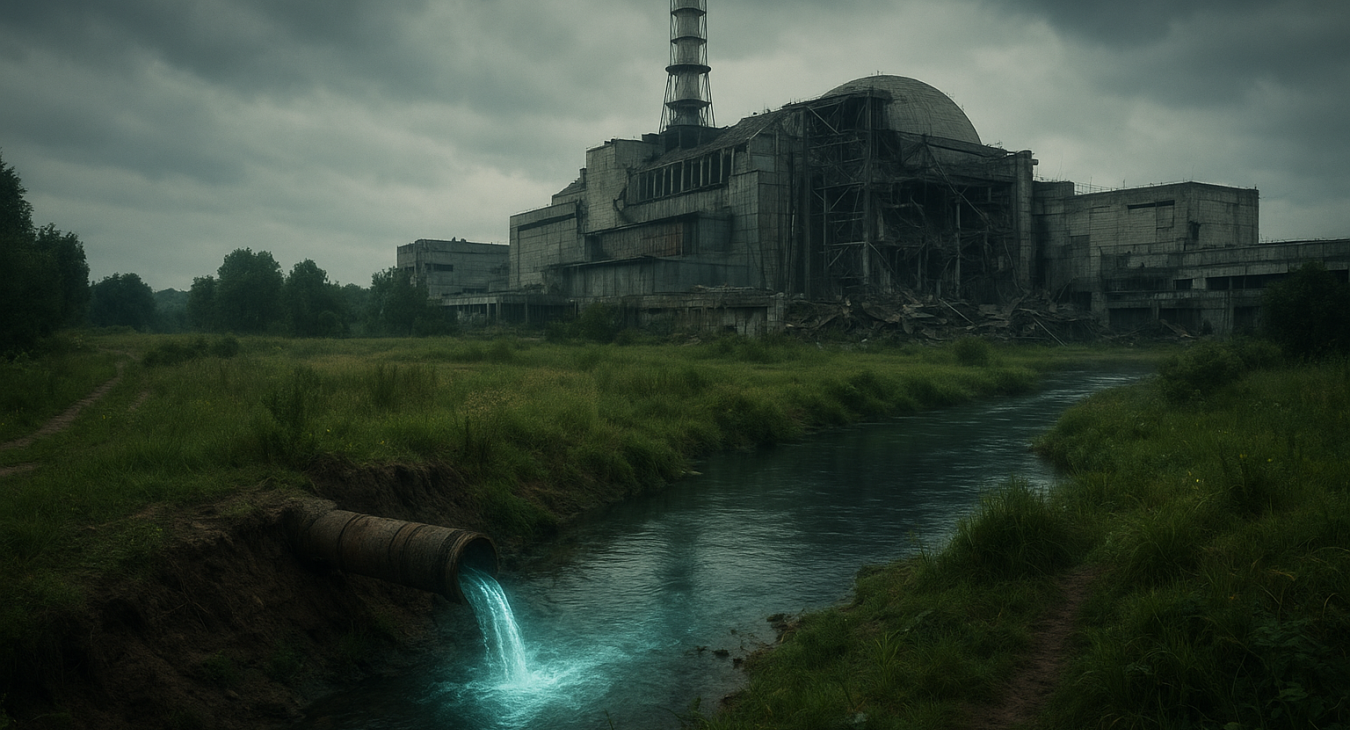
Nuclear power plants (NPPs) are complex facilities essential for modern life, supplying electricity to millions. However, when caught in active conflict zones, they present profound and long-lasting risks. Damage here can release radioactive material that affects people and environments far beyond the immediate battle lines.
The Nature of Long-Term Radiation Risks
The concern is not just from an immediate blast, but from diffuse contamination over decades. If components like spent fuel storage tanks are damaged, highly radioactive fission products (such as cesium and iodine) can seep into the soil and underground water. This contamination poses long-term risks to the local ecosystem, agriculture, and human health.
Unlike direct radiation poisoning, the insidious nature of this leak is difficult to control in time or space. Radioactive material can accumulate in the food chain—the flora and fauna—meaning that even years later, contaminated sources pose a persistent threat. Remediation of natural environments affected by such leaks is incredibly challenging, and sometimes impossible.
Personal Impact and Global Lessons
Historical events, notably the Chernobyl accident and the atomic bombings of Hiroshima and Nagasaki, underscore the global implications of nuclear fallout. Researchers continue to study these events, revealing ongoing questions about radiation risks in relation to human health, including potential effects on cancer susceptibility that may span generations.
The situation in places like Ukraine has highlighted this vulnerability. With such a highly developed energy infrastructure, military conflict poses numerous indirect dangers: disruption of water or electricity supplies, damage from shelling, or the operational impairment due to logistical failures or staff inability to reach the site. These incidents show how even robust facilities face immense strain when the rule of law breaks down.
Community Resilience and Global Cooperation
Despite these severe risks, international efforts exist to establish protective norms. Humanitarian laws affirm that such critical infrastructure deserves protection from attack. The international community, led by organizations like the International Atomic Energy Agency (IAEA), continually works to promote safe operation. The push for transparency and adherence to safety protocols remains crucial for mitigating harm when conflict threatens.
The journey toward nuclear stability requires a global conversation—one that addresses reliance on nuclear energy amid climate change concerns, while simultaneously strengthening protective measures against the inevitable unpredictability of war. Focus must remain on safeguarding both our essential energy supplies and the human populations they support.
Read more articles
- Log in to post comments