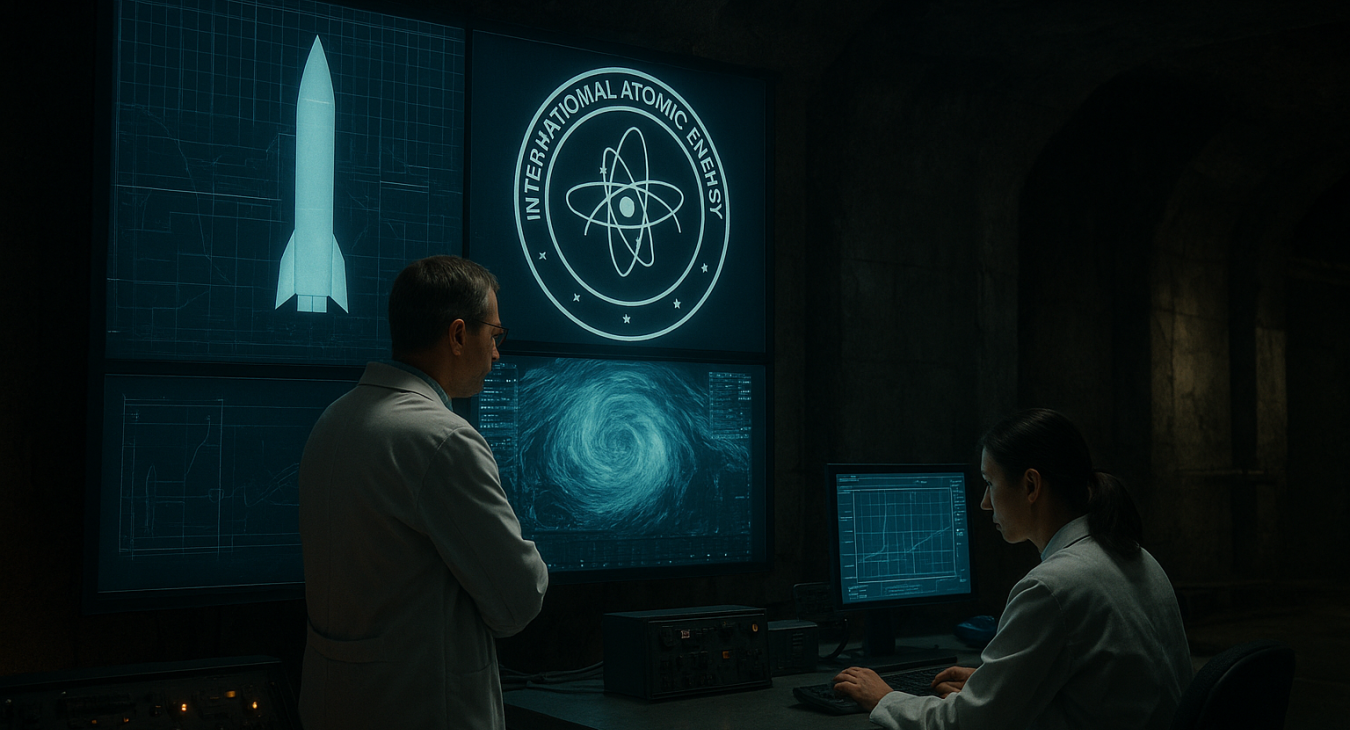
The discussion surrounding potential strikes on nuclear facilities—such as those in Iran—is highly complex, moving beyond mere reports of physical damage to consider profound technological, political, and environmental risks. Understanding these impacts requires grounding military analysis in deep scientific knowledge.
Infrastructure vs. Capability:
Military action, including advanced weaponry like the GBU-57 Massive Ordnance Penetrators or Tomahawk missiles, can certainly achieve physical destruction of equipment and surface facilities, as seen at locations like Natanz or Fordow. However, experts note that such strikes do not automatically equate to the complete elimination of a nation's knowledge base, dispersed materials, or the underlying strategic determination behind nuclear development. The true measure of success lies in whether these actions curb the proliferation threat from the source.
The Technical Nature of Risk:
A common misconception is that any strike automatically triggers a large-scale radiological disaster. In reality, modern nuclear sites are engineered with multiple sophisticated safety systems designed to shut down reactors and contain damage immediately following an incident. The risk is not defined by the initial missile impact but rather by which critical internal safety mechanisms fail due to external damage—whether those failures stem from loss of power, destroyed backup generators, or damaged control systems.
Core Concerns Regarding Fallout:
Should cooling systems be critically compromised, heat continues to build up within the reactor core through radioactive decay. This rising heat can lead to the accumulation of hydrogen gas and ultimately damage fuel rods, allowing radioactive materials (like long-lived isotopes) to potentially escape containment. Historical incidents, such as Chernobyl, demonstrate that a complete meltdown poses severe contamination risks across vast regions. The International Atomic Energy Agency (IAEA) plays a vital role in monitoring these situations, with its Incident and Emergency Centre serving as the global focal point for assessing potential impacts and coordinating international responses.
Monitoring and Containment Efforts:
Despite reported strikes targeting enriched facilities or research complexes (like those in Natanz or near Isfahan), international watchdogs have indicated no immediate, large-scale radiation leaks. The IAEA has stressed that verifying information with national authorities is the crucial first step in any emergency response. Furthermore, contamination risks extend beyond the blast site; if radioactive material were to enter marine environments, which are critical for global supplies like desalinated drinking water, the consequences could be far-reaching.
The Primacy of Diplomacy:
Ultimately, reports suggest that while physical destruction can cause immediate operational impediments, the lasting containment of nuclear proliferation hinges on more stable factors. This includes both the domestic political resolve of the involved state to curb its weapons trajectory and the ability of diplomatic efforts—backed by international safeguards—to truly reestablish comprehensive control.
Read more articles
- Log in to post comments