  • Dansk
  • English
Home
Thinkiverse
Where every subject connects
  • Front Page
  • Subjects
  • FAQ
  • Contact
  • Search

Breadcrumb

  1. Home

Journey to NGC 1275

Astronomy
Science
Technology
Biology
June 16, 2026
by Editor
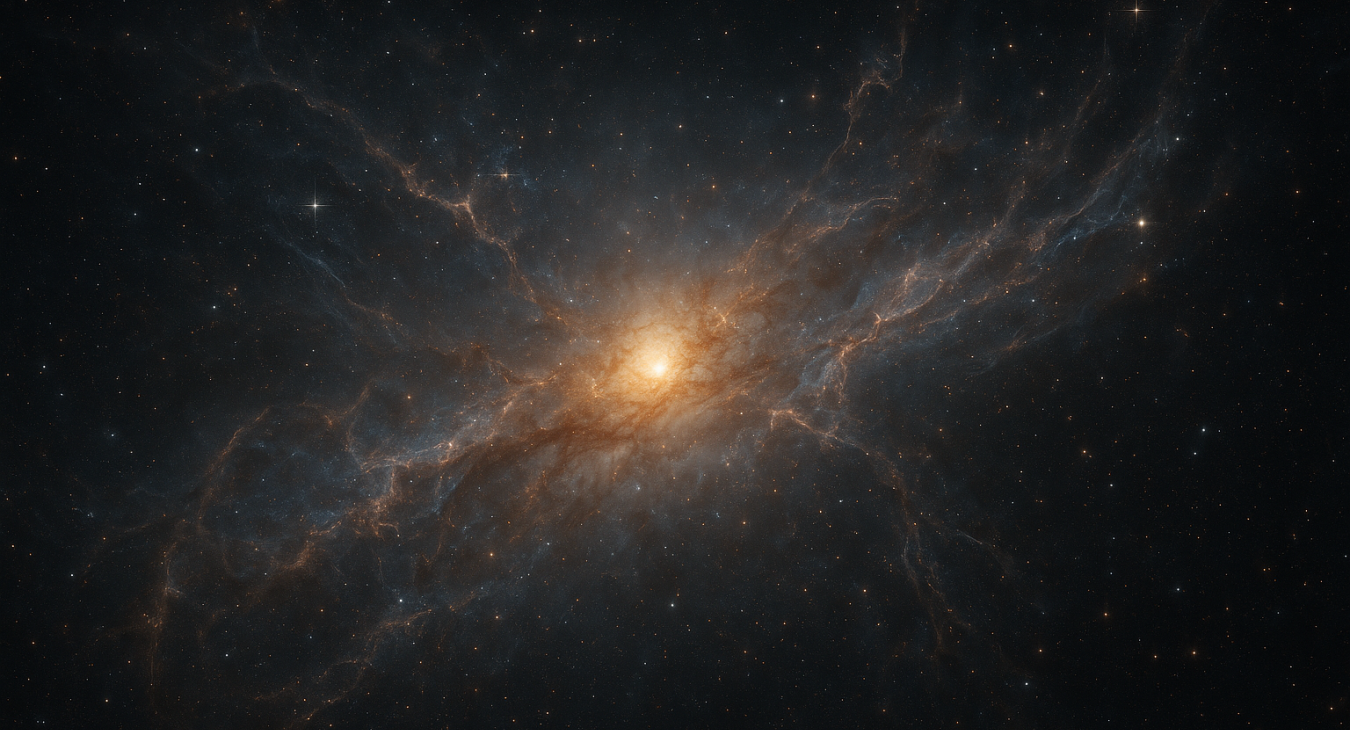
High-resolution photorealistic deep space image of NGC 1275 (Perseus A) with an immense core galaxy surrounded by vast ethereal gas filaments and structures, showing evidence of galactic collision.
Witnessing Cosmic Collisions and Galactic Grandeur

NGC 1275, often referred to as Perseus A or Caldwell 24, is not merely a spot on the deep-sky map—it is the spectacular heart of the immense Perseus Cluster. For any cosmic traveler (or armchair tourist), it represents one of the most breathtaking natural spectacles in the universe: a massive galaxy undergoing powerful interactions.

The Destination: A Feast for the Galactic Eye

Located approximately 225 million light-years away, NGC 1275 serves as the central dominant galaxy of the entire Perseus Cluster. What makes this location a must-see? It is visible evidence of cosmic drama playing out on an unimaginable scale. In visible light, the stunning appearance of NGC 1275 captures observers in what looks like a spectacular collision between galaxies and their surrounding material.

The defining feature that draws scientific interest—and tourist awe—are the brilliant gas filaments extending from the central galaxy. These massive structures are not random wisps; they are evidence of complex physics, resulting from powerful interactions within the cluster environment. Observing this system is akin to watching an epic cosmic fireworks show.

The Visitor Experience (Observing from Earth)

While physical travel is currently beyond our means, planning a 'trip' to NGC 1275 involves dedicating time to deep-sky observation. Telescopes and advanced imaging capture the true majesty of this site. Tourists are advised to seek out excellent dark-sky viewing locations that allow for maximum celestial viewing hours in the constellation Perseus.

Experts point out that NGC 1275 is classified as a type 1.5 Seyfert galaxy, indicating its active nature and powerful internal processes. This activity fuels the dramatic gas filaments we observe—a constant reminder of the immense power at work in cosmic evolution.

Beyond Sightseeing: Learning from Galactic Interactions

The attraction to NGC 1275 is not just its visual spectacle, but also what it teaches us about galactic physics. The cluster demonstrates how gravity, gas dynamics, and star formation interact over billions of years. Understanding these processes helps cosmic tourism centers build educational narratives that span eons.

If you could visit the Perseus Cluster today, the overwhelming feeling would be one of profound awe—standing before a masterpiece of gravitational forces. NGC 1275 stands ready as a permanent beacon of galactic grandeur, reminding us that even at unimaginable distances, nature’s spectacle remains unmatched.

How do gas filaments remain stable instead of dispersing?
How does NGC 1275's Seyfert 1.5 status affect its surrounding filaments?

Read more articles

Peering into the Cosmic Crown
Newer
Peering into the Cosmic Crown
Arp 220
Older
Arp 220
  • Log in to post comments
Editor

Related Subjects

The Alignment Problem
Smart Ways to Protect the Nighttime Darkness and Save Stars
The Dark Side of Light
The Vanishing Night
Tiny Night Hunters
Night Guardians
The Convergence of Nature and Innovation
Connecting the Dots
AI, Free Will, and the Meaninglessness of Punishment in Machines
The Hidden Cost of Biodiversity Loss
  • A photorealistic landscape of a diverse group of Somali men and women in a modern urban setting, gazing thoughtfully at glowing holographic digital symbols and encrypted data streams floating in the air.

    The Alignment Problem

    Sep 11, 2026
    Editor
  • Two women in professional roles examining shielded, downward-facing lights while looking up at a breathtakingly dark, starry sky at dusk, depicting community efforts to reduce light pollution.

    Smart Ways to Protect the Nighttime Darkness and Save Stars

    Sep 10, 2026
    Editor
  • A group of men and women stand on a shore, looking up at a vast, detailed starry sky over dark water, emphasizing existential scale.

    The Dark Side of Light

    Sep 09, 2026
    Editor
  • Small group of women with warmly lit faces gazing at a clear, pollution-free Milky Way over a coastal landscape at night.

    The Vanishing Night

    Sep 09, 2026
    Editor
Home
Thinkiverse
Where every subject connects

Frequently asked questions we try to answer on thinkiverse.dk

How are incidental loss and intentional targeting differentiated?

How to hide from drone sensors quickly?

How does frictionless design impact consumer autonomy?

How does the Danish Monarchy balance symbolism with egalitarianism?

What are the unmeasured long-term health effects in Gaza?

Popular Categories

Technology
Politics
Science
Psychology
Health
Law
Artificial Intelligence
Finance
Security
Environment
Biology
Sustainability
 
Copyright ©, thinkiverse.dk 2026

What is Thinkiverse.dk?

Terms of usage